
Last updated November 15, 2026
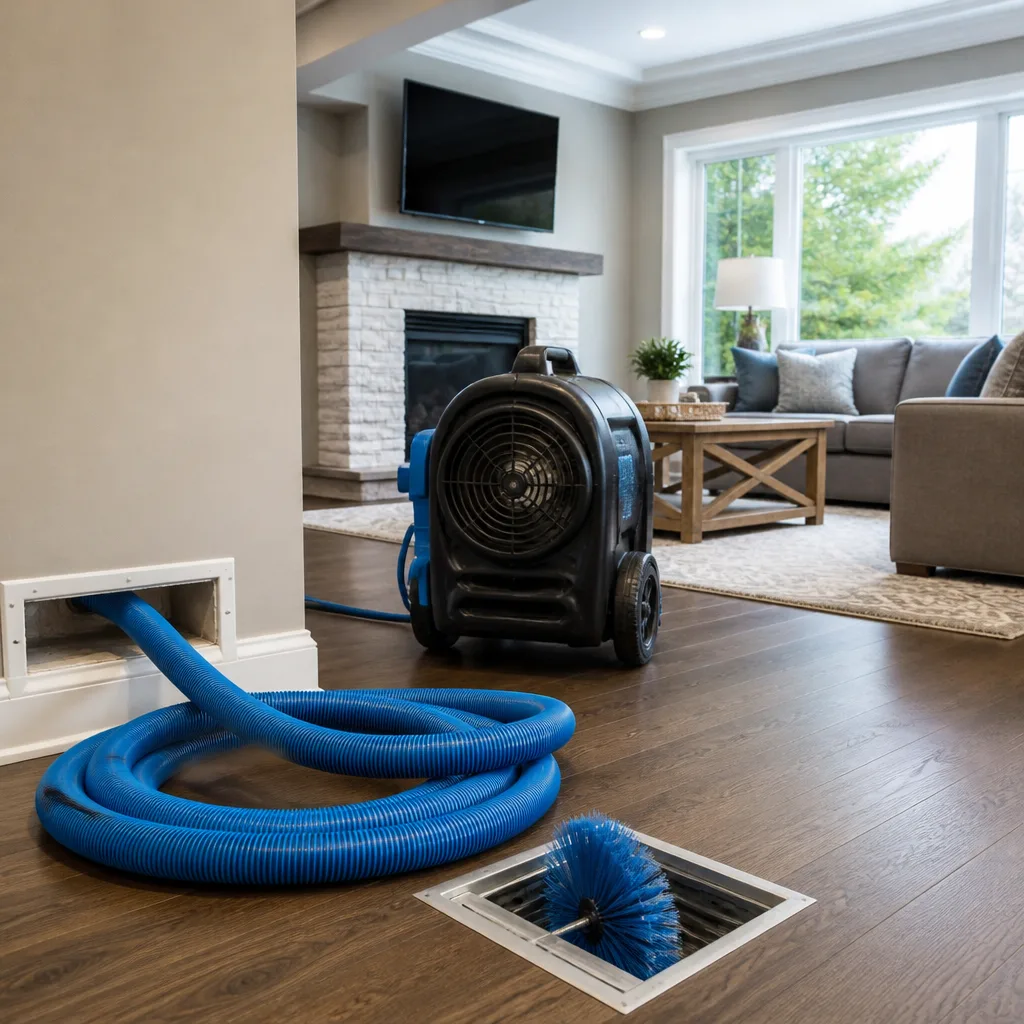 Whole-home duct cleaning
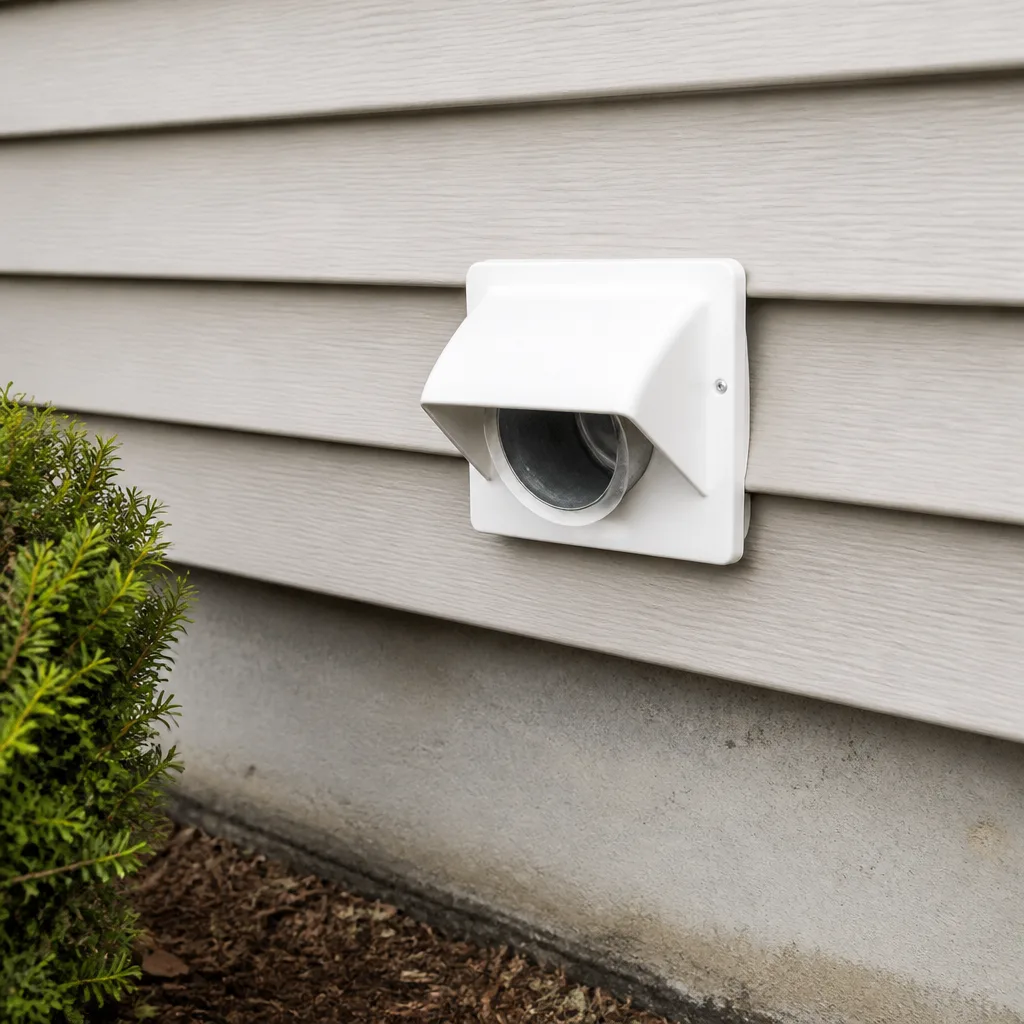 Dryer vent cleaning
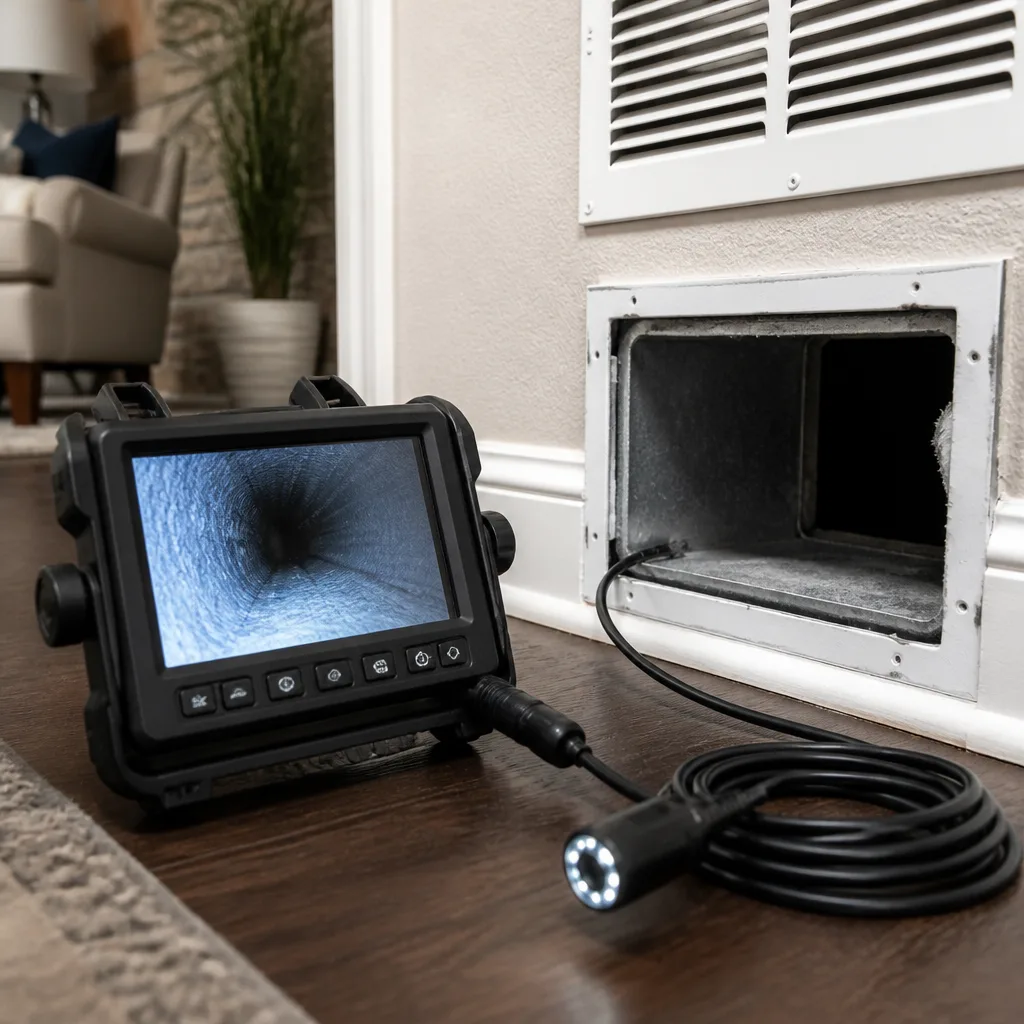 Camera inspection
 Sanitizing & deodorizing
Whole-system duct and dryer vent check with before-and-after photos - you see exactly what came out of your vents
That "$99 whole-house special" is a bait ad - the real number appears once they are in your hallway, or the "clean" is a shop-vac at the register. We photograph the inside of your ducts before and after instead.
How to Hire an Air Duct Cleaning Contractor in Richardson: A Step-by-Step Guide
Most homeowners in Richardson shop for duct cleaning the way they shop for a haircut: find the lowest advertised price, book it, done. That approach works fine for a haircut. For duct cleaning it’s how people end up paying far more than the ad promised, or paying a small amount for a service that never really happened. The $49 or $59 whole-house ad you see in the Dallas-Fort Worth market isn’t a price for cleaning your ducts. It’s a lead-generation tactic designed to get a technician through your door, where the real invoice gets built from add-ons you didn’t expect. The Federal Trade Commission has published consumer warnings about this exact pattern in the air duct cleaning industry, which tells you it isn’t rare.
What follows is the vetting framework we’d want a friend in Richardson to use: the questions to ask before booking, how to read a quote line by line, what NADCA membership actually confirms, and why the company you hire matters as much as the price. By the end you’ll be able to separate a specialist from a generalist in about five minutes on the phone.
Quick Answer
To hire an air duct cleaning contractor in Richardson, ask five things before booking: the specific equipment models they use, whether they inspect and quote before cleaning or after, whether the price is per system or per vent, what’s included and excluded in writing, and whether they can repair ductwork as well as clean it. A legitimate contractor inspects first, quotes a flat price for the whole system, and puts it in writing before any work starts. A $49 advertised price is a lead-generation hook, not a service price.
Styles & brands we work with
- Whole-home duct cleaning
- Dryer vent cleaning
- Camera inspection
- Sanitizing & deodorizing
Table of Contents
- Why the Bait-and-Switch Problem Is Worse in the DFW Metro
- The Five Questions to Ask Before You Book
- What NADCA Membership Verifies and What It Doesn’t
- How to Read a Duct Cleaning Quote Line by Line
- Specialist vs. Generalist: Why Equipment Matters
- The On-Site Inspection Protocol
- Why You Want Repair Capability, Not Just Cleaning
- The Dryer Vent Question Most Homeowners Forget
Why the Bait-and-Switch Problem Is Worse in the DFW Metro
A dense metro market with millions of single-family homes and a steady churn of new residents makes Richardson and the surrounding cities fertile ground for high-volume, low-price operators. The business model depends on volume: advertise a number low enough that a homeowner stops comparing, book dozens of appointments a day, and rely on the technician on site to convert a fraction of them into much larger invoices through “discoveries” made after arrival. Mold found in the plenum. A “sanitizing” treatment that wasn’t in the original conversation. An extra charge per vent beyond some arbitrary threshold. The ad price gets you a technician in the door. The invoice reflects everything else.
There’s a second reason this hits Richardson specifically: our housing stock spans decades. Older neighborhoods have ductwork that’s been added to, patched, or rerouted over multiple renovation cycles. Newer construction is more standardized but often runs flex duct with tighter tolerances. Either way, a technician who hasn’t looked at your system can’t know what it needs. That’s precisely why a per-vent phone quote is meaningless, and why an operator who quotes one without seeing the house has already told you something about how they work.
The FTC’s consumer guidance on duct cleaning is worth ten minutes of your time before you book anyone. It describes the same pattern we see repeatedly: advertised specials, an on-site upsell, and a homeowner left unsure whether the work was actually performed. The framework in this guide is built to sidestep every one of those steps. If you’re comparing us to other options, start with our duct cleaning in Richardson page to see how we describe the work, and use that same scrutiny on any contractor you’re evaluating.
The Five Questions to Ask Before You Book
This is the phone script. Ask these five questions before you schedule, and you’ll eliminate most of the bad actors in the market within a single call. A legitimate contractor answers all five directly and without hesitation. A high-pressure operator will deflect, pivot to a discount, or try to book you before you finish the list.
- What specific equipment will you use on my system? Not “professional equipment” – ask for brands and models. If the answer is vague, that’s the answer. Professional duct cleaning uses purpose-built machines: a rotary-brush system that agitates debris from the duct walls and a HEPA-rated vacuum in negative pressure to capture it. If the response mentions “a big shop vac” or “our truck-mounted unit” without specifics, ask them to name the brand.
- Do you inspect the system before quoting, or quote over the phone? A legitimate contractor inspects first. They walk the house, look at the air handler, count the returns, check the duct type, and identify any disconnected or damaged runs before a number leaves their mouth. A phone quote for a system they’ve never seen is a marketing number, not an estimate.
- Is the price flat per system or per vent? Per-vent pricing is where the bait-and-switch lives. A “base price” for six vents that becomes $45 more per additional vent is a pricing structure designed to grow. The price should be one flat figure for the whole system, agreed before work starts.
- What’s included, and what costs extra? Get this in writing. Sanitizing, dryer vent cleaning, air handler cleaning, and filter replacement are sometimes included and sometimes separate line items. There’s nothing wrong with add-ons, but they should be quoted in advance, not discovered mid-job.
- Can you repair ductwork, or only clean it? Ducts get disconnected, crushed, and torn. A cleaning-only contractor who finds a problem will either ignore it or subcontract the repair. A contractor with repair capability can address it on the same visit.
If you can get clean answers to all five, you’ve probably found a real operator. If you can’t, keep calling. For a deeper look at what our own process looks like, our air duct cleaning page walks through the equipment and the steps.
What NADCA Membership Verifies and What It Doesn’t
The National Air Duct Cleaners Association (NADCA) is the trade body most often cited in this industry, and its membership status and ACR (Air Systems Cleaning Specialist) certification are worth understanding – both what they confirm and where they stop short. A contractor who can point to NADCA membership is at least signaling that they’re aware of the industry’s published standards and have chosen to participate in a professional body. That’s a positive signal, and it should move a contractor up your list rather than off it.
What NADCA membership does not do is guarantee the quality of any given job. Membership is organizational; the technician who arrives at your house is a person with a particular skill set and a particular set of equipment, and whether that job is done thoroughly depends on the operator, the tools, and the process – not on a logo on a website.
What to take from NADCA membership:
- It’s a baseline, not a top mark. Membership signals awareness of industry standards and a commitment to participate in a professional community. It’s a data point, not a substitute for the five questions.
- ACR certification is more specific. If the individual technician holds ACR certification, that’s a stronger signal: it means someone in the company has been tested on the published cleaning standards.
- Verify, don’t assume. NADCA’s own directory lets you check membership status directly. Ask for the company name to search.
- Equipment still matters. A NADCA member using underpowered equipment will still do a shallow job. Ask about the machines regardless.
Verification of membership and equipment together is a stronger picture than either alone. A contractor who can answer both without hesitation is worth your time.
How to Read a Duct Cleaning Quote Line by Line
A quote from a legitimate contractor is a short document, and every line has a purpose. Here’s what a clean quote looks like, and what to watch for when the numbers don’t quite add up. The two most important things to check: total scope of work, and per-system versus per-vent pricing.
Lines that should appear in a professional quote:
- Flat price for the entire system. One number covering every supply and return run connected to the air handler. Not a “starting at” figure, not a per-vent price, not a base-plus-adders structure.
- Method and equipment named. The specific machines being used – rotary brush agitation, HEPA-rated vacuum, containment/filtration if the job warrants it. If the quote doesn’t name the equipment, the quote is incomplete.
- Scope of the air handler and plenum. These are the components that feed the whole system, and they should be explicitly in or out. A $99 “vent cleaning” that excludes the air handler is a partial cleaning.
- Dryer vent as a separate line, or confirmed excluded. The dryer vent is a distinct safety issue (more on that below). It shouldn’t be bundled into a duct cleaning quote silently – either it’s a named line item or it’s not part of the job.
- Before-and-after documentation. Photos of your own ducts, taken before and after cleaning. This is the single most useful thing a contractor can provide, because it answers “did the work actually happen?” with evidence rather than assurance.
- Written confirmation of final price. The number in the quote is the number on the invoice. If anything changes during the job, it changes by written agreement before work continues.
Lines that should make you pause:
- Advertised prices in the tens of dollars for an entire house, with no on-site inspection.
- Per-vent pricing that grows with every additional run.
- Charges for “sanitizing” or “anti-microbial treatment” presented after the work begins rather than as an itemized option in the original quote.
- Any line requiring signature before the technician has inspected the system.
For reference, our own quotes are built this way: flat per-system price agreed in advance, before-and-after photos of your own ducts, and a written estimate that governs the final invoice.
Specialist vs. Generalist: Why Equipment Matters
Many multi-trade HVAC companies offer duct cleaning as one line among many: installation, repair, maintenance, thermostat work, and yes, cleaning. That diversification has an economic logic on their side, but the equipment question exposes a real difference. Duct cleaning done properly requires a specific machine: a high-torque rotary brush system that scours duct walls, and a high-capacity HEPA vacuum maintaining negative pressure on the system so the debris removed from the walls is captured, not redistributed into the house. A shop vacuum and a hose is not that machine.
The difference is measurable in cleaning depth. Rotary brush systems agitate debris at the duct wall, where dust, biological growth, and settled particulate actually accumulate. A vacuum alone removes what’s loose in the plenum but leaves material on the walls. In Richardson’s mild climate, ducts run year-round, and particulate that stays on the walls stays in the airstream. The unit runs, the particles lift, and the indoor air quality stays exactly where it was.
Our own equipment choices reflect this:
- Rotobrush rotary-brush system on every air duct cleaning job. It’s purpose-built for the task, not repurposed from another trade.
- Nikro HEPA-rated vacuum equipment to capture particulate during the cleaning. HEPA-rated means the exhausted air passes through filters capable of trapping fine particulate, not just large debris.
- Abatement Technologies filtration deployed during service in situations where additional containment protects indoor air while work is underway – the same category of equipment used in professional air quality remediation.
- Honeywell and Aprilaire air quality products for filtration upgrades, if the homeowner wants the filtration side of the system addressed at the same visit.
You don’t need to hire us to benefit from this section. Ask any contractor you’re considering to name the machines. If the answer is “our professional equipment,” ask follow-up: brand names, model family, brush type. An operator who cleans ducts every day knows their equipment. An operator for whom cleaning is a sideline usually doesn’t.
The On-Site Inspection Protocol
One of the cleanest tells between a real contractor and a lead-generation operation is sequencing: does the inspection come before the quote or after? A legitimate contractor inspects first, quotes second. An operation built around an advertised price quotes first and inspects after – and after arrival, “discoveries” justify the larger invoice.
Here’s what a proper inspection involves at your house:
- The air handler and plenum get opened. This is where the unit connects to the duct system, and it’s the first place to look for dust build-up, biological growth, or filtration problems. If a contractor won’t open the air handler, they’re not inspecting the system.
- Supply and return registers get counted and checked. The quote depends on the actual number of runs. Counting them is a five-minute task and prevents “surprise” vent charges on the invoice.
- Duct type gets identified. Flex duct, rigid metal, and fiberglass-lined duct all require different handling. A contractor who doesn’t check the type isn’t planning the cleaning.
- Any disconnected or crushed runs get flagged. Ductwork gets damaged during renovations and pest work more often than homeowners realize. A disconnected run means the system is pulling air from the attic or crawl space instead of the duct, which is a cleaning-plus-repair issue. It should be flagged in the quote, not discovered mid-job.
- A pressure test or airflow check may be performed. Not every job requires it, but where airflow is uneven, the inspection should identify why – not just quote the cleaning.
- The written quote follows the inspection. Not before. The number arrives after the technician has seen the system.
If you’re in one of Richardson’s older neighborhoods where ductwork has been patched over multiple renovations, this inspection matters even more. Call (877) 741-8677 to schedule an inspection. We answer 24/7. Fast dispatch from 7am to 7pm, Sunday through Friday.
Why You Want Repair Capability, Not Just Cleaning
Most duct cleaning contractors only clean. If the inspection finds a disconnected run, a crushed flex joint, or a torn duct, their options are limited: clean around it, ignore it, or subcontract the repair. That last option adds cost and delays, and it means the person repairing your ductwork isn’t the person who just cleaned it – which affects quality control.
Air duct repair is a distinct capability. It includes:
- Reconnecting disconnected runs. Ductwork separated at a joint pulls air from wherever it’s sitting rather than from inside the duct. Reconnecting requires proper mastic, mechanical fasteners, and confirming the run is airtight.
- Sealing leaks at joints and seams. Leaky ducts waste conditioned air and pull unfiltered air into the system. Sealing restores both efficiency and air quality.
- Patching or replacing torn flex and damaged rigid sections. Where the duct wall is compromised, cleaning alone won’t restore it – the damaged section needs repair or replacement.
- Restoring insulation and duct wrap. Where the duct’s insulation has failed, restoring it matters for both efficiency and condensation control.
If the cleaning contractor you’re considering can’t repair, that’s fine as long as the inspection identifies problems clearly and you can engage a repair specialist separately. What matters is that the problems get found. What should make you pause is a contractor who cleans a system, finds a disconnection, and proceeds without mentioning it – because the cleaning no longer means much if the system pulls air from the attic.
Our own workflow includes repair on staff, not subcontracted, which is why we describe the job as “we clean it, we can fix it.” For a system that’s had shortcuts taken in the past, that matters. You can read more about how we handle the fuller side of the work on our dryer vent cleaning page – the repair-and-safety mindset is the same whether the duct is carrying air or lint.
The Dryer Vent Question Most Homeowners Forget
Dryer vent cleaning is a safety service, not a maintenance convenience. The lint that accumulates in a dryer vent is highly combustible, and a clogged vent forces the dryer to work harder – raising the exhaust temperature and putting the lint accumulation closer to its ignition point. Every year, dryer fires cause property damage and loss of life across the country, and clogged vents are one of the most common contributing factors. A cleaning contractor who treats the dryer vent as an afterthought upsell is not treating it as what it is.
Ask any duct cleaning contractor you’re evaluating how they handle dryer vents. The good answers:
- It’s a named, separate service line. Not bundled into the duct cleaning silently, not sold as a $20 add-on at the end of a job.
- The technician cleans the full vent run – from the dryer connection through to the exterior termination – not just the immediate area behind the dryer.
- The exterior termination gets checked. A flap that doesn’t open, or a screen with lint packed into it, restricts airflow. The exterior end of the run is where many vent problems are discovered.
- The technician can recognize warning signs of duct problems. Crushed or extended flex vent, improper termination, or a run that’s exceeded safe length. Those are repair issues that affect fire risk, not just airflow.
- They recommend a schedule, not a one-time sale. How often depends on the household – a family running several loads a week is different from a single occupant running one. Most homes benefit from an inspection at least annually.
If your duct cleaning contractor can’t answer the dryer vent question clearly, that tells you something about how they think about the whole air-and-exhaust system in your home. For more on the Richardson area, our Richardson page is where we keep the local notes.
Common Mistakes to Avoid
- Booking on the advertised price alone. A $49 or $59 whole-house ad isn’t a service price – it’s a lead-generation hook designed to get a technician on site, where the real invoice gets assembled. Treat any price that low as a signal to keep calling rather than a reason to book.
- Accepting a quote over the phone without inspection. A contractor who hasn’t seen your system can’t quote it accurately. A phone quote is a marketing number, and the invoice that follows is usually a very different figure. Insist on inspection first.
- Not asking for the equipment by name. “Professional equipment” is a phrase, not a machine. Ask for brand names and specific equipment categories – a rotary brush system and a HEPA-rated vacuum are different tools from a shop vac and a hose, and the cleaning depth reflects that.
- Getting per-vent pricing. Per-vent quotes are structured to grow. The quote should be one flat price for the whole system, agreed in writing before the work starts.
- Skipping the dryer vent. The dryer vent is a fire-safety consideration, not a minor maintenance item. If a contractor treats it as an afterthought – or offers to clean it for a token amount at the end of the job – assume the cleaning will be equally shallow.
- Not asking for before-and-after photos. “Work was completed” is an assurance. Before-and-after photos of your own ducts are evidence. Ask for them, and expect them.
- Ignoring Richardson’s renovation history. Many homes here have had ductwork modified across multiple renovation cycles. A contractor who skips inspecting the whole system can miss disconnected or crushed runs that make the cleaning much less effective than it looks.
See the difference
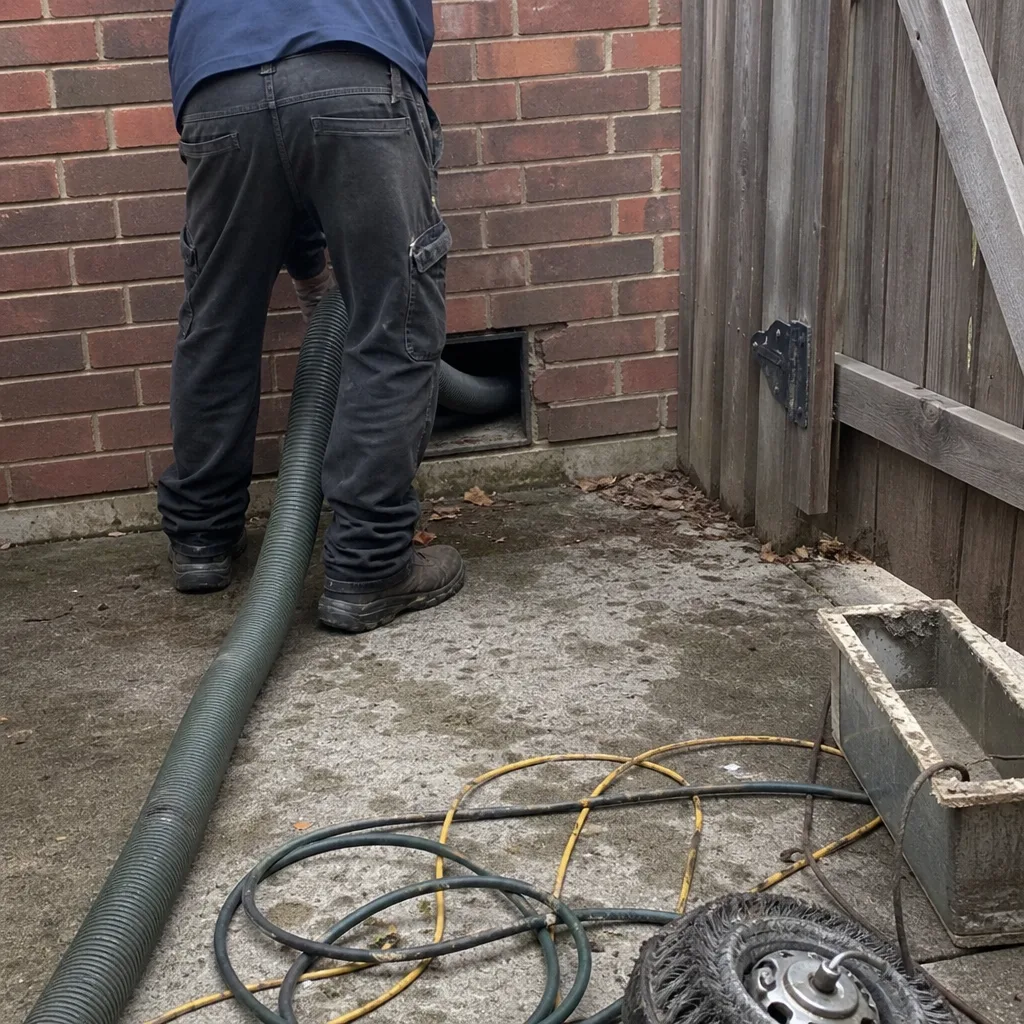 Before
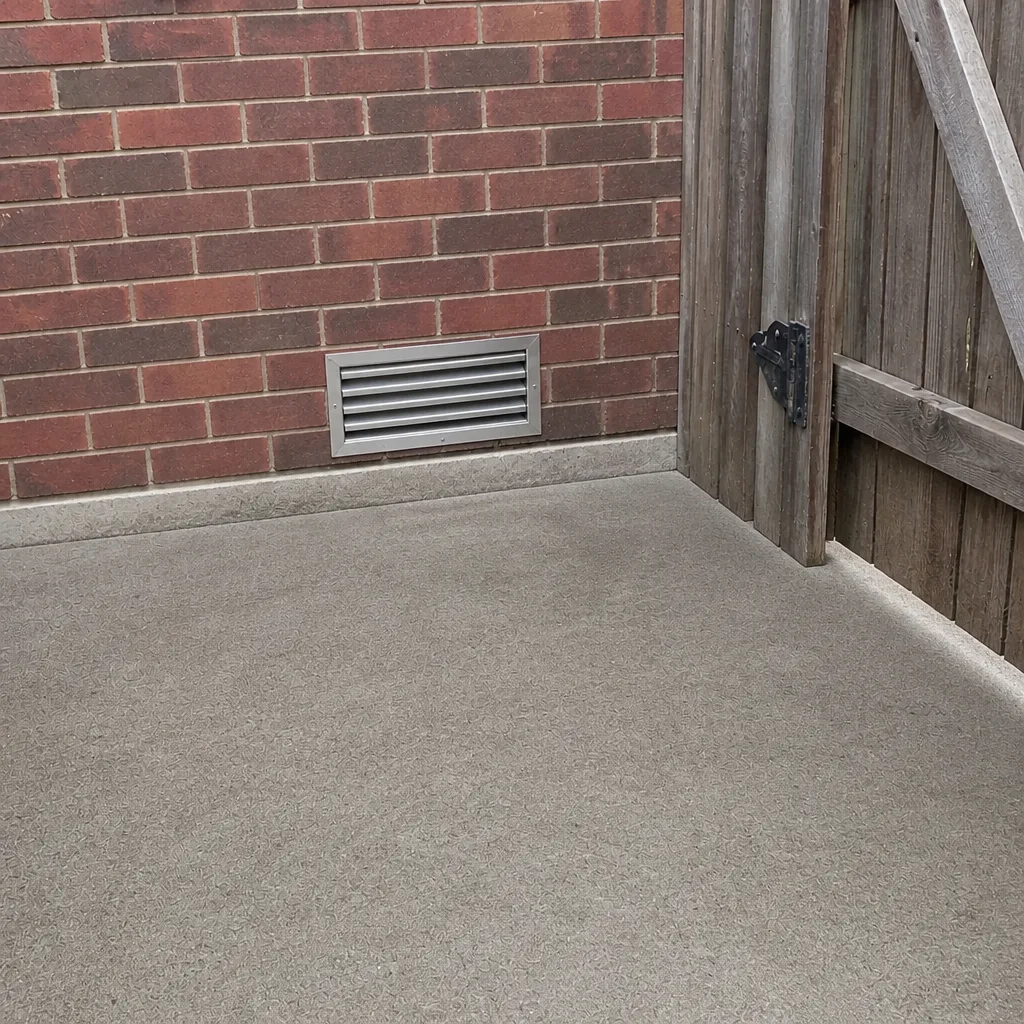 After
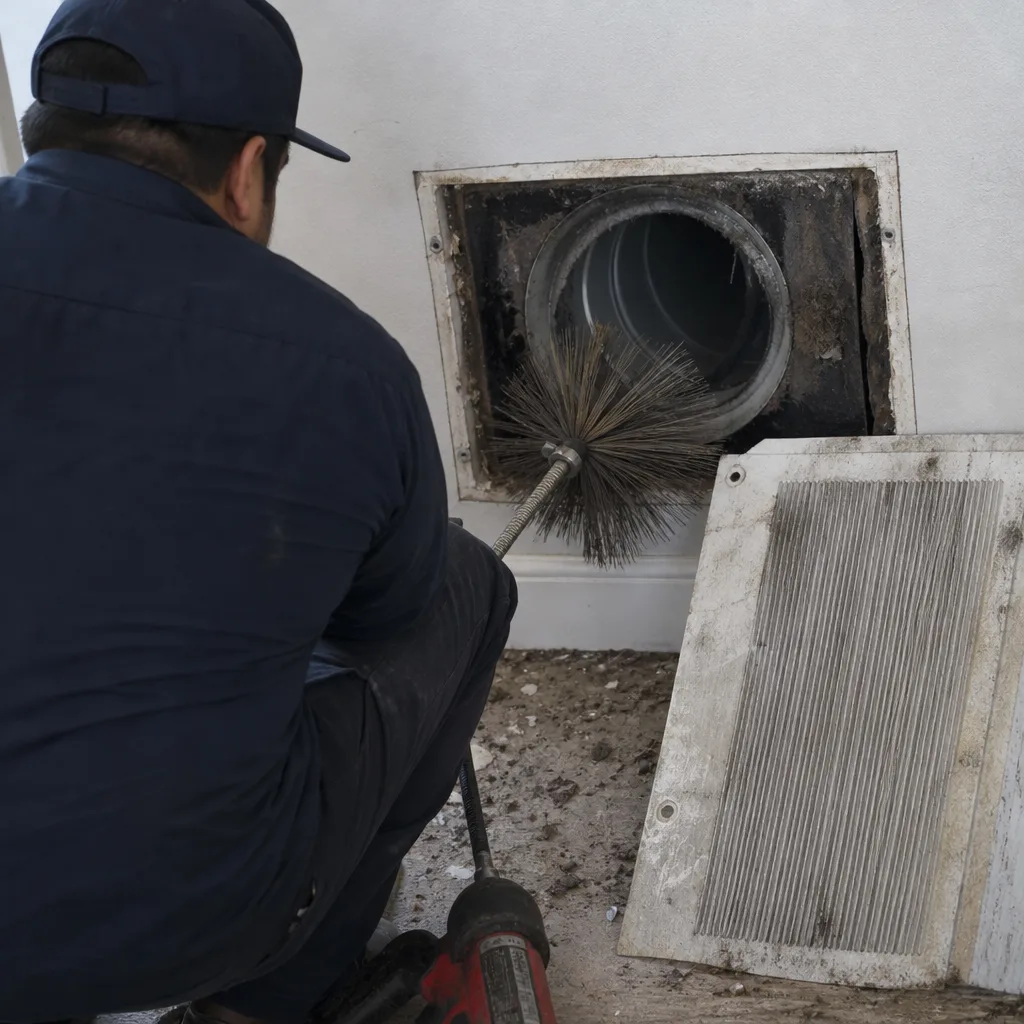 Before
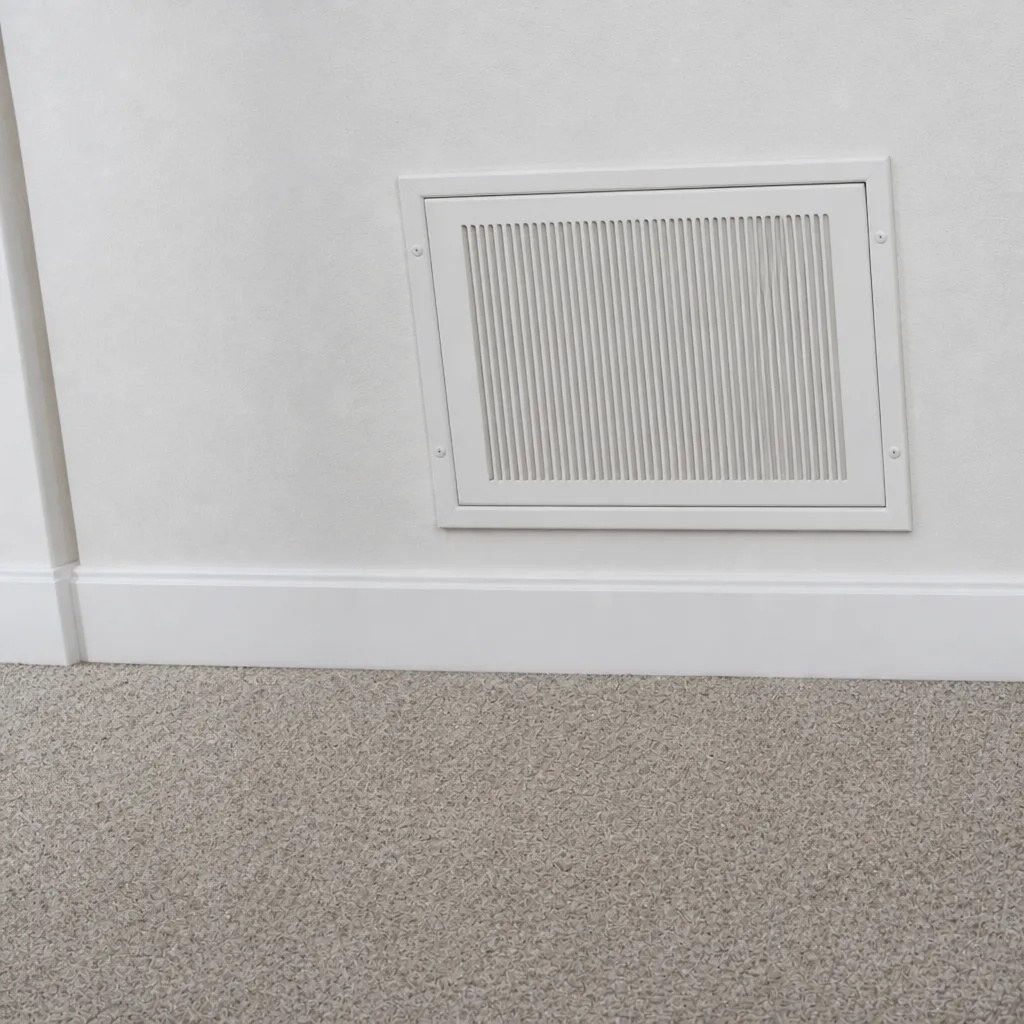 After
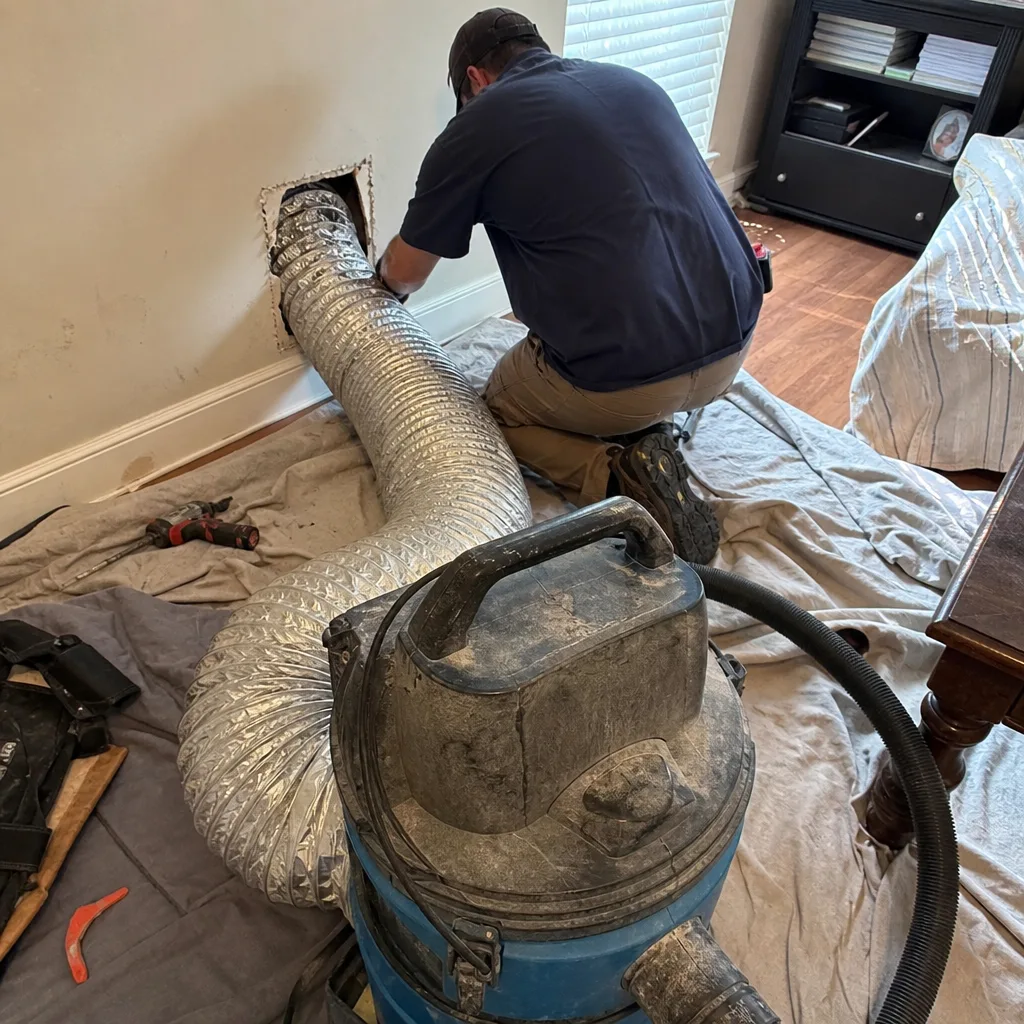 Before
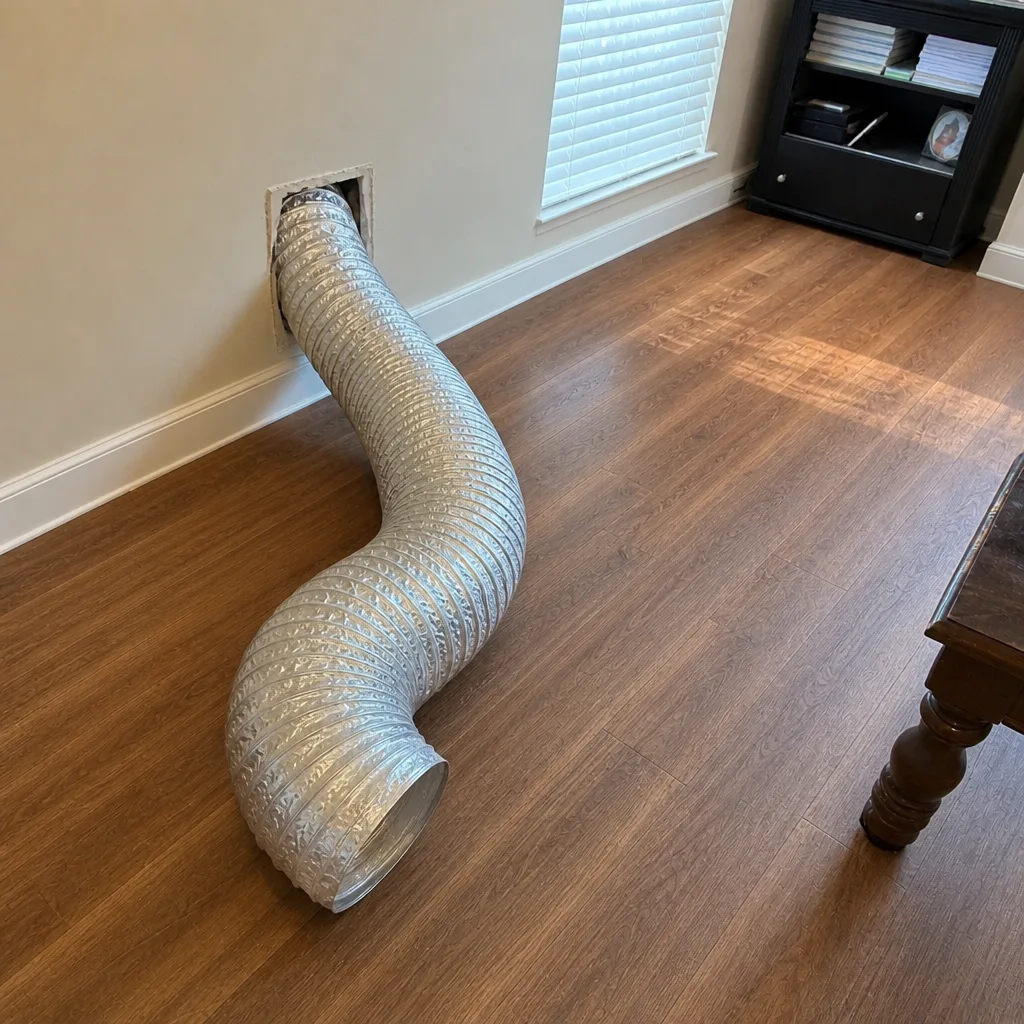 After
When to Call a Professional
You should call a professional when the signs point to a system-level problem rather than a surface one. Visible dust blowing from the registers, musty odors when the system runs, allergy symptoms that flare indoors more than outdoors, a system that’s never been cleaned, or noticeably uneven airflow from room to room all indicate that the ductwork needs to be evaluated. The dryer vent deserves its own call: if your dryer runs longer than it used to, feels hot to the touch, or the laundry room has a musty or lint smell, get the vent checked. Duct cleaning in Richardson is not something to put off when those signs are present, because the fix is straightforward once the problem is identified.
Duct Cleaning Richardson offers free estimates in Richardson. Call (877) 741-8677. We answer 24/7. Fast dispatch from 7am to 7pm, Sunday through Friday.
Frequently Asked Questions
Ask for equipment brand names, confirm they inspect before quoting, confirm the price is per-system rather than per-vent, and ask for before-and-after photos of your own ducts as part of the job. A contractor who answers all four without hesitation is a legitimate operator. A contractor who deflects on equipment or prices per-vent is a warning sign. Call (877) 741-8677 for a free estimate – we’re happy to walk you through our own answers to those four questions.
A real quote lists a flat price for the whole system including the air handler and plenum, names the specific equipment being used, itemizes any add-ons like dryer vent cleaning, and confirms the price is final. The written estimate sets the final price; that’s the structure every quote should follow. Call (877) 741-8677 for a free quote structured that way.
Yes. A price in the tens of dollars for a whole-house duct cleaning is a lead-generation tactic, not a service price. The Federal Trade Commission has specifically warned consumers about this pattern in the air duct cleaning industry. The technician arrives, finds “issues” in the air handler or plenum, and the final invoice is far higher than the ad. Ask for the total cost in writing before booking – and call (877) 741-8677 if you want an honest flat quote.
NADCA membership confirms that a contractor has joined the industry’s main professional body and is aware of published cleaning standards. It does not guarantee the quality of any particular job, since the technicians who do the work and the equipment they use determine that. Use membership as one data point, not a substitute for asking the five questions. Call (877) 741-8677 to talk through our own process.
Most homes benefit from duct inspection every few years, and cleaning is warranted when the inspection finds significant accumulation, damage, or contamination. Homes with pets, recent renovations, or occupants with allergies tend to need service more often. Dryer vents deserve an annual check regardless. Call (877) 741-8677 to schedule an inspection and we’ll tell you what yours actually needs.
Properly performed cleaning doesn’t damage a duct system when the contractor uses the right equipment for the duct type – which is why the inspection comes before the quote. If the inspection finds crushed or disconnected ducts, they should be repaired. Our own staff handles repair as well as cleaning, so it’s “we clean it, we can fix it” rather than a referral. Call (877) 741-8677 for a free estimate.
The Bottom Line
The framework in this guide comes down to a few principles. A real contractor inspects before quoting, and quotes a flat price for the whole system rather than a per-vent structure. They name their equipment specifically – rotary brush, HEPA vacuum – because those tools define cleaning depth and shop vacs aren’t a substitute. They treat the dryer vent as a safety service, not an upsell. And they document the work with before-and-after photos of your own ducts rather than assurances. On the marketing side, an advertised price in the tens of dollars is a lead-generation tactic, not a service price – treat it accordingly. Air duct repair capability is worth checking as well, since ducts get damaged and cleaned systems only mean something when the ductwork is intact.
If you have questions about your own system, Duct Cleaning Richardson is here to answer them without pressure. Our technicians have up to 15 years of experience, and we’re licensed and insured. Call (877) 741-8677 for a free estimate. We answer 24/7. Fast dispatch from 7am to 7pm, Sunday through Friday.
Written by the team at Duct Cleaning Richardson.