
Last updated November 15, 2026
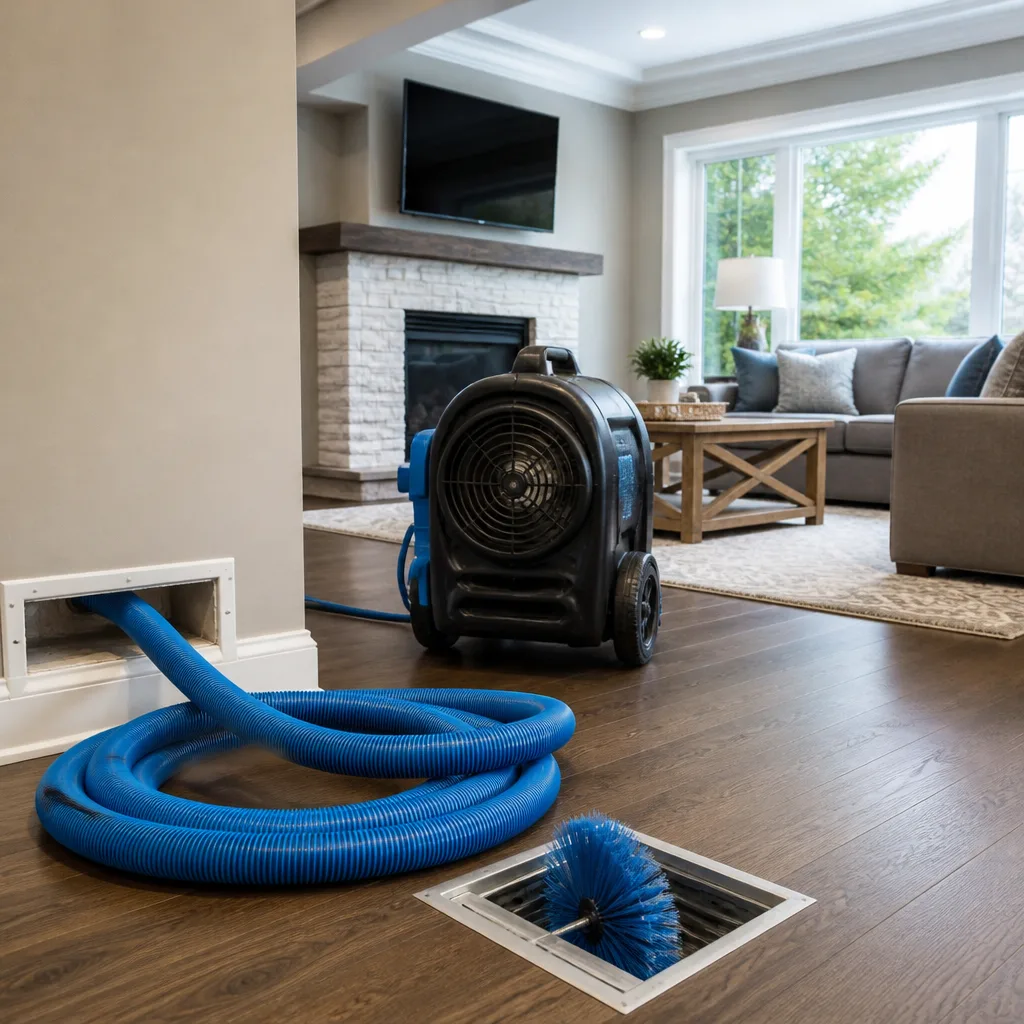 Whole-home duct cleaning
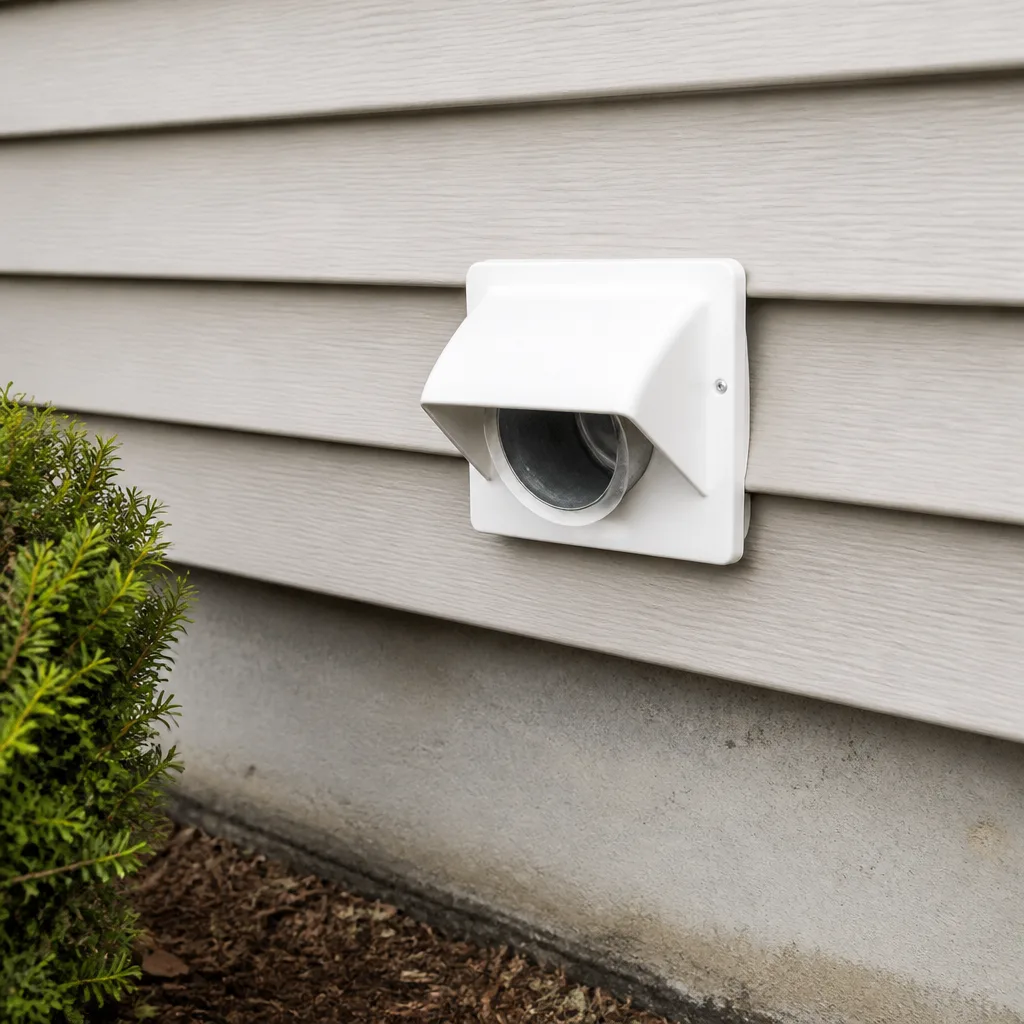 Dryer vent cleaning
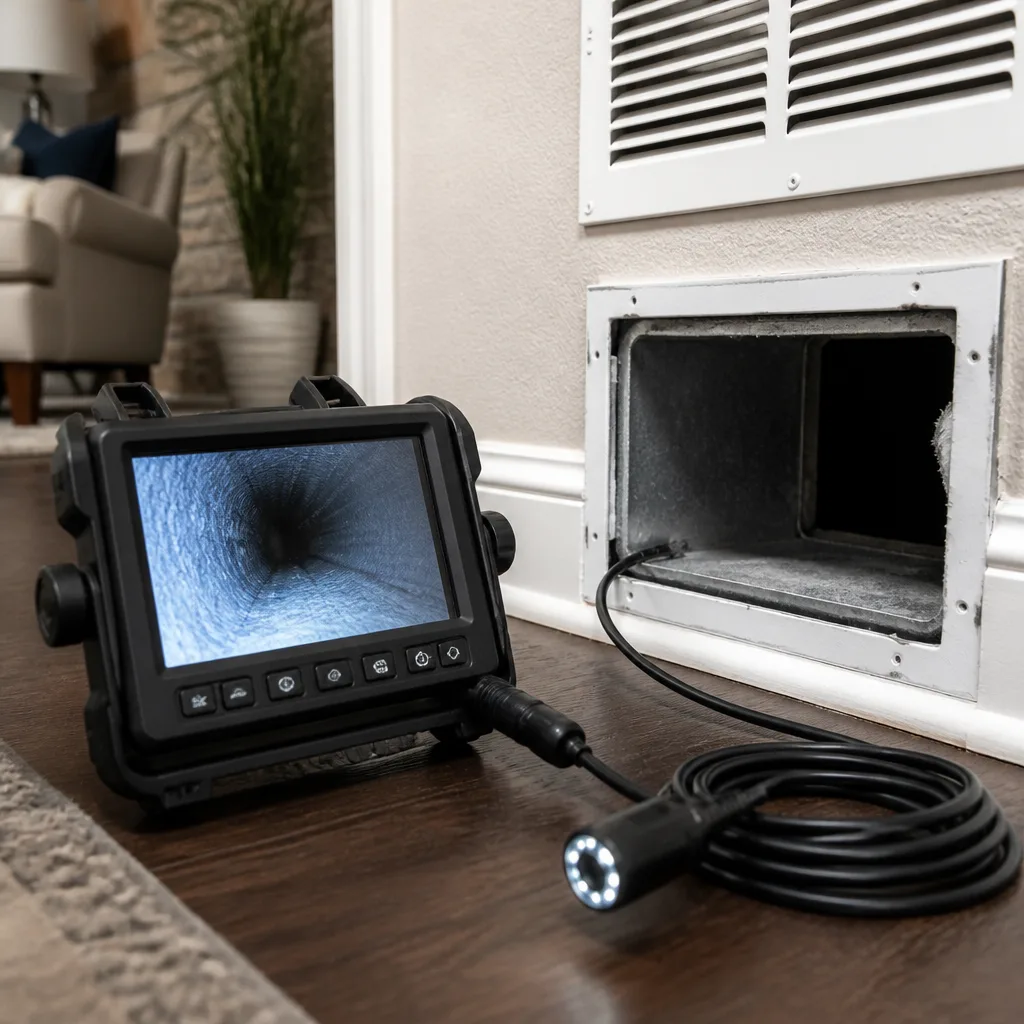 Camera inspection
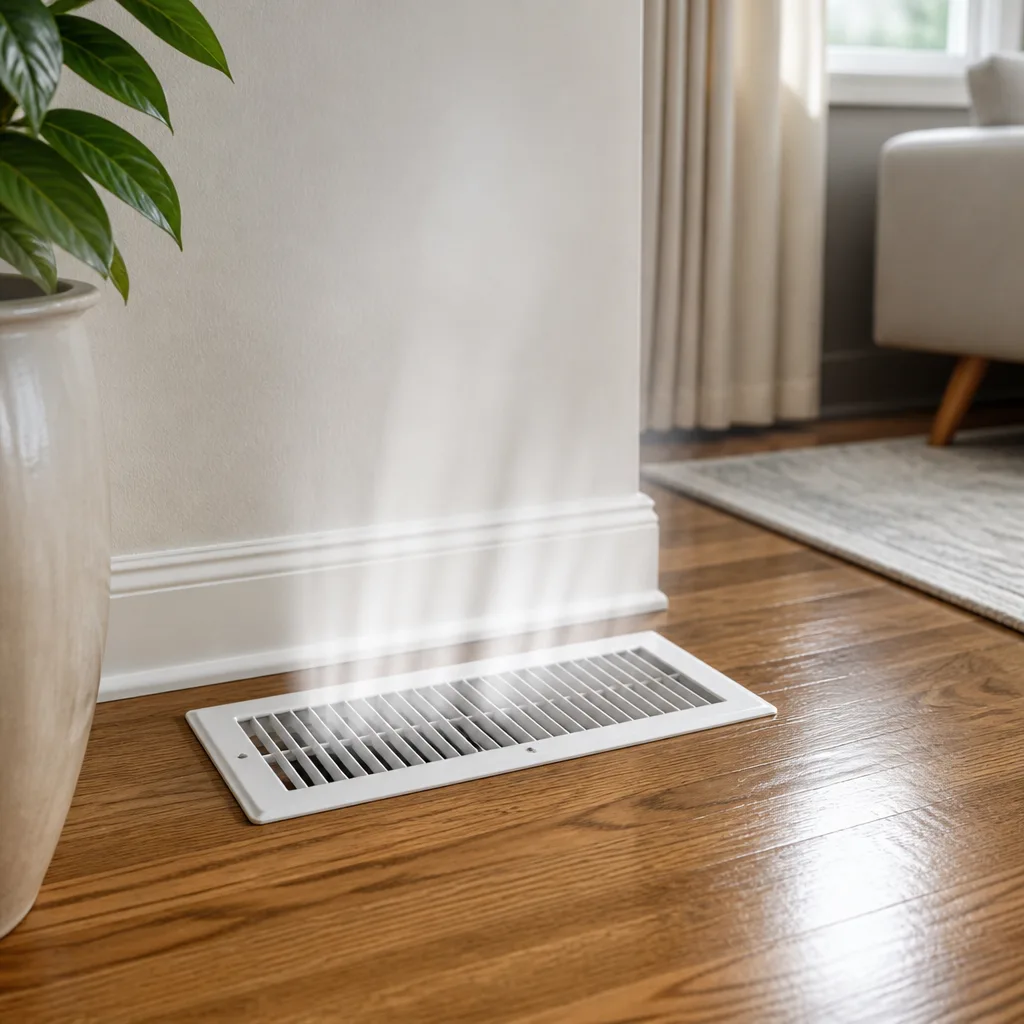 Sanitizing & deodorizing
Whole-system duct and dryer vent check with before-and-after photos - you see exactly what came out of your vents
That "$99 whole-house special" is a bait ad - the real number appears once they are in your hallway, or the "clean" is a shop-vac at the register. We photograph the inside of your ducts before and after instead.
Seasonal Air Duct Cleaning Care for Richardson: Year-Round Homeowner’s Guide
Most homeowners in Richardson schedule duct cleaning once a year and assume that covers it. It doesn’t, and the calendar is the reason. Mountain cedar pollen hits North Texas in January and February, which is precisely when most people think their ducts are still clean from a fall service. By the time the cough and the itchy eyes show up, the heaviest contaminant load of the year is already sitting in the supply registers. This guide breaks the year into the four phases our climate actually creates, explains what happens inside your ductwork in each one, and shows you how to build a two-year maintenance schedule around the real pollen and humidity calendar instead of a generic anniversary date.
Quick Answer
Air ducts in Richardson should be cleaned according to the local season that drives contamination, not on a fixed yearly date. In practice that means a late-spring cleaning after oak pollen settles (March through May), a humidity check in summer, a switchover inspection in fall, and a pre-cedar-season cleaning before January. A rolling two-year schedule built around those windows keeps contaminant loads down better than a single annual service.
Styles & brands we work with
- Whole-home duct cleaning
- Dryer vent cleaning
- Camera inspection
- Sanitizing & deodorizing
Table of Contents
- Why Richardson Ducts Follow a Seasonal Cycle
- Spring: Post-Oak Pollen and Why Registers Fill Fast
- Summer: Condensation, Humidity, and the Mold-Prevention Window
- Fall: The Switchover From Cooling to Heating
- Winter: Cedar Fever Season and What You Can Do In Between
- How to Build a Two-Year Rolling Maintenance Schedule
- When Cleaning Isn’t Enough: Duct Repair and Filtration Upgrades
- Dryer Vents: The Other Duct You’re Forgetting
Why Richardson Ducts Follow a Seasonal Cycle
A duct system is an open loop. It pulls air from your living space, runs it through a filter and a coil, and pushes it back through the same network of tubes year after year. What changes is what’s in the air it’s moving. In Richardson, that air carries oak pollen in early spring, heavy humidity in summer, leaf and dust debris in fall, and mountain cedar pollen in the dead of winter. Each of those loads behaves differently once it settles inside a duct.
North Texas sits in a transition zone. Winters are mild enough that heating systems run lightly and intermittently, which means the debris that settles during the cooling season has months to accumulate before the furnace ever pushes air through it again. Summers are long and humid, which puts condensation risk on the inside of metal ductwork and on the evaporator coil. The result is a system that experiences four distinct contamination phases rather than one slow build-up.
We see the pattern constantly in our work. Ducts that look clean in a fall inspection can show heavy pollen staining by March. Ducts that passed a spring check can have musty biological growth near the coil by August. The timing of a cleaning matters as much as the cleaning itself, which is why a calendar anchored to a service anniversary misses the mark.
There’s also a Richardson-specific wrinkle: the city’s housing stock spans several decades, and older homes often have ductwork that wasn’t sealed to modern standards. Loose joints and disconnected runs let attic air leak in, so a house near the Heights or around Canyon Creek may pull in more outdoor particulate than a newer build in the same climate. If your system has gaps, seasonal cleaning buys you less, because recontamination happens faster. That’s why air duct cleaning and a duct integrity check belong in the same conversation.
Spring: Post-Oak Pollen and Why Registers Fill Fast
Oak pollen in North Texas peaks from roughly March into early May. If you’re a homeowner with seasonal allergies, you already know the drill: yellow-green dust on the windshield, a scratchy throat, and windows that were open two weeks too long. What you may not realize is that the same pollen coating your car is also coating the inside of your return ducts and supply registers. Every time the air handler kicks on, it pulls that pollen through the system.
Supply registers accumulate pollen faster in spring than at any other time of year, for a few reasons:
- The airstream is fast and warm. Spring afternoons are warm enough to run the AC, which means higher airflow than in winter. Pollen rides that airstream and settles at elbows, transitions, and register boots where the velocity drops.
- Windows are open. Even in homes with good filtration, open-window days let in a few hours of unfiltered outdoor air. That air carries pollen directly into the return plenum.
- Coils stay wet. The evaporator coil runs more often in spring, and pollen sticks to a damp coil far more readily than to a dry one.
- Filter loading climbs. A standard 1-inch filter may be fully loaded in three to four weeks during pollen season. A loaded filter bypasses air around its edges, which sends raw pollen past the coil and into the supply side.
The practical takeaway: if you only clean once a year, do it in late spring, after oak and elm pollen have settled but before summer humidity sets in. That single timing choice captures the biggest particulate load of the year and leaves the system clean for the wet season ahead. If you’re wondering when the best time to book a duct cleaning in Richardson is, late May is usually the answer.
If you clean in spring, change your filter again in early June. Spring cleaning without a fresh filter just reloads the system from the filter frame outward.
Summer: Condensation, Humidity, and the Mold-Prevention Window
Summer is when duct cleaning shifts from a dust issue to an indoor air quality issue. Richardson’s summer humidity means the inside of your ductwork is not always dry. Cold supply air moving through a metal duct in a hot attic or wall cavity creates condensation on the duct’s outer surface, and any gap in insulation lets that moisture touch the airstream. Add a damp evaporator coil and the dust that spring left behind, and you have the three ingredients mold needs: moisture, food, and a surface.
This is why summer cleaning is a mold-prevention move, not just a dust-removal one. In our experience, the homes that develop musty odors in August are usually the ones that went into summer with a loaded coil and a dirty plenum. The odor isn’t coming from the air outside. It’s coming from inside the system.
The summer assessment usually comes down to four checks:
- Look at the coil, not just the ducts. A dirty evaporator coil stays wet and breeds biological growth. Cleaning the ducts without addressing the coil leaves the source in place.
- Check the supply boots for staining. Dark rings at the register boots usually point to condensation or airborne moisture, not ordinary dust.
- Smell the return. A musty smell at the return grille is a strong signal that growth is present somewhere between the return and the coil.
- Watch for uneven airflow. A duct that sweats in summer may also be partially blocked by wet debris at a low point.
Professional-grade equipment matters most in this season. A shop vacuum recirculates fine biological particulate back into the room. A Nikro HEPA-rated vacuum captures it, and an Abatement Technologies air filtration unit keeps the air in your home clean while the work is in progress. In our work, we run both on every summer service for exactly that reason.
If you’re cleaning in summer because of musty odors, get the source documented. Ask for before-and-after photos of your own ducts and coil. A cleaning crew that won’t photograph the coil shouldn’t be telling you it was clean.
Fall: The Switchover From Cooling to Heating
Fall is the quiet season for air conditioning in Richardson, and it’s the season most homeowners skip. That’s a mistake. The switch from cooling to heating is when debris that’s been sitting in the ductwork all summer gets pushed into the airstream for the first time. Every dust clump, pollen clump, and hairball that collected on the floor of a supply trunk gets lifted when the furnace fan comes on.
Fall is also when the low-use period begins. Furnaces in a mild climate run lightly, which means the airflow through the ducts is slower and the airstream carries less energy. Debris settles rather than staying suspended. By the time winter arrives, it’s sitting right where the supply registers pull it in.
The fall switchover checklist is short but specific:
- Smell test before the first heat run. If you turn on the heat and get a burnt or dusty smell that lasts more than a minute or two, that’s accumulated dust on the heat exchanger picking up heat, not a furnace problem.
- Check the filter. A filter loaded with spring and summer pollen should be replaced before the heating season, not after.
- Inspect the return plenum. Fall is the best time to look for disconnected returns and leaking joints, because the heating season will push air through those gaps more aggressively.
- Look for pest activity. Attic ductwork is a nesting site for rodents in cooler weather. Chewed duct insulation and droppings at the return mean the duct needs repair as well as cleaning.
Fall is also the right time to schedule dryer vent cleaning if you haven’t done it this year. Lint builds up through the laundry-heavy months and a clogged vent is a real fire risk. It’s a separate system from your HVAC ducts, and it deserves its own calendar slot. A good rule: clean the dryer vent once a year, before the heaviest indoor season.
Winter: Cedar Fever Season and What You Can Do In Between
Mountain cedar pollen, sometimes called juniper pollen, begins in North Texas in roughly late December and continues through February. It’s the most allergenic season of the year here, and it arrives exactly when most people assume their ducts are still clean from a fall service. That timing mismatch is the core reason a single annual cleaning misses the worst load of the year.
If you clean at any point, we recommend cleaning before cedar season rather than after it. That means booking the cleaning for November or early December, not January. A clean system going into January has months of capacity to absorb the pollen load. A system cleaned in late January has already absorbed most of it.
What you can do between professional cleanings during cedar season:
- Upgrade the filter. A higher-efficiency pleated filter captures a meaningful share of cedar pollen before it reaches the coil. Many Richardson homes can use a MERV 11 or 13 filter, but check with the system’s manufacturer for the right match; too high a rating can choke airflow on an older blower.
- Seal the return path. Gaps around the return grille and in the filter frame let raw outdoor air bypass the filter. A bead of caulk or a new gasket closes the gap.
- Keep windows closed during peak pollen days. Cedar pollen counts spike on dry, windy days, and open windows undo any filtration gains inside an hour.
- Run the fan in low-speed circulation mode. Continuous low-speed circulation keeps air moving through the filter instead of letting pollen settle on the duct floor. Don’t run the fan continuously if you have a loaded filter; change it first.
- Vacuum the visible hardware. The return grille, the register faces, and the filter frame are homeowner-maintainable. The duct interior is not.
If your home has a whole-home air quality system, winter is also the right season to check it. Systems from Honeywell and Aprilaire can cut the pollen load inside a house substantially when they’re maintained properly and the filter is on schedule. If you don’t have one, this is a good season to talk through options.
How to Build a Two-Year Rolling Maintenance Schedule
Single annual cleanings treat all twelve months the same. A rolling two-year schedule around Richardson’s climate is more useful. It front-loads the highest-impact cleanings to the seasonal windows and treats the lighter seasons as check-ins.
Here’s the schedule we recommend:
- Year 1, late May: full cleaning. Capture the post-oak pollen load before summer humidity. Photograph the coil and supply ducts.
- Year 1, September: switchover inspection. Check the return plenum and the filter frame. Replace the filter. This is a short visit, not a full cleaning.
- Year 1, November: dryer vent cleaning. Handle the fire-safety side before the heavy indoor season.
- Year 2, early December: full cleaning. Clean before cedar season so the system has full capacity for the January-February pollen load.
- Year 2, May: filter and coil check. A short visit to check coil condition and replace the filter. Full cleaning isn’t needed if the December cleaning held.
- Year 2, September: dryer vent cleaning. Back on the annual dryer vent cadence.
That’s roughly three professional visits every two years, with the full duct cleanings landing at the two highest-value windows. Homeowners with pets, allergy sufferers, smokers in the house, or recent remodeling should tighten the schedule to a full cleaning every year. Property managers maintaining multiple units in Richardson usually benefit from a fixed annual date per unit rather than a rolling one, because it makes filter replacement and documentation easier to track.
The single best reason to document the schedule is recontamination. A two-year plan loses its value if the ducts are recontaminated by a disconnected run or a chewed-insulation leak between cleanings. Pair the schedule with a duct integrity inspection every time you clean.
When Cleaning Isn’t Enough: Duct Repair and Filtration Upgrades
Some duct problems are structural, not just dirty. A disconnected supply run in an attic blows conditioned air into the attic instead of into your living room. A crushed flex duct behind a knee wall chokes airflow to one half of the house. A chewed duct in a pest-prone attic pulls in insulation fibers and outside air. Cleaning a system with those problems buys a short-term gain and then re-contaminates within months.
Air duct repair is a service we handle in-house. That matters because most duct cleaning companies can clean but can’t seal, patch, or restore duct integrity. If the same company cleans and repairs, the cleaning captures the load and the repair prevents the recontamination. It’s the combination that actually holds up between visits.
Signs your ducts need repair, not just cleaning:
- Uneven airflow room to room. A room that never gets enough air usually has a broken or crushed run.
- Dust returns quickly after cleaning. If the ducts look dirty again within a few weeks, outside air is finding a path in.
- Attic smells inside the house. Insulation, fiberglass, or musty attic air in your living space means a duct has a breach.
- Visible damage at accessible flex runs or return boots. Crushed, torn, or disconnected flex duct is common in older Richardson homes.
The other upgrade path is filtration. If you’re cleaning ducts and doing nothing else, the system is working with whatever filter came with the house. Installing or servicing a Honeywell or Aprilaire whole-home air quality product in the same visit keeps the ducts clean longer, because the filtration system is doing real work between cleanings. It’s the difference between cleaning once and cleaning lastingly.
Our technicians have up to 15 years of experience across these systems, and we use Rotobrush rotary-brush equipment, Nikro HEPA-rated vacuums, and Abatement Technologies filtration during service. The equipment is professional-grade, not a repurposed shop vacuum. That’s the difference between a duct that looks clean and one that measurably is.
Dryer Vents: The Other Duct You’re Forgetting
A dryer vent is a duct too, and in most Richardson homes it’s the one nobody thinks about. Lint builds up on the walls of the vent every load, and over months that coating restricts airflow, extends drying times, and creates a real fire hazard. It’s a code-recognized safety service, not an optional add-on, and it belongs on the same calendar as your HVAC ducts.
The signs your dryer vent needs cleaning:
- Clothes take more than one cycle to dry.
- The dryer body gets hot to the touch on the outside.
- The exterior vent flap doesn’t open fully, or lint is visible around it.
- You smell a burnt or musty scent near the dryer.
Once a year is the standard cadence. Homes with heavy laundry loads or long vent runs benefit from a check every six months. If you’re booking a duct cleaning in Richardson through our homepage at Richardson, ask for the dryer vent to be added to the same visit. It’s a separate service, handled separately, but the same appointment window saves you a second scheduling round.
Dryer vent work is a fire-safety category, and it deserves the same professional equipment the HVAC ducts get. That means a powered brush and a HEPA-rated vacuum, not a shop vac aimed at the lint trap. If a company offers dryer vent cleaning as a $19 upsell, they’re not treating it as a safety service.
Common Mistakes to Avoid
- Cleaning once a year on an arbitrary date. The calendar doesn’t care about your service anniversary. It cares about pollen and humidity, and the highest-value cleaning window is late spring, not whatever month you happened to book.
- Skipping the summer coil check. Cleaning the ducts without inspecting the coil leaves the actual source of summer odors in place. A musty smell that returns after a duct cleaning usually points at the coil.
- Using a higher MERV filter than the blower can handle. Richardson summers are long, and a filter with too high a pressure drop restricts airflow enough to strain the blower and freeze the coil. Match the filter to the system’s manufacturer spec.
- Ignoring visible duct damage. A crushed flex run or disconnected return means every cleaning recontaminates within weeks. If a cleaning company won’t inspect the accessible ductwork, they’re only doing half the job.
- Treating the dryer vent as a $19 upsell. Lint buildup is a fire hazard and deserves the same professional equipment and diligence as the HVAC ducts. If it’s priced like an afterthought, it’s being done like one.
- Booking the full cleaning in January, after cedar pollen has already peaked. The January cleaning captures pollen the system has already absorbed. A December cleaning prevents the load.
- Assuming a new build or recently renovated home doesn’t need it. Construction dust, drywall particulate, and sawdust from a renovation settle in the ducts for months. New and recently renovated homes often carry more construction debris than older ones.
See the difference
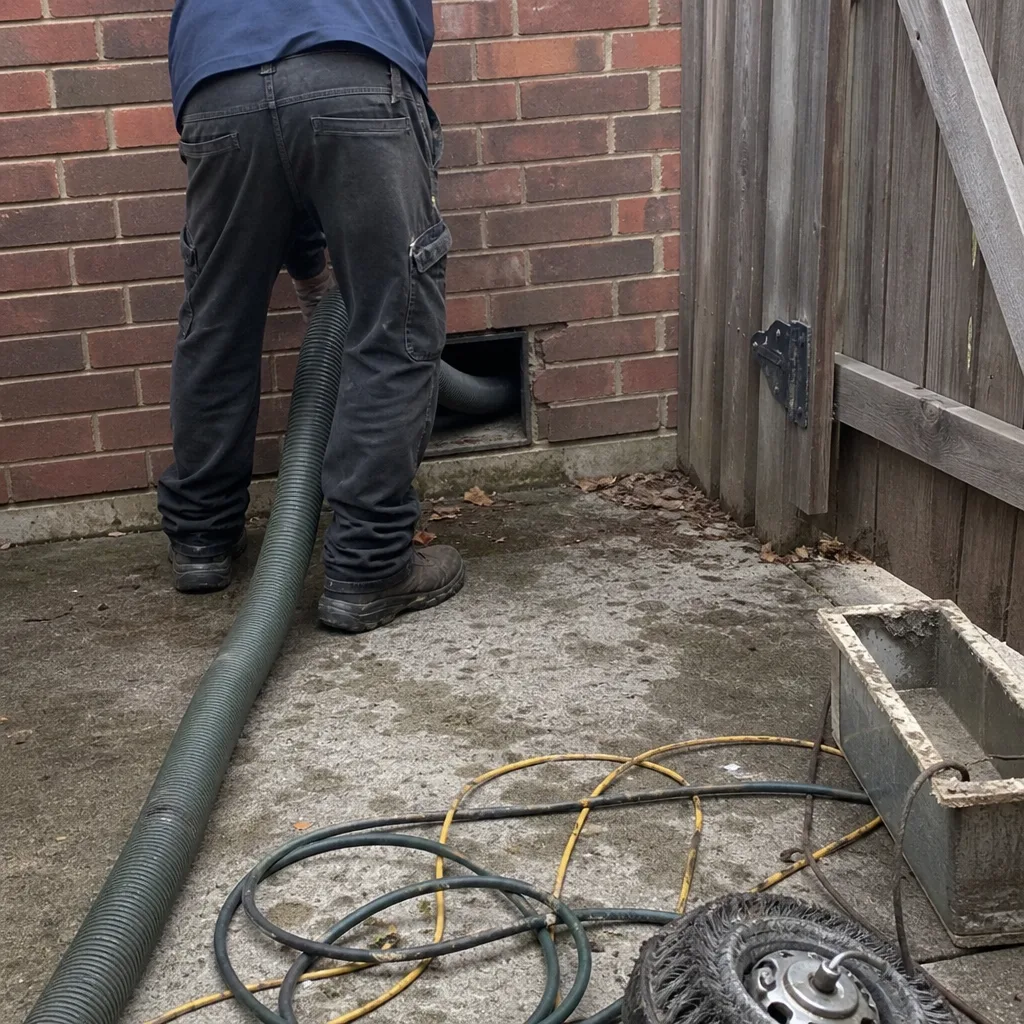 Before
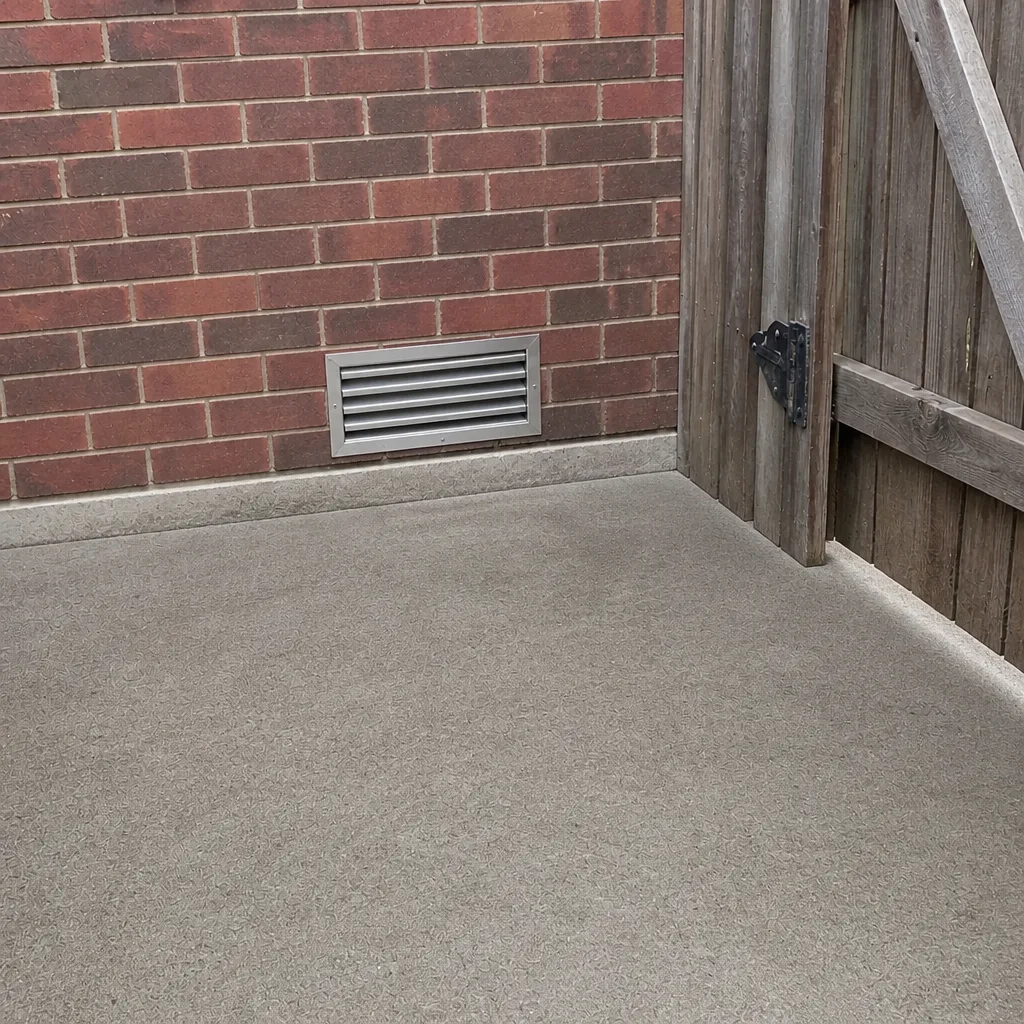 After
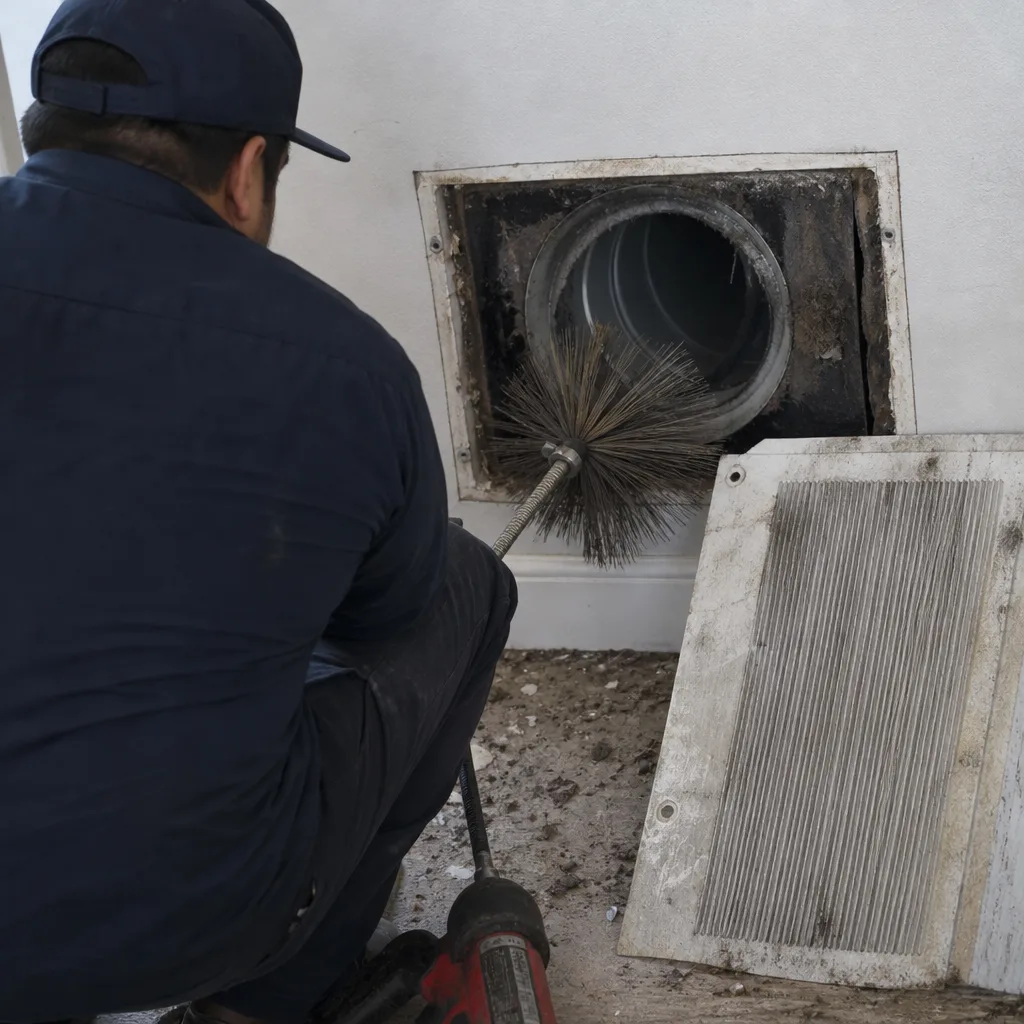 Before
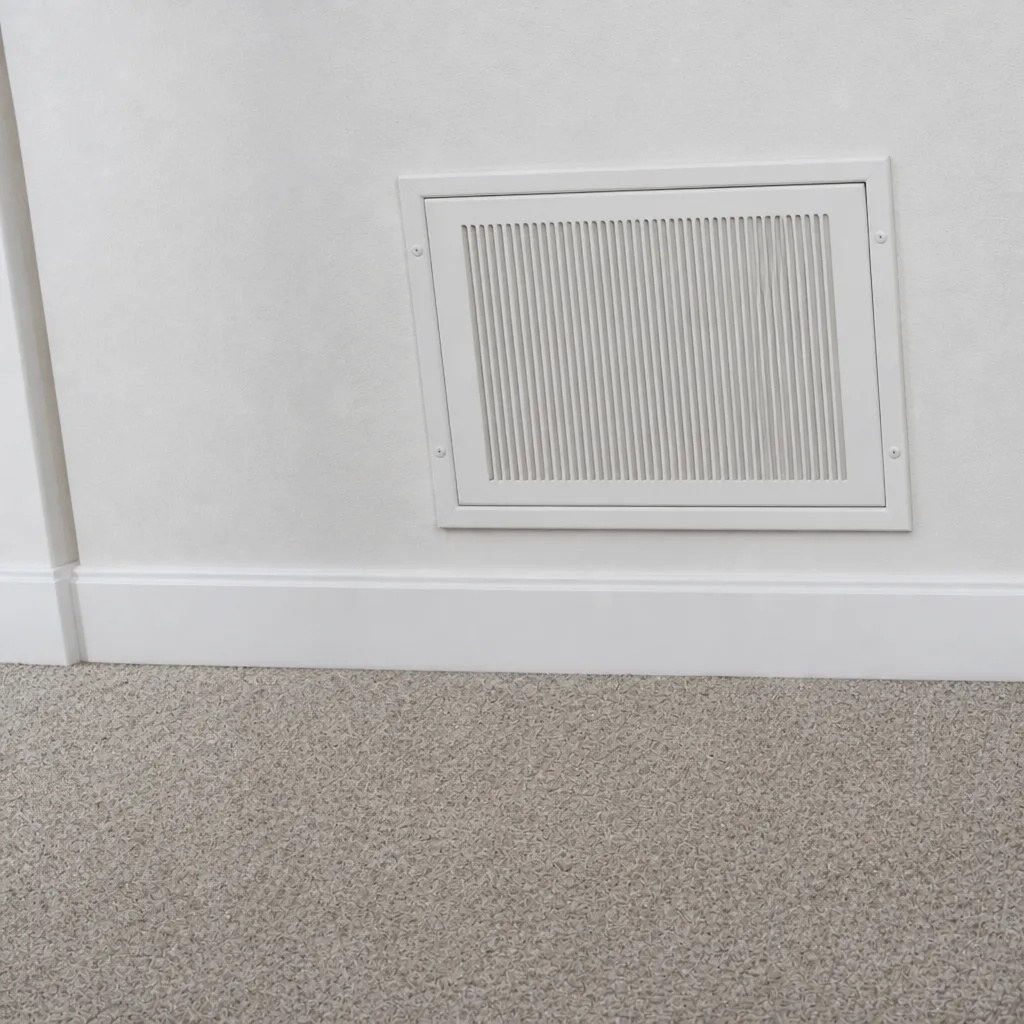 After
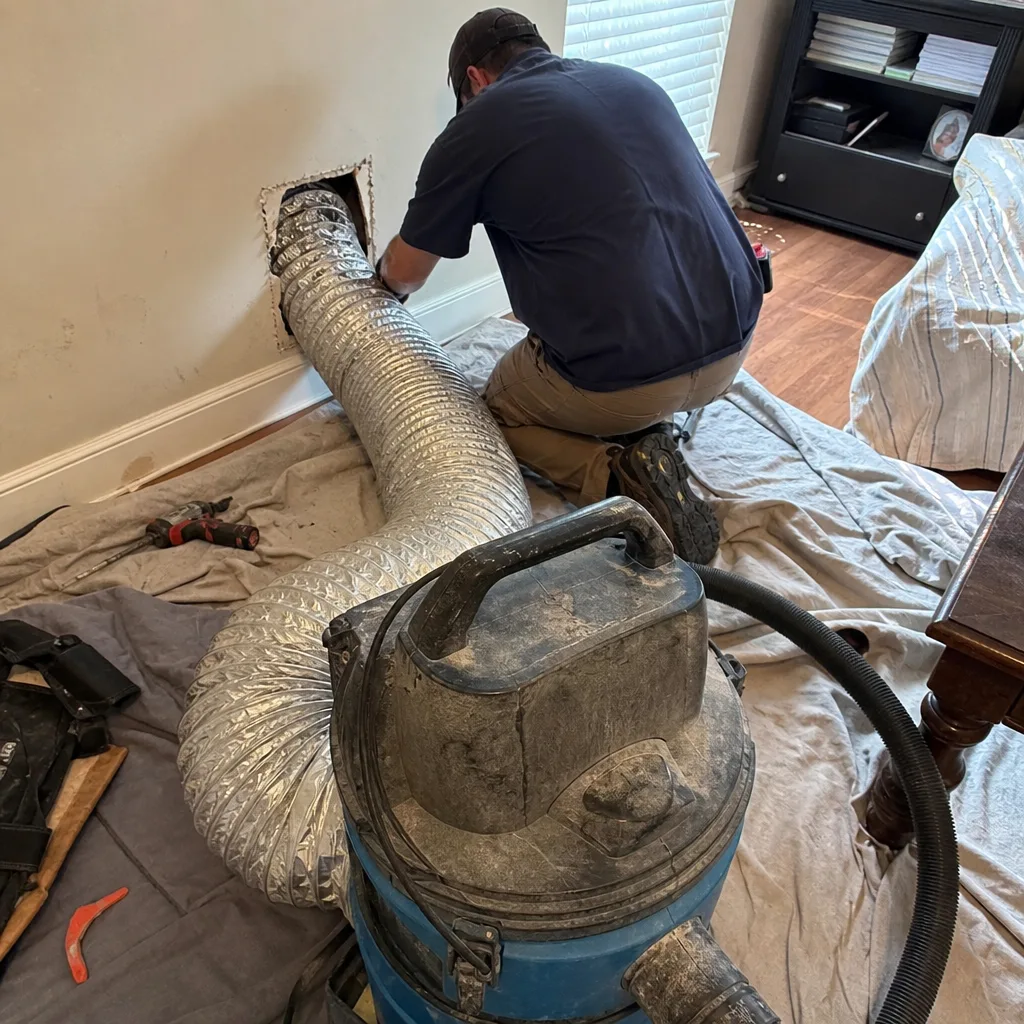 Before
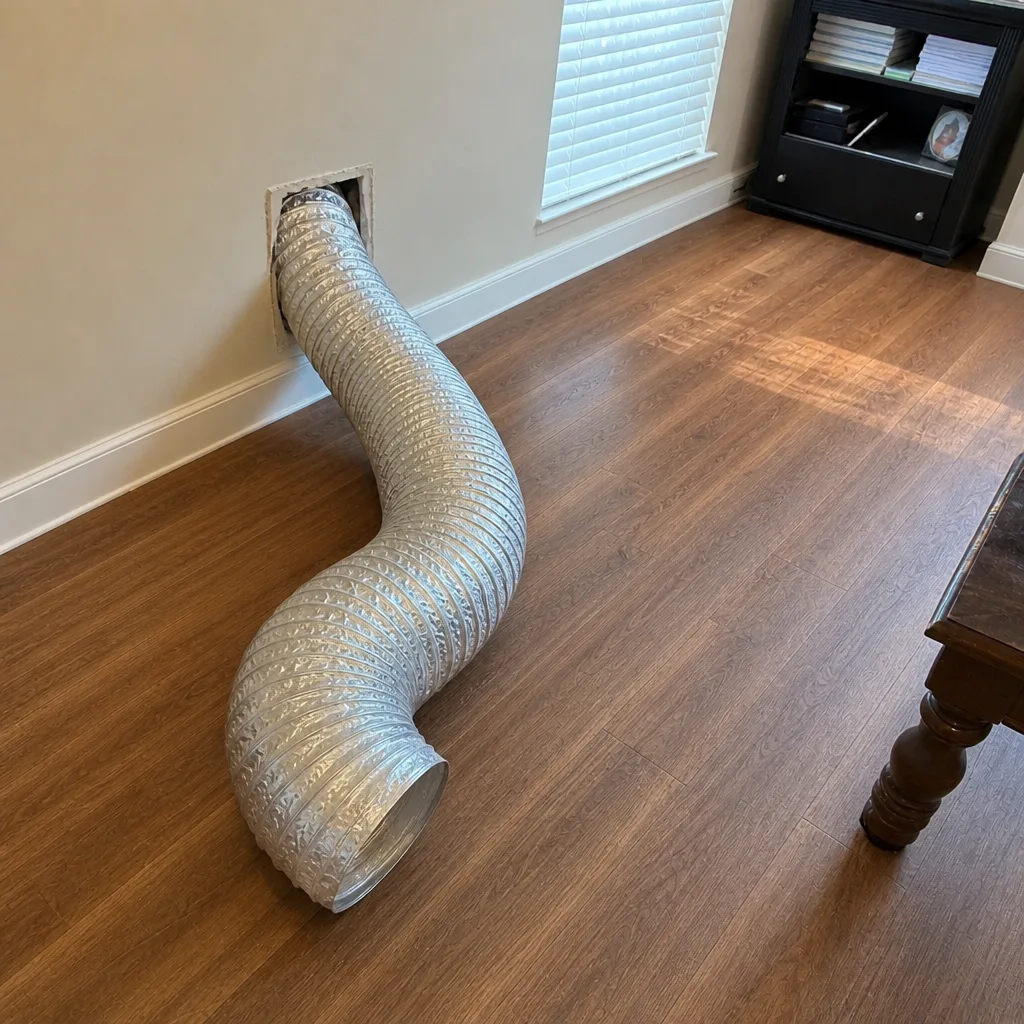 After
When to Call a Professional
Some duct work is homeowner-maintainable: changing the filter, vacuuming a return grille, keeping the register faces clean. Most duct work is not. Call a professional if you’ve noticed musty odors at a return or register, if a room never gets enough airflow, if you see visible dust plumes at a supply diffuser when the system runs, if you have pets or allergy sufferers in the house and it’s been more than two years since the last cleaning, or if the dryer is taking longer than it used to. Also call if you’ve had recent water damage, pest activity in the attic, or a remodeling project.
Duct Cleaning Richardson offers free estimates in Richardson. Call (877) 741-8677. We answer 24/7. Fast dispatch from 7am to 7pm, Sunday through Friday. Estimates are free and the price is set per job by the written estimate, with one flat price per system agreed before any work starts. Our technicians have up to 15 years of experience, and we photograph the before-and-after condition of your own ducts so you can see exactly what was cleaned.
Frequently Asked Questions
Most Richardson homes do best with a full cleaning every two years, scheduled in late May or early December to land on the highest-value seasonal windows. Homes with pets, allergy sufferers, or recent remodeling should clean every year. The key is matching the timing to the local pollen and humidity calendar rather than to a fixed anniversary date. Call (877) 741-8677 for an exact quote; estimates are free.
Yes, if the filter is properly matched and the ducts are actually loaded. A good filter captures airborne particulate before it reaches the coil, but it doesn’t remove what’s already settled on duct walls and register boots. Once debris has settled, only mechanical cleaning removes it. If you’ve had the same filter rating for years and the ducts look dirty, the filter is doing what it can; the ducts need work.
Late spring (after oak pollen settles) or early winter (before cedar season) are the two highest-value windows. If you only clean once, choose late May so the system is clean going into the humid months. If you can do two cleanings in a longer cycle, pair a late-spring cleaning with a pre-cedar cleaning. Call (877) 741-8677 for an exact quote; estimates are free.
Ask for before-and-after photos of your own ducts, your coil, and your supply boots. A professional cleaning team documents the work. If the company can’t produce photos of your specific system, ask why. We photograph your ducts as a standard part of every job. Call (877) 741-8677 for an exact quote; estimates are free.
It can reduce exposure to settled pollen, dust, and biological particulate that gets airborne when your system runs, which is a real factor during oak and cedar seasons. It’s not a cure for allergies, and anyone with a diagnosed condition should follow their doctor’s advice. What cleaning does is remove a reservoir of the contaminants that trigger symptoms. Call (877) 741-8677 for an exact quote; estimates are free.
The cost depends on system size, the number of vents, and whether repairs are needed. The written estimate sets the final price, agreed before work starts, so the number on the invoice matches the number on the estimate. There’s no per-vent pricing and no teaser price that grows once the technician is on site. Call (877) 741-8677 for an exact quote; estimates are free.
The Bottom Line
Richardson’s climate splits the year into four duct contamination phases, and each one has a different best intervention. Oak pollen in spring loads the supply side, summer humidity creates condensation and mold risk at the coil, fall switchover pushes settled debris into the airstream, and cedar season in winter delivers the heaviest allergen load of the year. A single annual cleaning misses at least two of those windows. Build a two-year rolling schedule around late-spring and pre-cedar cleanings, pair it with annual dryer vent cleaning, and add duct repair if the system has leaks or disconnected runs. That’s the schedule that actually keeps the ducts clean.
Written by the team at Duct Cleaning Richardson.