
Last updated November 15, 2026
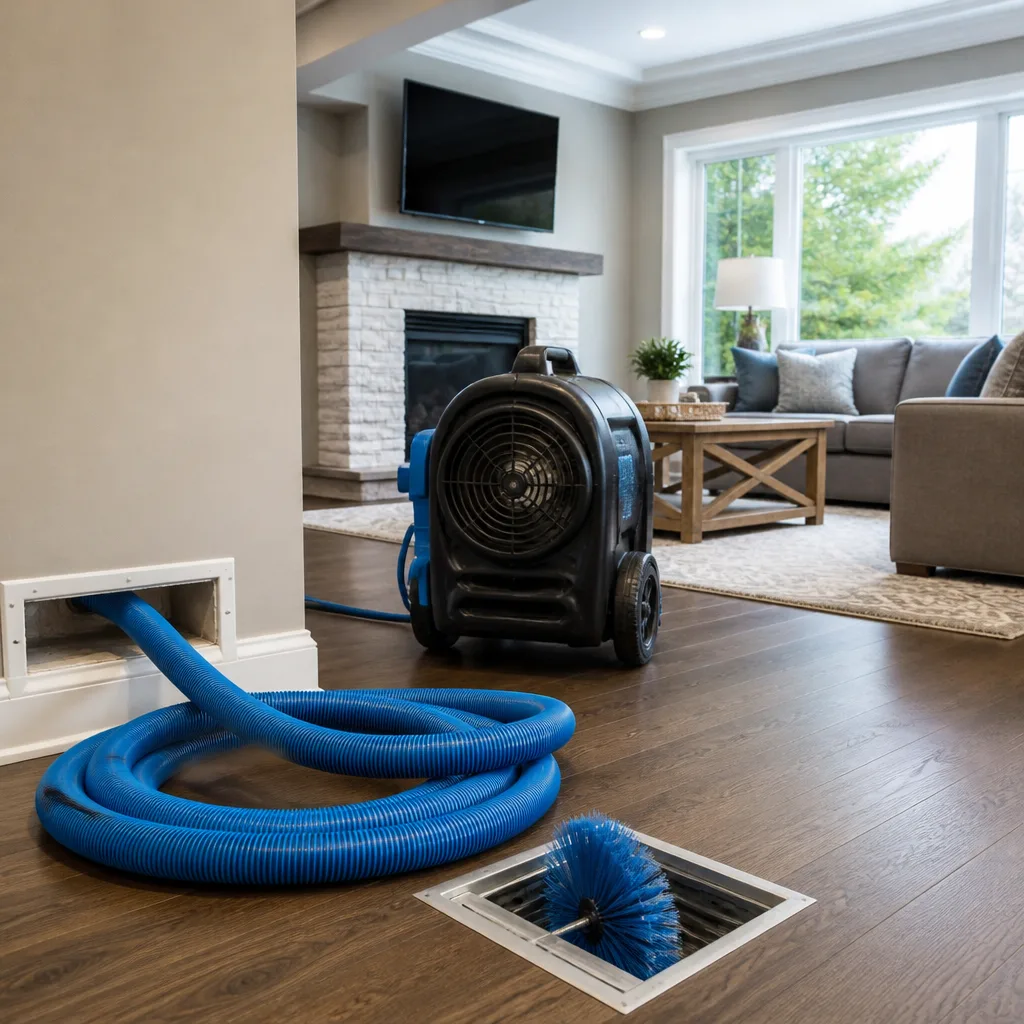 Whole-home duct cleaning
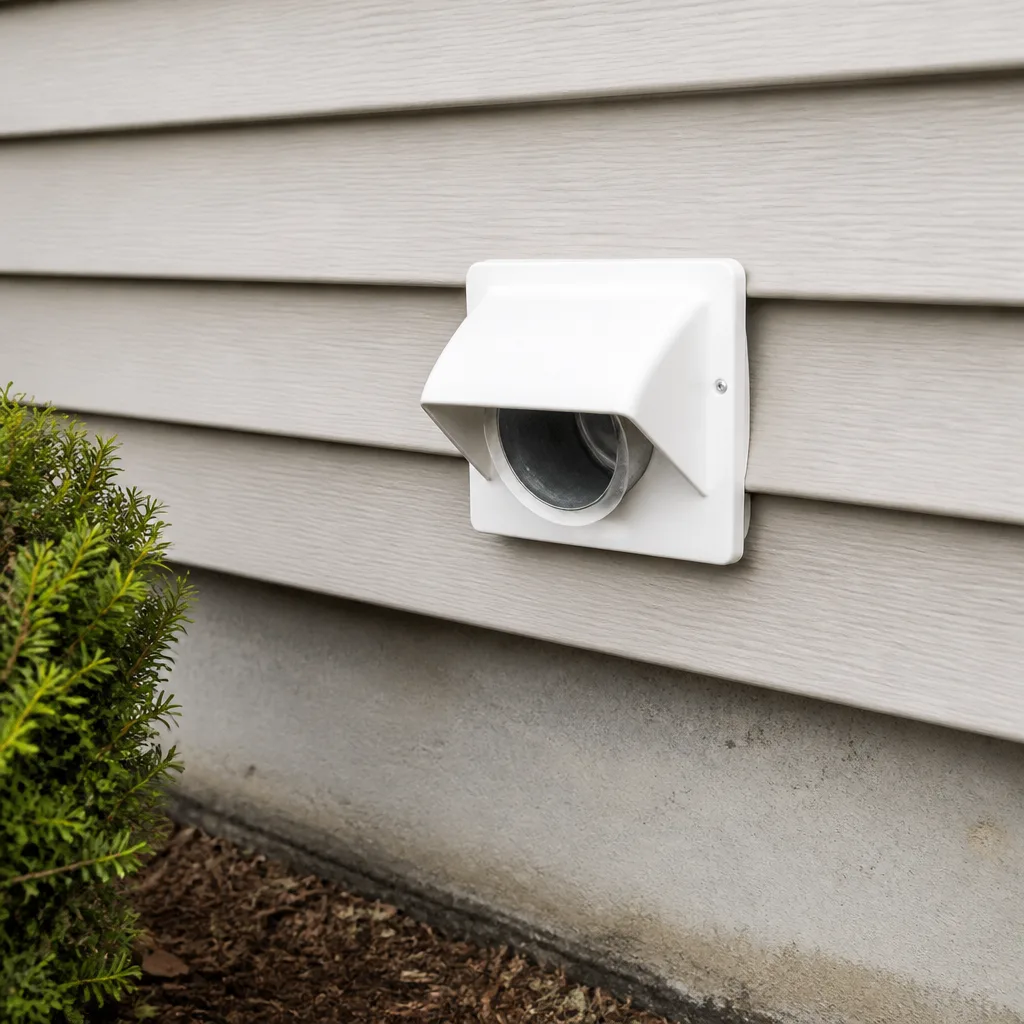 Dryer vent cleaning
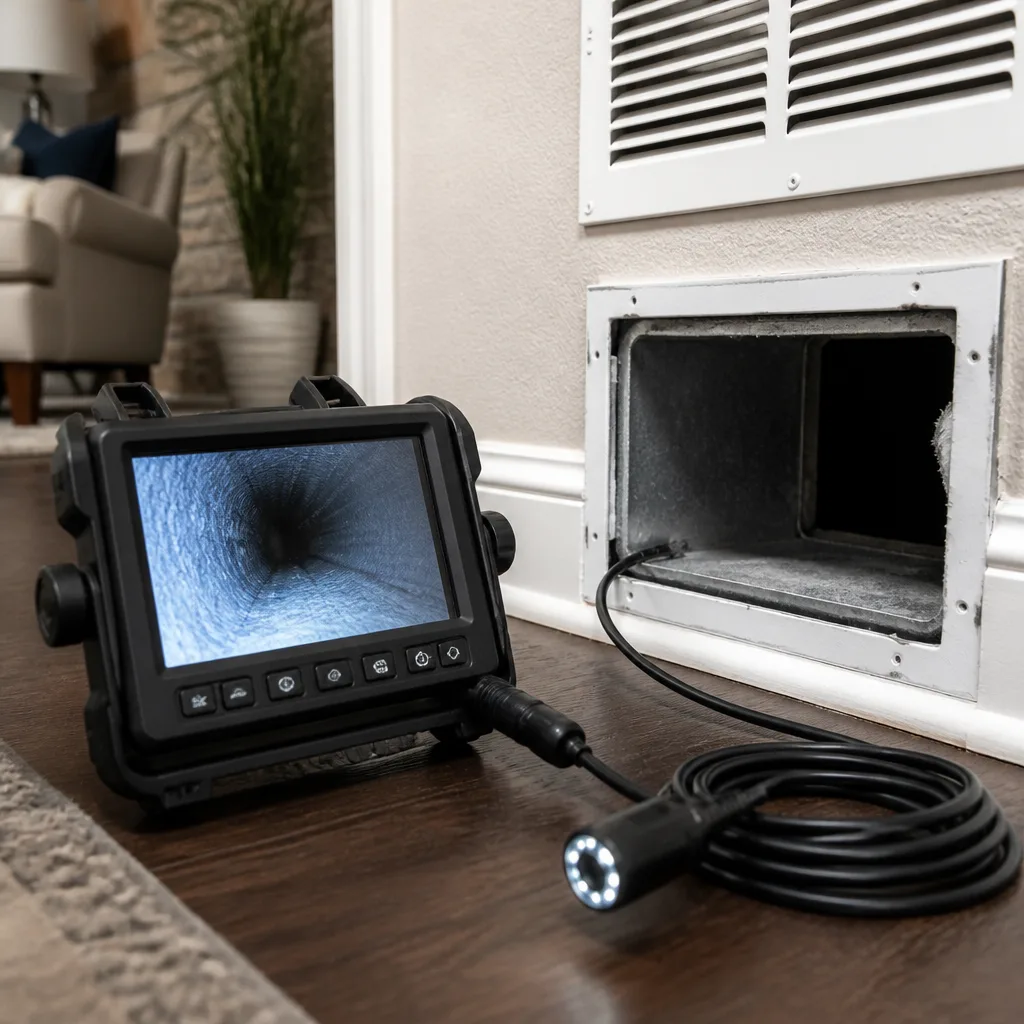 Camera inspection
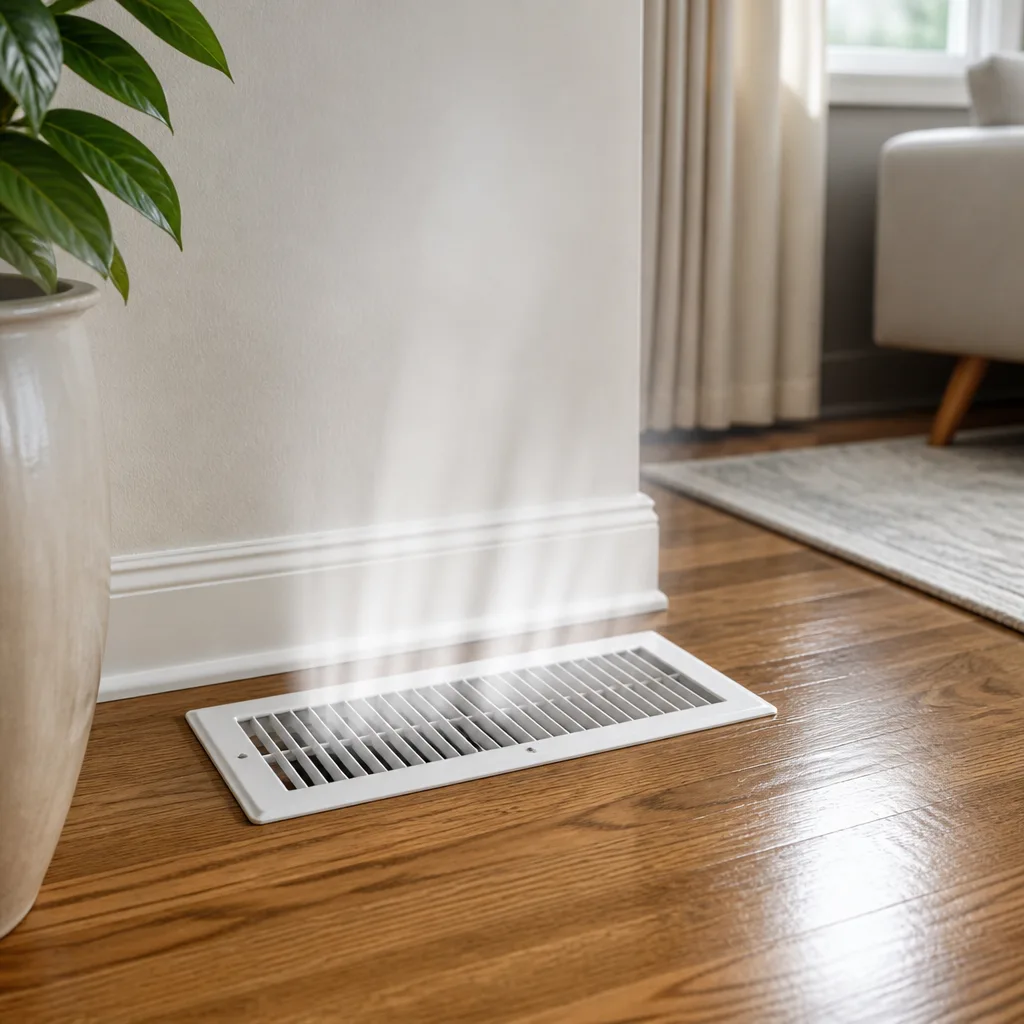 Sanitizing & deodorizing
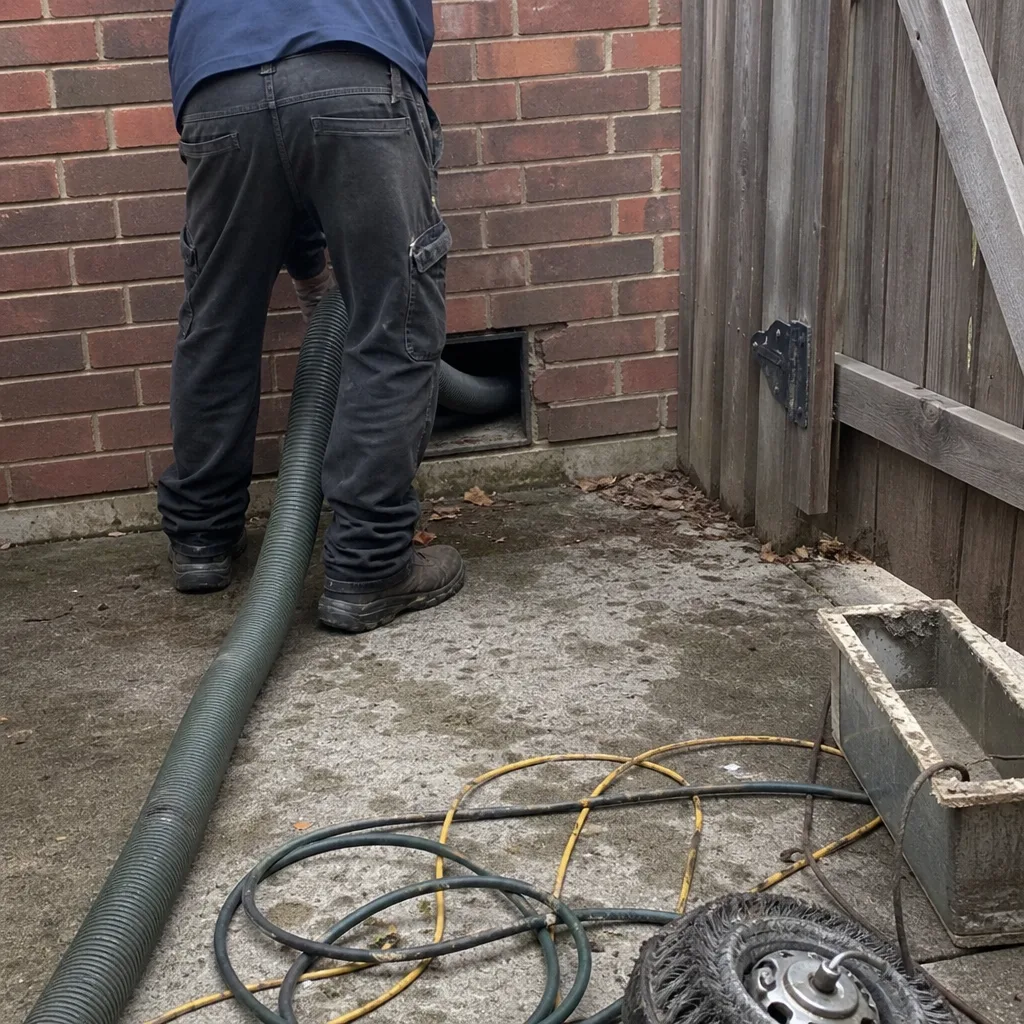
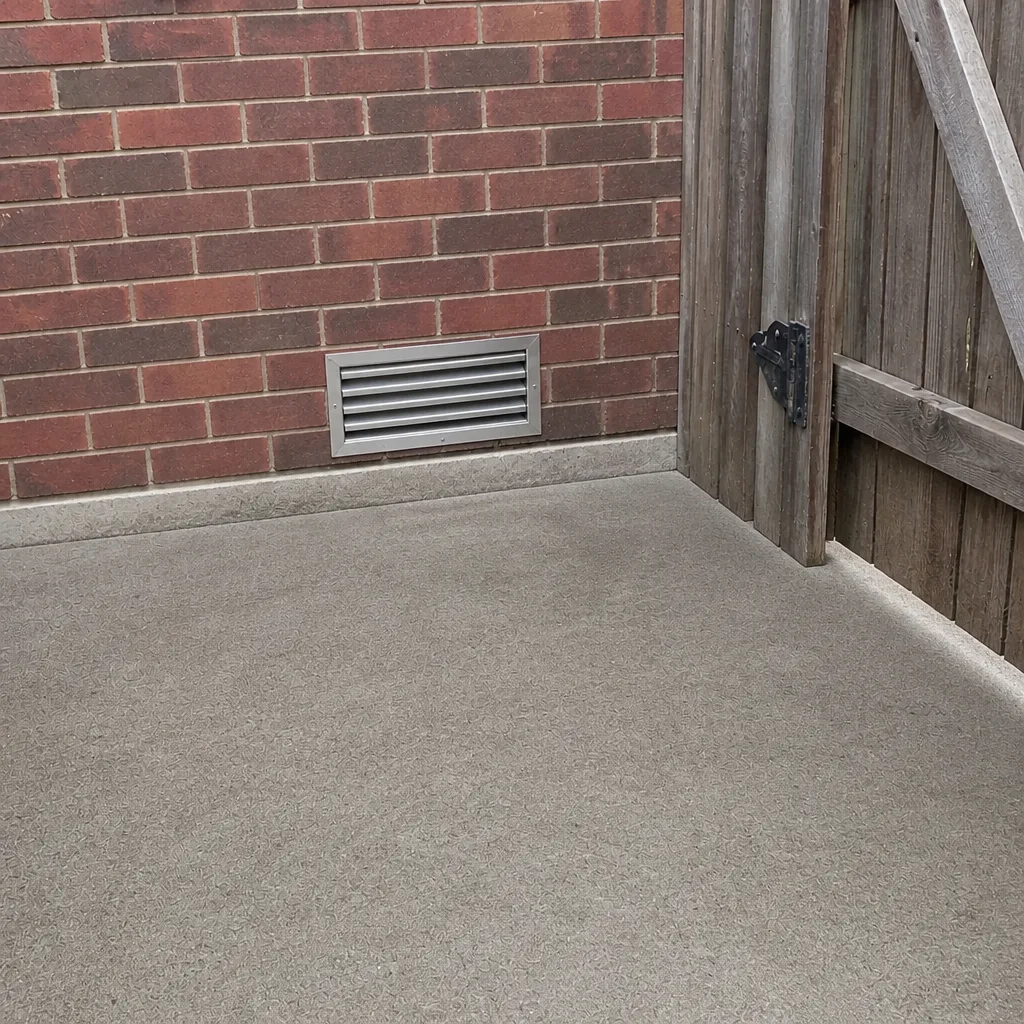
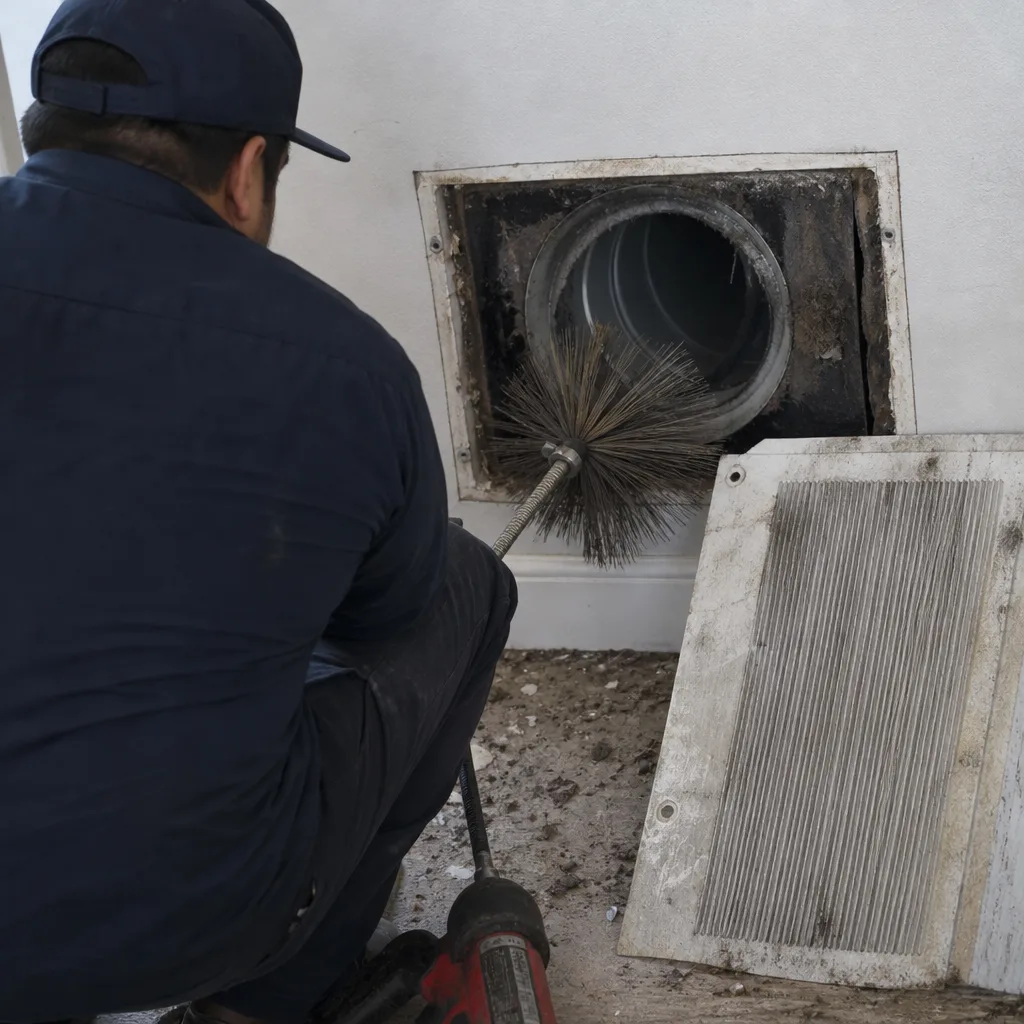
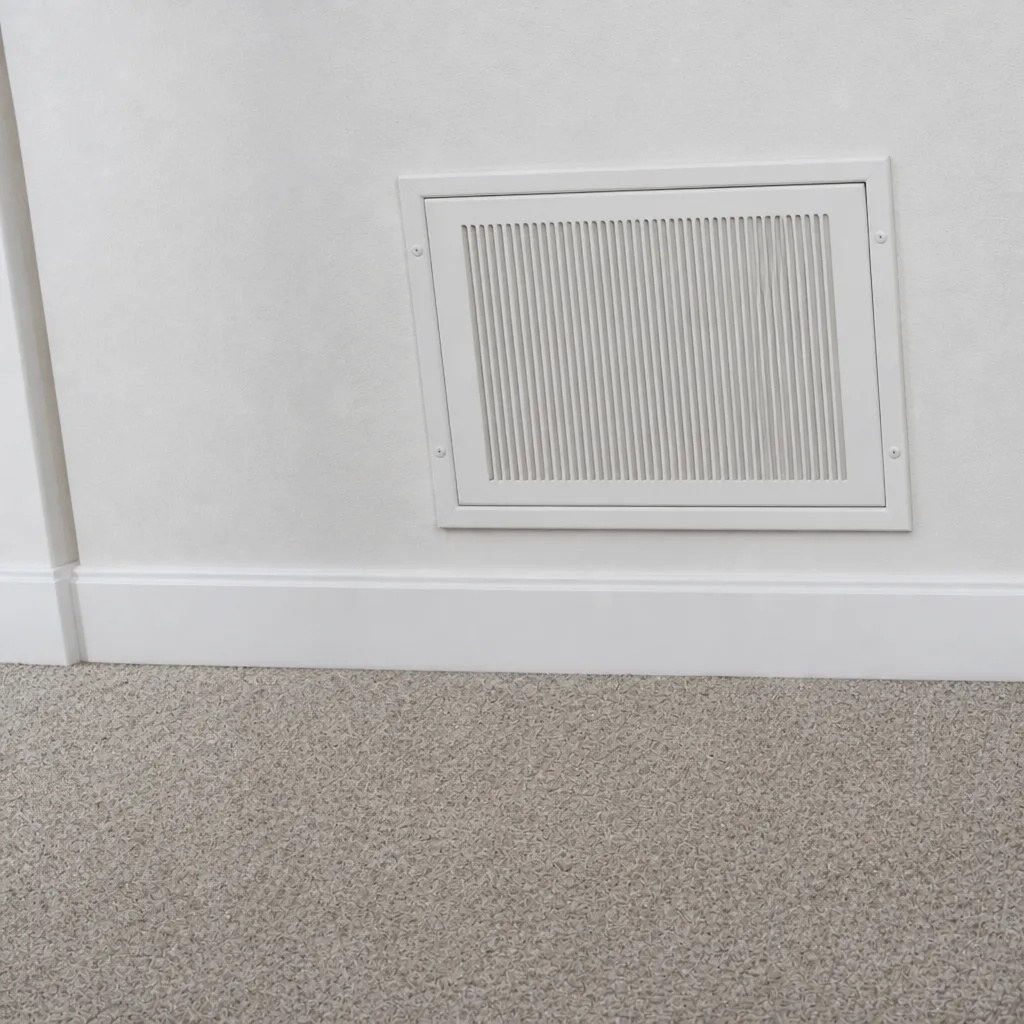
Whole-system duct and dryer vent check with before-and-after photos - you see exactly what came out of your vents
That "$99 whole-house special" is a bait ad - the real number appears once they are in your hallway, or the "clean" is a shop-vac at the register. We photograph the inside of your ducts before and after instead.
The Complete Guide to Air Duct Cleaning in Richardson
Most Richardson homes were built during a 15-year window when flex duct and fiberglass duct board became the standard way to run air through a house. Those materials trap debris differently than the sheet metal systems that most national duct cleaning guides assume you have. That single fact changes almost everything about how a proper cleaning should be done here, from the equipment a technician brings to whether a rotary brush is safe to run through a given run. This guide maps the full process against Richardson’s actual construction, its Blackland Prairie clay soil, and its long pollen season, so you can judge a quote on more than price. You will learn what real pre-inspection looks like, how each duct material behaves, what post-cleaning verification should include, and the industry standard you can use to hold a contractor accountable.
Quick Answer
Air duct cleaning in Richardson means removing accumulated dust, clay particulate, pollen, and debris from the supply and return runs in your home, then verifying the result with airflow measurement and a camera check. In Richardson’s housing stock, that usually means using rotary agitation built for flex duct and fiberglass duct board rather than the sheet metal the rest of the country writes about. A legitimate job starts with a real pre-inspection and ends with documented proof, not just a low quote and a hose in a vent.
Styles & brands we work with
- Whole-home duct cleaning
- Dryer vent cleaning
- Camera inspection
- Sanitizing & deodorizing
Table of Contents
- Why Richardson’s Housing Stock Changes the Job
- Flex Duct vs. Fiberglass Duct Board vs. Sheet Metal
- What a Real Pre-Inspection Looks Like
- The Cleaning Process, Step by Step
- Post-Cleaning Verification: Proving the Work Was Done
- The NADCA ACR Standard in Plain English
- When Cleaning Isn’t Enough: Duct Repair
- How Often Do Richardson Ducts Really Need Cleaning?
Why Richardson’s Housing Stock Changes the Job
Richardson grew fast in the 1980s and 1990s, and the construction methods of that era left a distinct signature inside the walls of thousands of homes. Flex duct became the default for branch runs, and fiberglass duct board replaced sheet metal for plenums and trunk lines in many builds. Both materials were chosen for speed and cost, and both behave very differently from the rigid galvanized steel that older national guidance was written around. A duct cleaning method that works beautifully on sheet metal can leave fiberglass duct board damaged or barely touched.
The soil here matters too. Richardson sits on Blackland Prairie clay, the dark, heavy soil that swells when wet and cracks when dry. That clay doesn’t just stay in the yard. Wind carries fine particulate onto screens, into returns, and into the air your system pulls through the filter. Because clay particles are extremely fine, plenty of them pass through standard filters and settle inside the ductwork, where they cling to the slightly tacky interior lining of fiberglass board. It’s a different adhesion problem than you’d see with dry sheet metal dust.
Then there’s pollen. North Texas has a long, aggressive pollen season, and in Richardson the fine spring tree pollen and the late-season weed pollen both load the return side of a system. We’ve seen homes where the supply runs are relatively clean but the return plenum and the area right behind the filter grille are packed. That pattern shows up again and again in this market, and it’s one reason a cleaning that only touches the supply vents misses the actual problem.
Put together, the local contamination profile is clay dust plus fine pollen plus a housing stock built around materials that hold onto both. Generic duct cleaning advice doesn’t account for any of that. A contractor who treats every house like a sheet metal house is guessing.
Flex Duct vs. Fiberglass Duct Board vs. Sheet Metal
The three duct types most common in Richardson homes respond to cleaning in three different ways, and knowing which one runs through your walls tells you what equipment should be in the truck.
- Flex duct. A flexible plastic inner liner supported by a wire coil, often wrapped in insulation. It’s the most common branch run in 1980s and 1990s builds. The inner liner is thin and can be torn by the wrong brush or by too much pressure, so agitation has to be controlled. Flex duct also sags and develops low spots where debris collects, and the corrugated interior holds fine particles that a straight vacuum pass won’t lift.
- Fiberglass duct board. Rigid panels of resin-bonded glass fiber, usually facing the airstream. It’s common in plenums and trunk lines from this era. The interior surface is slightly porous, which means dust and clay particulate settle into it rather than sitting on top. A rotary brush is what actually breaks that layer loose, but the brush has to be sized and run at the right speed so it cleans the surface without chewing into the fiberglass.
- Sheet metal. Galvanized steel, common in older homes and in some newer high-end builds. It’s the most forgiving surface and the one most general duct cleaning guidance describes. Dust sits on a smooth surface, so agitation and vacuum capture work cleanly. It also reveals problems well, since dents, separated seams, and rust are all visible.
The reason this matters comes down to equipment. A shop vacuum with a long hose can pull loose surface dust, but it can’t agitate the interior of flex duct without damage, and it can’t break clay particulate out of a fiberglass duct board liner at all. That’s the gap professional equipment is built to close. A Rotobrush rotary-brush system runs a controlled, sized brush through the duct to scrub the walls, paired with a high-volume vacuum that captures what the brush loosens. For the fiberglass board so common in Richardson builds, that agitation step isn’t a nicety, it’s the whole job.
If you’re not sure what you have, a proper pre-inspection answers it in minutes. We can tell you which materials are in your walls during the estimate, and that determines the method.
What a Real Pre-Inspection Looks Like
Before any equipment runs, a legitimate duct cleaning starts with a walkthrough and inspection. This is where a serious contractor separates from a quick pass-through, and it’s the step homeowners should watch closely. If a technician walks in, glances at a vent, and starts setting up, that’s a warning sign.
Here’s what should happen during pre-inspection:
- Locate and record every run. Supply registers, return grilles, and the air handler or furnace connection all get identified. A count of vents should be written down so the quote matches the actual system, not a rough guess.
- Photograph and inspect inside the ductwork. A camera or a look inside the main runs shows the material type, the level of buildup, and any damage. Flex duct that has collapsed or torn, duct board with a compromised liner, or sheet metal with separated seams all turn up here.
- Check the air handler and coil area. The blower compartment and evaporator coil area often hold the worst buildup, because that’s where the air changes direction and slows down. Dirt there affects airflow and system performance.
- Test the system’s current airflow. A baseline airflow reading before cleaning is what you compare against after, and it’s the only honest way to say whether cleaning improved anything.
- Ask about the filter and return setup. Filter condition, filter grille placement, and return sizing all affect how much debris reaches the ducts. This is also where a conversation about filtration upgrades belongs.
What a technician who skips straight to blowing air is doing is guessing, and often hiding that the job is smaller or larger than quoted. A real pre-inspection is also when you should hear the honest scope: how many systems, how many runs, and whether any of it needs repair rather than cleaning. We provide free estimates in Richardson, and the written estimate you get should reflect what the inspection actually found.
The Cleaning Process, Step by Step
Once the scope is set, a professional cleaning follows a defined sequence. The steps below are the ones that matter, and you can ask any contractor to walk you through how they’ll handle your house.
- Set up containment and negative pressure. Before any agitation, the work area gets isolated and the system is put under negative pressure so loosened debris goes into the collection equipment rather than into your living space. This is also where Abatement Technologies air filtration equipment earns its place, because it protects the air you’re breathing while the work is in progress.
- Connect the high-volume vacuum. A HEPA-rated vacuum, like the Nikro equipment we use, establishes capture at the collection point. The vacuum stays on through the agitation phase so nothing gets a chance to settle back.
- Agitate each run with the rotary brush. The Rotobrush system runs a controlled brush through each duct to scrub the walls. On flex duct it’s run gently to avoid tearing the liner. On fiberglass duct board it’s what breaks clay and pollen off the porous surface. On sheet metal it removes the dust layer cleanly. This step is the difference between a surface pass and an actual cleaning.
- Clean the plenums, air handler, and coil area. The main trunk and the equipment cabinet get the same treatment, since that’s where heavy buildup lives.
- Clean the registers and grilles. Supply and return covers come off, get cleaned, and go back on. This sounds minor until you see how much debris sits on the back of a return grille.
- Verify and document. Post-cleaning airflow measurement and a camera check confirm the result before anything gets put back together. More on this in the next section.
One thing that sets apart a true specialist from a multi-trade generalist: the equipment is purpose-built for ducts. A rotary brush and HEPA vacuum aren’t repurposed shop vacuums with a hose taped on. They’re systems designed to agitate and capture at the scale a full house requires. When you’re comparing quotes, ask what equipment is actually coming to your house. The answer tells you a lot.
Post-Cleaning Verification: Proving the Work Was Done
This is the part most quotes never mention, and it’s the part that matters most if you’ve ever been burned by a quick pass-through. Verification means the contractor proves the work with measurement and evidence, not with a promise. In Richardson, where the duct materials are harder to clean than sheet metal, verification is how you know the brush actually reached the surfaces that trap debris.
A credible verification should include:
- Airflow measurement after cleaning. Comparing the post-cleaning airflow to the pre-cleaning baseline shows whether the system is moving air more freely. It’s a number, not an opinion.
- Camera confirmation inside the ducts. A look inside a representative run shows the interior surface before and after. This is the single most useful proof a homeowner can ask for.
- Photo documentation. Before-and-after photos of your own ducts, taken during the job, let you see exactly what was removed and what the surfaces look like now. You shouldn’t have to take anyone’s word for it.
- A walkthrough at the end. The technician should walk the system with you, point out what was found, and explain anything that needs attention going forward.
If a contractor can’t show you these, that’s your answer about how the job was done. The camera and the airflow meter don’t lie, and a company confident in its work should be happy to use them. One flat price per system, agreed before work starts, plus before-and-after photos of your own ducts, is what a job you can verify actually looks like.
The NADCA ACR Standard in Plain English
NADCA, the National Air Duct Cleaners Association, publishes a standard called ACR, which stands for Assessment, Cleaning, and Restoration. In plain terms, it’s the industry’s agreed sequence for evaluating ductwork, cleaning it properly, and putting the system back in working order. You don’t need to memorize it, but knowing what it covers lets you ask better questions.
The “assessment” part means the contractor evaluates the system before quoting and cleaning, which is the pre-inspection step described above. The “cleaning” part means using methods appropriate to the duct material, with containment and negative pressure so debris doesn’t escape into the home. The “restoration” part means returning the system to its intended condition, including addressing damage or disconnection found during the job. That last part is why a company that can also repair ducts matters, because cleaning a run that’s torn or disconnected is a wasted effort.
You can use the standard to hold a contractor accountable without being an expert:
- Ask whether the contractor follows ACR practices. A serious one will answer without hesitation.
- Ask what happens to debris during cleaning. The right answer involves containment and negative pressure, not “it gets sucked out.”
- Ask whether the assessment includes a camera look and airflow baseline. Both are part of a real evaluation.
- Ask whether restoration is on the table if damage is found, and whether the same company handles it.
Richardson homeowners deserve that level of clarity from anyone they hire. The standard exists so you have something concrete to point to when a quote feels vague.
When Cleaning Isn’t Enough: Duct Repair
Cleaning removes contamination, but it can’t fix ductwork that’s structurally compromised. During pre-inspection and cleaning, several problems turn up regularly in this market, and each one changes what the job needs to be.
- Torn or collapsed flex duct. The thin inner liner tears, sags, or gets crushed behind a bend or under insulation. A torn run leaks air into the attic or wall cavity, so it delivers less conditioned air and pulls in unfiltered air.
- Separated joints and disconnected runs. A run that has come loose at a fitting or boot sends air into the wrong space entirely. Cleaning it accomplishes little until it’s reconnected.
- Compromised duct board. Fiberglass board with a damaged facing or a cracked seam lets fibers and air escape. Repair here means restoring the seal and the surface.
- Seam and connection leaks on sheet metal. Gaps at fittings and boots leak conditioned air, and they also let dust-laden air from unconditioned spaces work its way in.
When repair is needed, the right sequence is to seal, patch, and restore the run so it holds air the way it should, then clean. Cleaning first and repairing later means the repaired run starts with contamination already inside it. This is also the reason we treat duct repair as a service in its own right rather than an afterthought. Most companies clean and leave the compromised runs alone. If you want to understand where repair fits alongside cleaning, the air duct cleaning service page lays out how the two are scheduled together.
How Often Do Richardson Ducts Really Need Cleaning?
There’s no single schedule that fits every Richardson home, but the local conditions narrow it down more than generic advice suggests. Clay dust and a long pollen season mean the return side loads faster here than in places with lighter particulate and shorter pollen windows. Homes with pets, recent renovation, or a lot of open-window living will load faster still.
Where a professional cleaning tends to earn its cost:
- Visible dust puffing out of registers when the system starts, or dust settling on surfaces soon after cleaning.
- Musty or stale odors when the air kicks on, which often points to buildup in the return plenum or on the coil area.
- Allergy or respiratory flare-ups that seem worse indoors, especially during Richardson’s pollen season.
- Uneven airflow, with some rooms noticeably weaker than others.
- Recent renovation, which pushes construction dust through the system.
- A home where the ducts haven’t been serviced in many years and the history is unknown.
- A filter that clogs quickly, which suggests heavy load reaching the equipment.
Rather than a fixed interval, watch for these signals and get a real assessment. A camera look during inspection tells you what state the ducts are in far better than a calendar does. If you want the broader picture on the service, start with duct cleaning in Richardson for the full scope.
Common Mistakes to Avoid
- Choosing on price alone. The cheapest quote is often the one that treats a fiberglass duct board system like sheet metal. You end up paying for a pass that never reaches the surfaces that hold the clay and pollen.
- Skipping the pre-inspection. A contractor who doesn’t inspect before quoting can’t know what materials are in your walls or what condition the runs are in. That’s a guess dressed up as a price.
- Cleaning a system with known damage. If a run is torn, sagging, or disconnected, cleaning it first means the repaired run starts with contamination inside. Repair the structure, then clean.
- Ignoring the return side. In many Richardson homes the supply runs look acceptable while the return plenum and area behind the filter grille carry the heavy load. A job that only touches supply vents misses the actual problem.
- Accepting a job with no verification. No camera look, no airflow reading, no before-and-after photos means no way to know what was done. Ask for all three.
- Forgetting the dryer vent. Lint buildup in a dryer vent is a fire-safety matter, not a minor maintenance item. Many homeowners book it as an add-on and are surprised by how much lint had accumulated.
- Assuming a generalist brings duct equipment. A multi-trade contractor with a shop vacuum and a hose isn’t the same as a specialist with a rotary brush and HEPA capture. Ask what’s coming to your house.
The dryer vent point is worth its own moment. Lint is highly flammable, and a slowly clogging vent is a safety issue long before it becomes an obvious problem. A dedicated dryer vent cleaning is a straightforward job that closes off a real hazard, and it can be scheduled alongside duct work.
See the difference
 Before
 After
 Before
 After
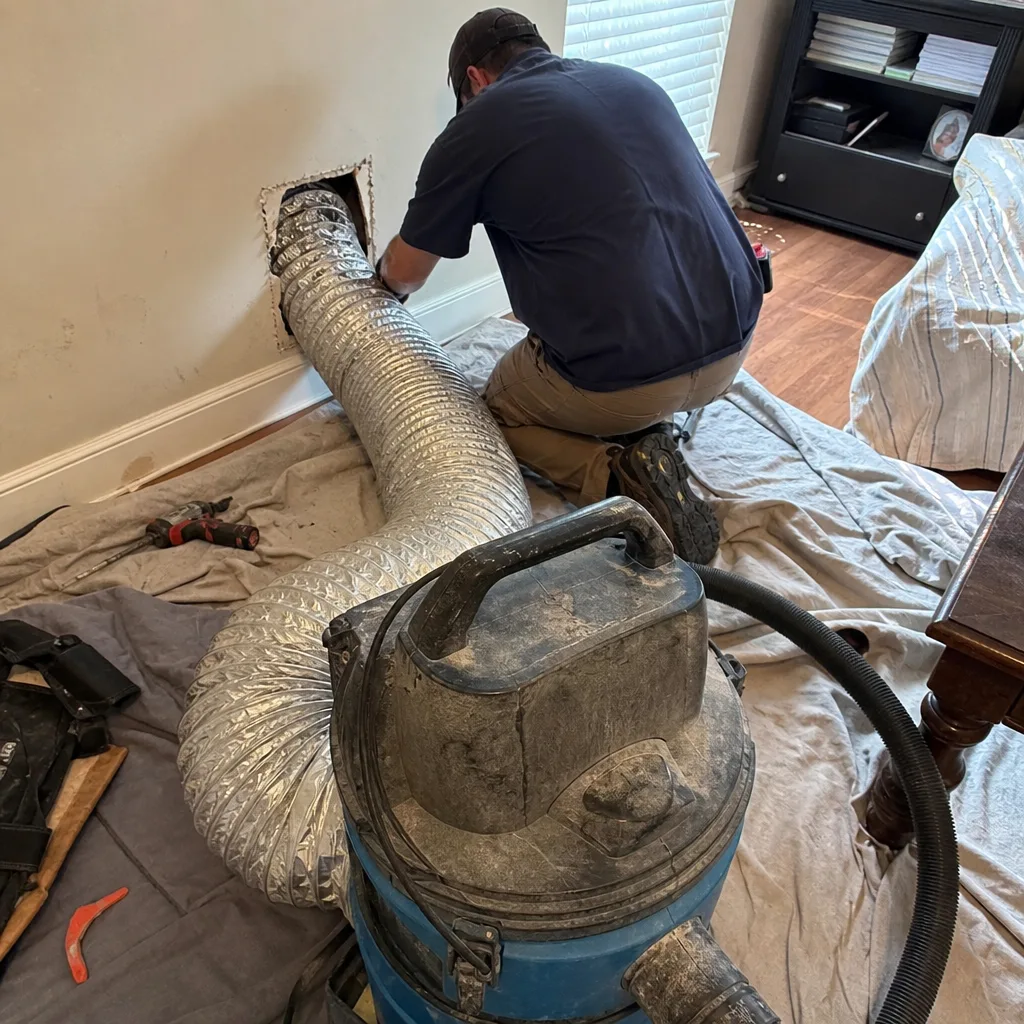 Before
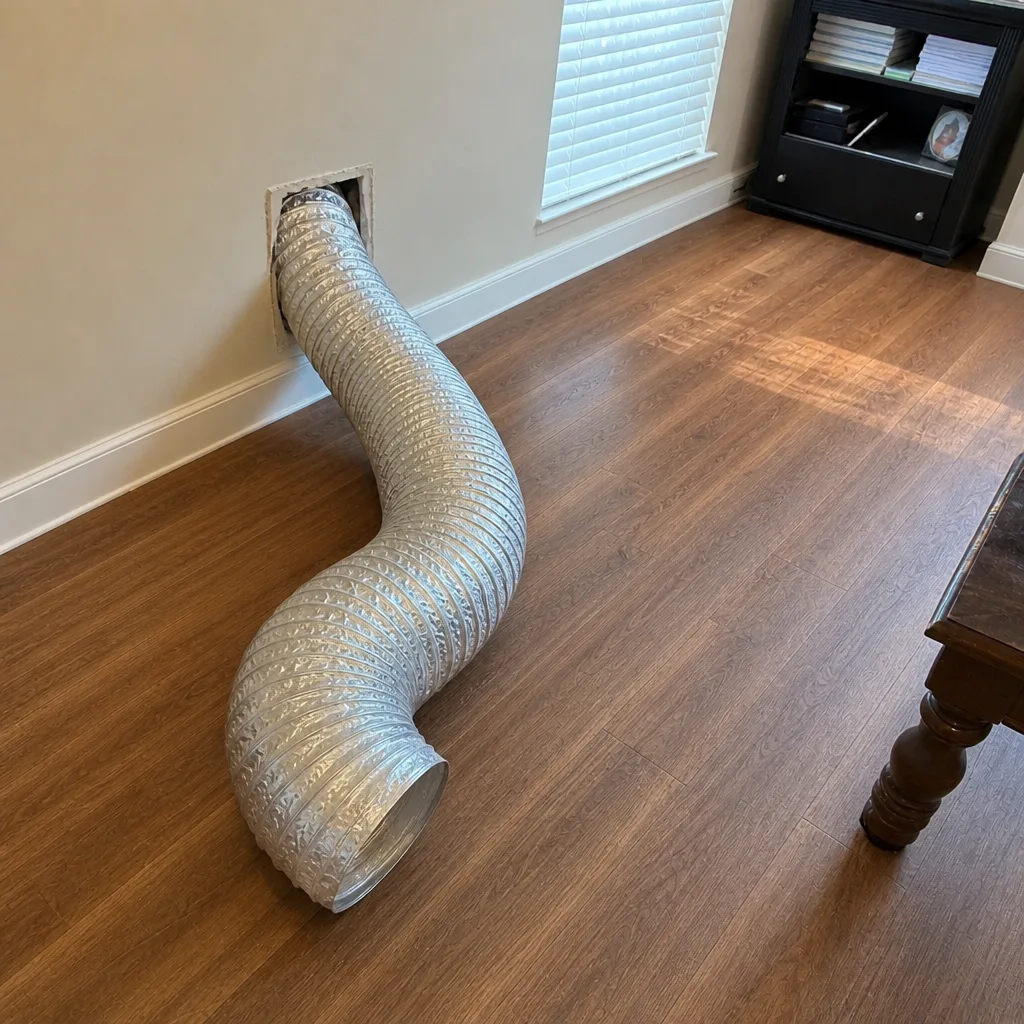 After
When to Call a Professional
Some situations clearly call for a professional assessment rather than a wait-and-see approach. If dust puffs from your registers when the system starts, if odors come with the air, if allergy symptoms get worse indoors, or if you’ve had renovation work push construction dust through the system, it’s time to have it looked at. The same goes for uneven airflow across rooms, filters that clog fast, or ducts with no known service history in a home you’ve recently moved into. And if any run is visibly torn, sagging, or disconnected, get it inspected before assuming cleaning alone will solve it.
The key is a real assessment before a quote, with camera and airflow evidence behind it. Duct Cleaning Richardson offers free estimates in Richardson. Call (877) 741-8677 and we’ll walk your system and tell you what it actually needs.
Frequently Asked Questions
Air duct cleaning here is priced per system by a written estimate after a pre-inspection, not quoted blindly over the phone. The estimate reflects how many systems and runs you have, what duct materials are involved, and whether any repair is needed. Richardson’s mix of flex duct, fiberglass duct board, and sheet metal affects the method and therefore the scope. The written estimate sets the final price, and the estimate itself is free. Call (877) 741-8677 for an exact quote.
Cheap quotes usually skip the pre-inspection, skip verification, or use a shop vacuum that can’t agitate fiberglass or flex duct properly. They also tend to assume a sheet metal system and price accordingly, which means the actual cleaning never reaches the surfaces that trap clay and pollen in Richardson homes. You get a pass-through rather than a real clean, and you have no camera evidence to know the difference. A one-flat-price estimate after inspection is the honest alternative. Call (877) 741-8677 for an exact quote.
You know through verification: airflow measurement compared to a pre-cleaning baseline, a camera look inside the ducts, and before-and-after photos of your own ducts. A contractor confident in the work should offer all three without being asked. If they can’t show evidence, ask why before agreeing to anything. Call (877) 741-8677 for an exact quote on a job you can verify.
We can repair them. Air duct repair is a service in its own right here, so torn flex duct, separated joints, disconnected runs, and compromised duct board can be sealed, patched, and restored, then cleaned. Cleaning a compromised run without repairing it wastes the work because the repair would start with contamination already inside. Call (877) 741-8677 to have both assessed together.
There’s no fixed interval, but Richardson’s clay dust and long pollen season load the return side faster than many climates. Watch for dust puffing from registers, musty odors, worsening allergies indoors, and filters that clog quickly, and get a real inspection when they show up. A camera look tells you the system’s actual condition better than a schedule does. Call (877) 741-8677 for a free estimate and an honest read on your ducts.
Yes. Lint buildup in a dryer vent is a fire-safety concern, and the vent can be partially clogged while the dryer still runs without obvious trouble. It’s usually booked as a dedicated safety service rather than an upsell. Getting it cleaned is quick, and it removes a real hazard. Call (877) 741-8677 for scheduling, and ask about combining it with duct work if you’re in the Richardson area.
The Bottom Line
Air duct cleaning in Richardson isn’t the generic job most national guides describe. The 1980s and 1990s housing stock here is full of flex duct and fiberglass duct board, both of which trap clay particulate and fine pollen in ways sheet metal doesn’t. A real job starts with a pre-inspection that identifies your duct materials and takes an airflow baseline. It continues with purpose-built equipment, rotary agitation sized for the material, HEPA capture, and containment so debris doesn’t spread into the house. It ends with verification: airflow measurement, a camera check, and before-and-after photos of your own ducts. If the runs are damaged, clean after you repair, not before. And don’t forget the dryer vent, which is a safety matter as much as a maintenance one.
If you want a straight answer about your system, Duct Cleaning Richardson offers free estimates in Richardson. Call (877) 741-8677. We answer 24/7. Fast dispatch from 7am to 7pm, Sunday through Friday. Licensed and insured, with technicians who have up to 15 years of experience, and equipment built for the job: Rotobrush rotary agitation, Nikro HEPA capture, and Abatement Technologies air filtration on site to protect your indoor air while we work. One flat price per system, agreed before work starts.
Written by the team at Duct Cleaning Richardson.