
Last updated November 15, 2026
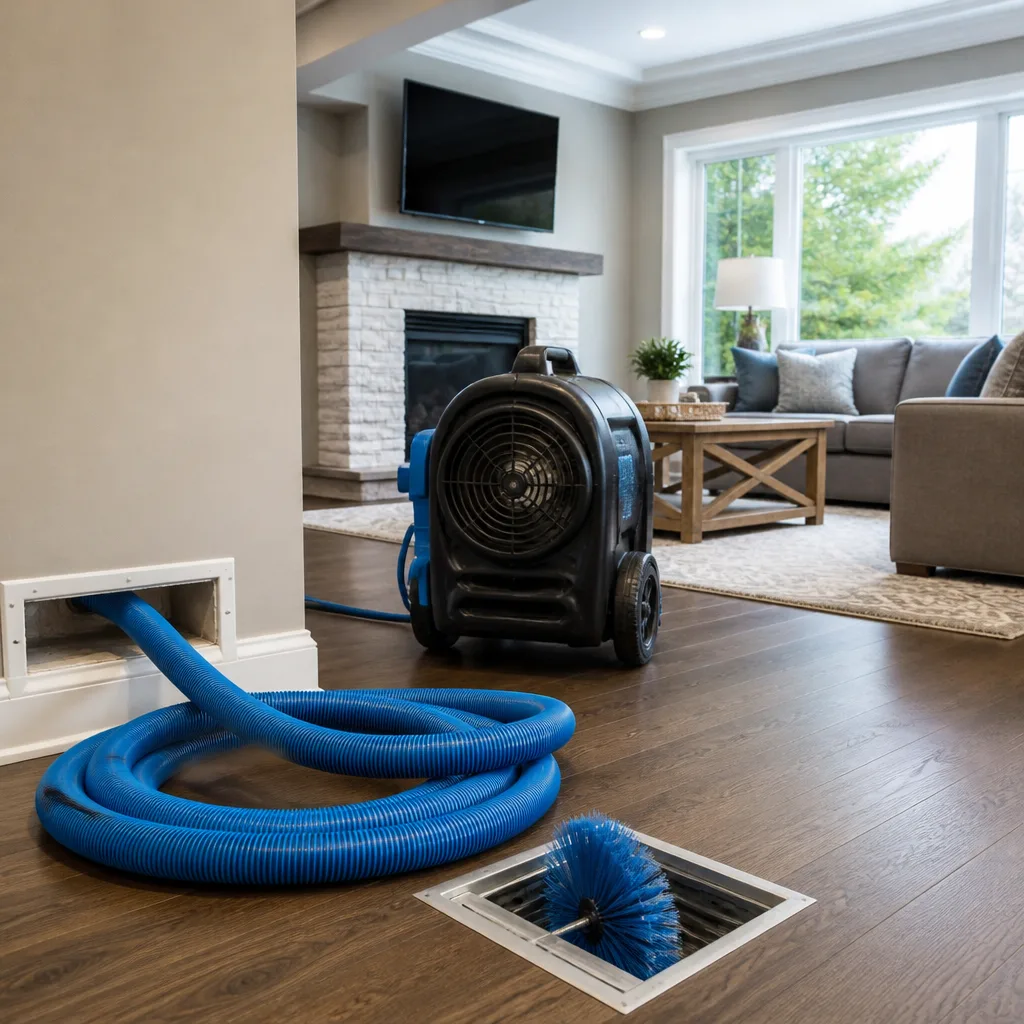 Whole-home duct cleaning
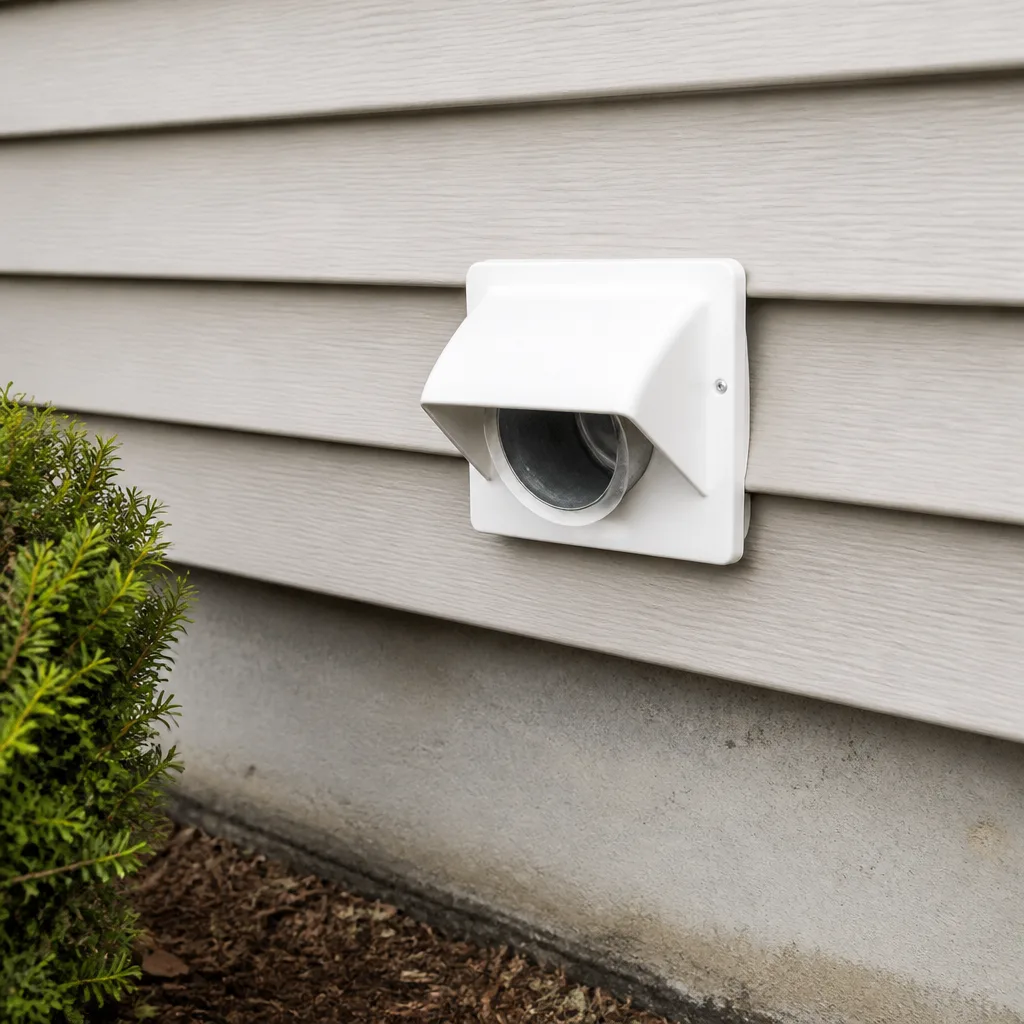 Dryer vent cleaning
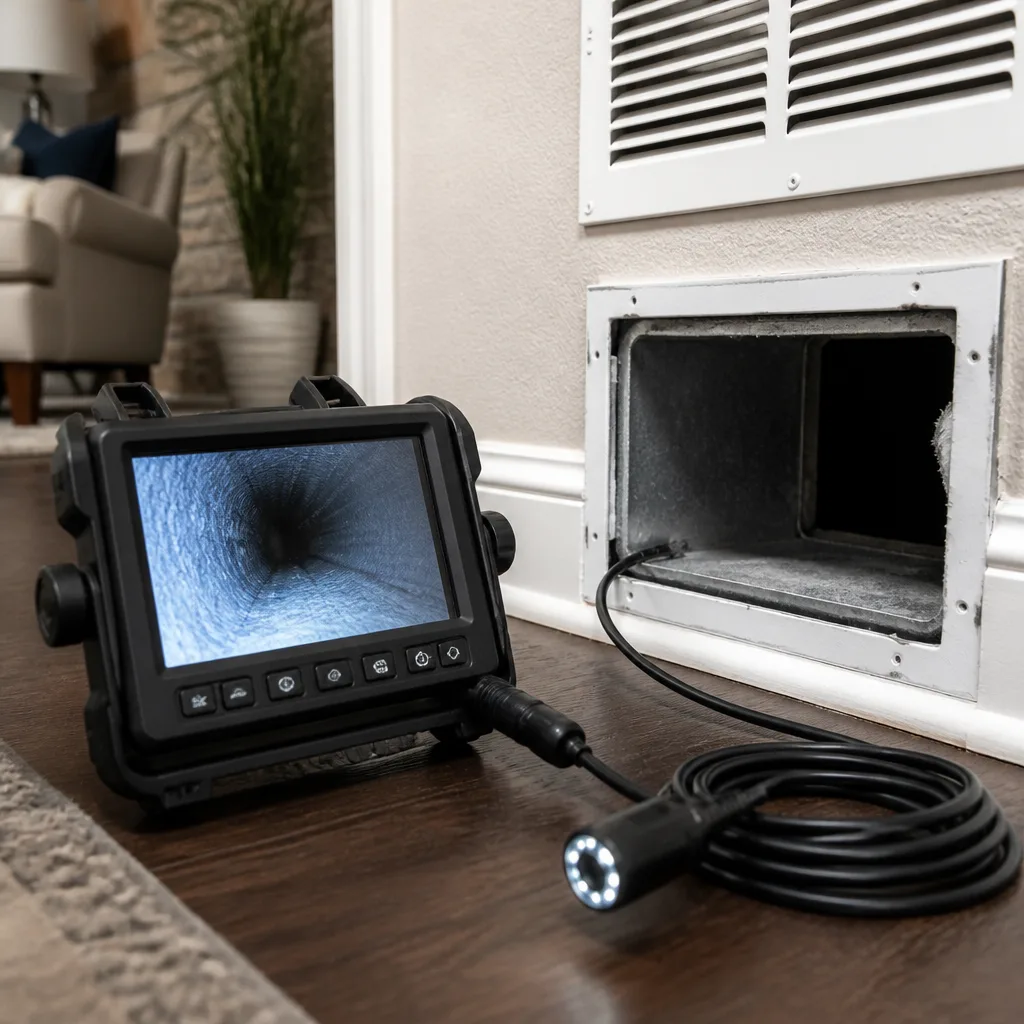 Camera inspection
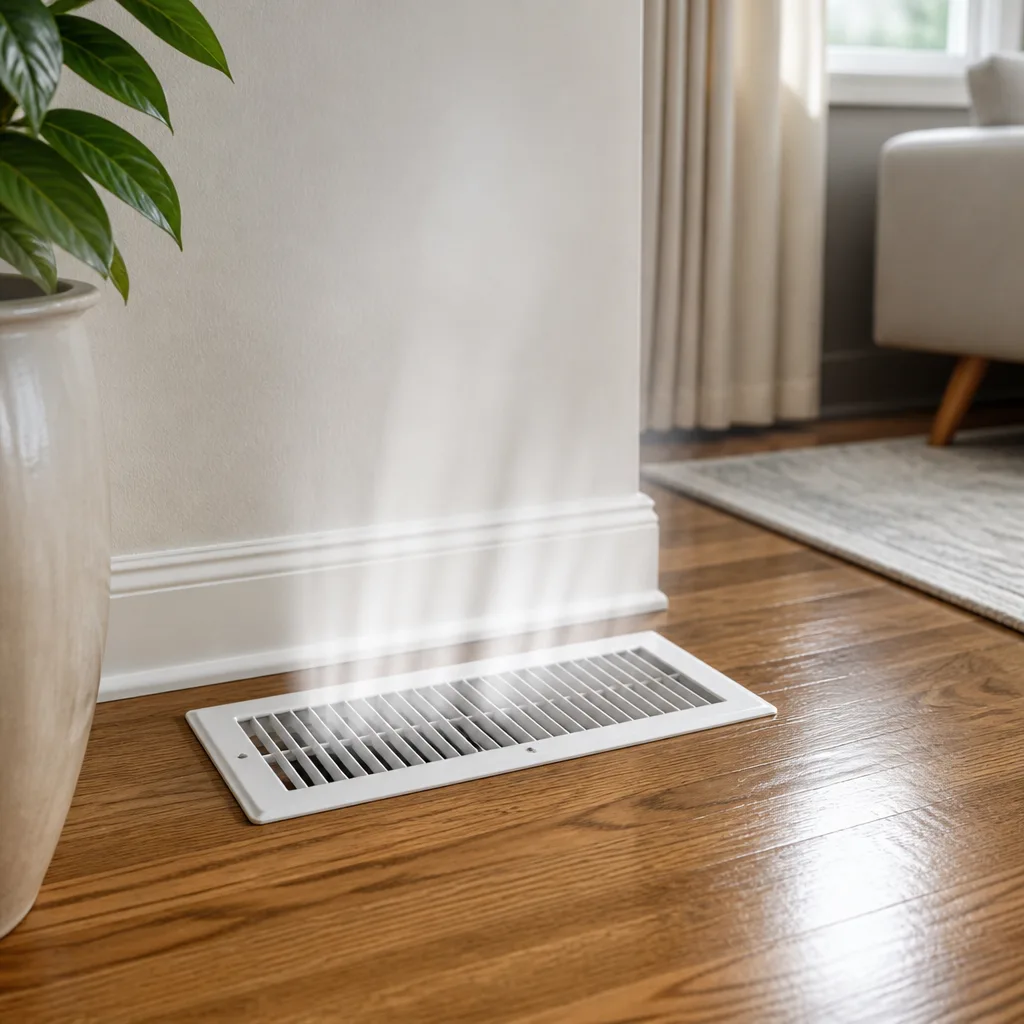 Sanitizing & deodorizing
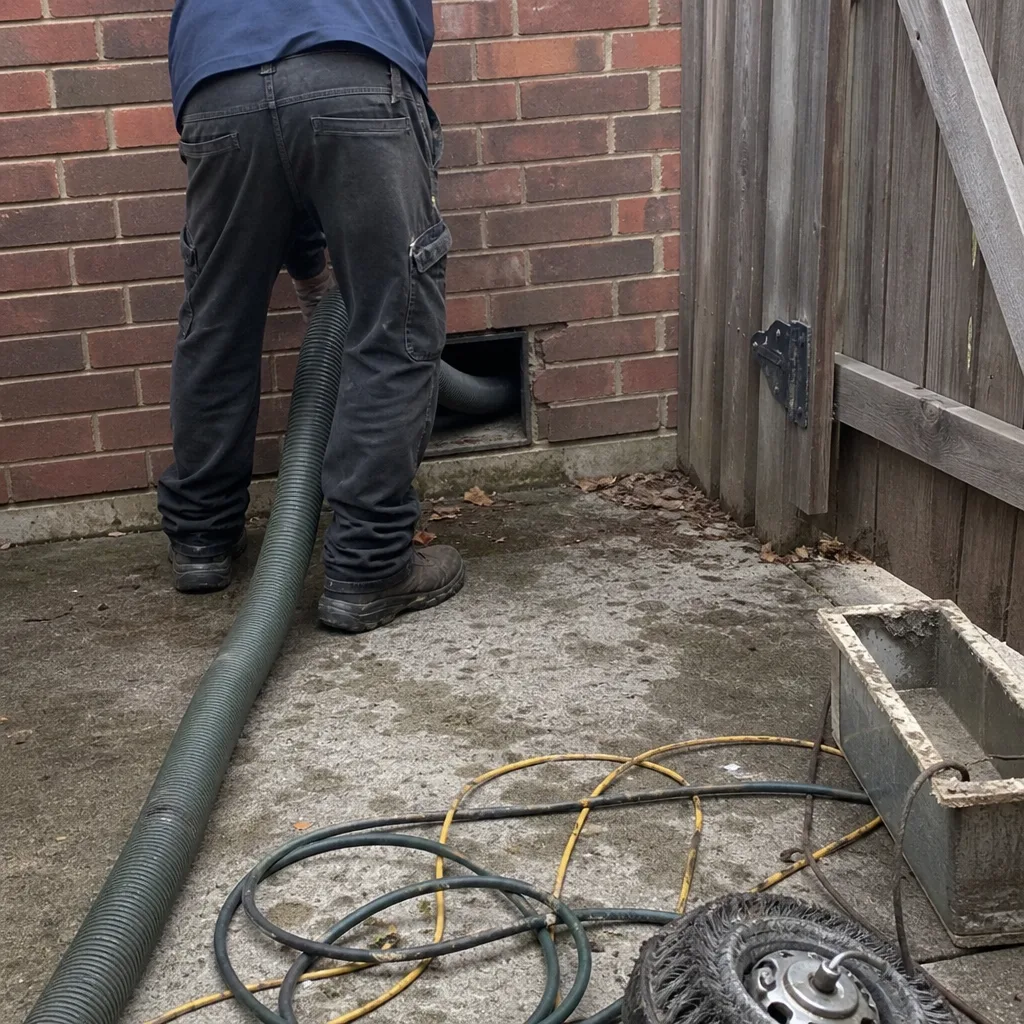
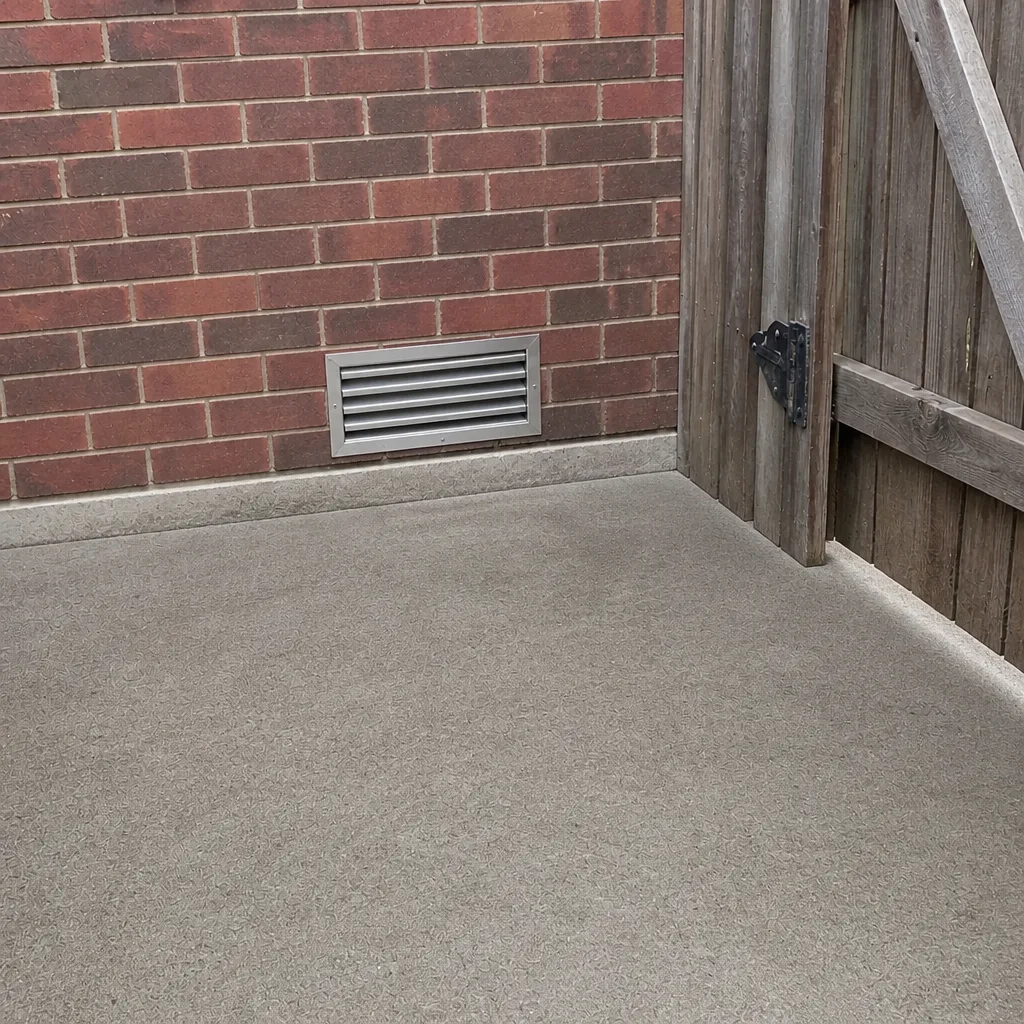
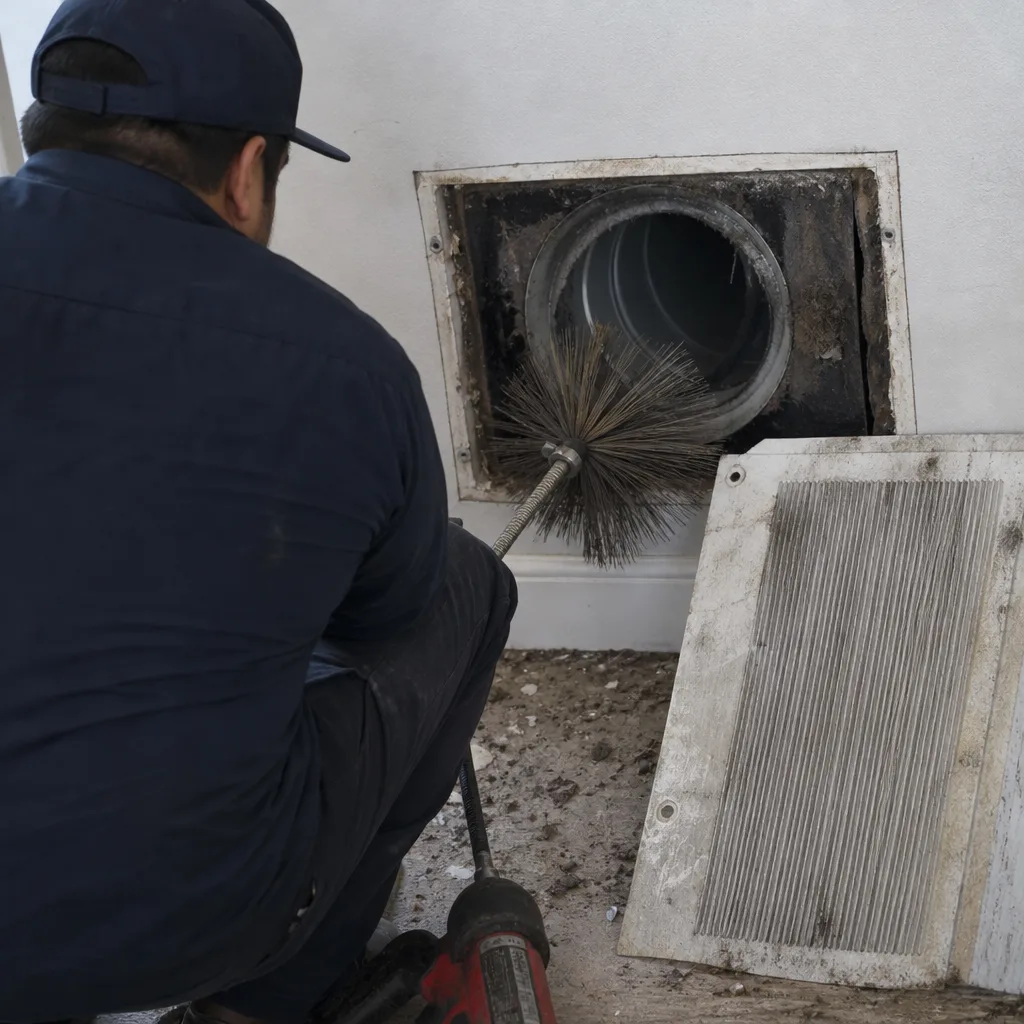
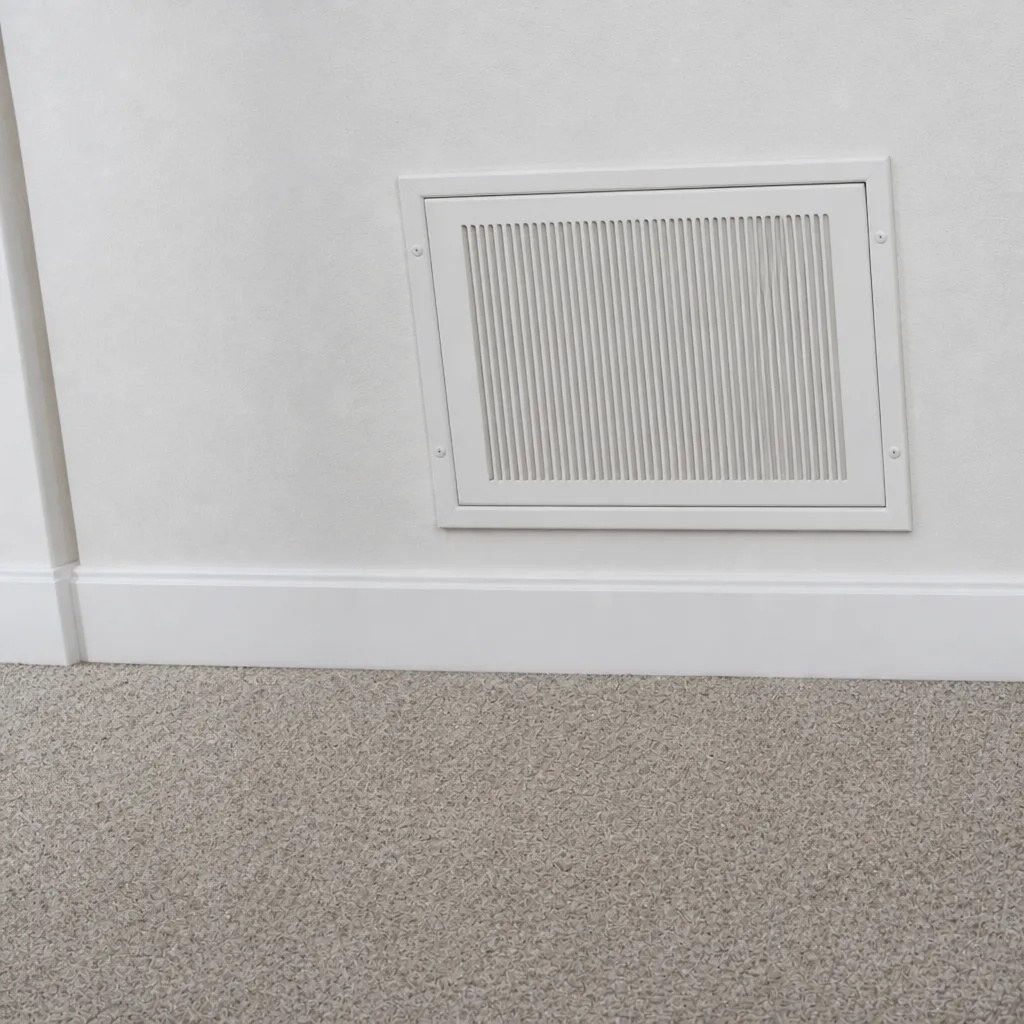
Whole-system duct and dryer vent check with before-and-after photos - you see exactly what came out of your vents
That "$99 whole-house special" is a bait ad - the real number appears once they are in your hallway, or the "clean" is a shop-vac at the register. We photograph the inside of your ducts before and after instead.
Choosing the Right Air Duct Cleaning Brand: A Buyer’s Guide for Richardson
Most people shopping for duct cleaning start with the brand name on the side of the truck. That’s the wrong first question. There’s no national franchise or widely advertised brand in this industry that guarantees equipment quality at the local level, which means a familiar logo can still pull into your driveway with a shop vac and a hose. The brand that matters is the one bolted to the machine: Rotobrush, Nikro, Abatement Technologies, Guardsman. In this guide we’ll show you how to read a quote by its equipment, how to ask the three questions that expose a thin operation in under a minute, and what a thorough job on a Richardson home actually looks like from the inside of the ductwork.
Quick Answer
The right air duct cleaning company in Richardson is the one that arrives with contact-vacuum or negative-pressure equipment rated for the job, agitates the ducts with a rotary brush or air whip rather than a passive hose, and can show you before-and-after photos of your own system. Ask for equipment names before you ask for a price. A company that can’t tell you what machines it runs, or names a generic shop vacuum, is not set up for a deep clean no matter how good the review page looks.
Styles & brands we work with
- Whole-home duct cleaning
- Dryer vent cleaning
- Camera inspection
- Sanitizing & deodorizing
Table of Contents
- Why the Company Name Matters Less Than the Machine
- Reading Equipment Names: Rotobrush, Nikro, Abatement Technologies
- Rotary Brush vs. Air Whip: What Each One Does
- Independent Specialist vs. National Franchise
- The Three Questions That Reveal Equipment Quality
- What Richardson Homes Throw at a Duct Cleaner
- Proof of Work: Photos, Repair, and Filtration
- Common Mistakes to Avoid
Why the Company Name Matters Less Than the Machine
Duct cleaning is one of the few trades where the brand on the invoice says almost nothing about what happens inside your walls. A national franchise sells its name to independent operators who buy in at the local level. Some of those operators invest heavily in equipment. Others buy the cheapest setup that satisfies the franchise agreement and spend their marketing budget on the yellow pages of the internet. The customer in Richardson sees the same logo either way.
That’s the structural problem. Brand reputation is a marketing asset, and marketing assets are cheap to license. Equipment is capital, and capital is expensive. When you evaluate a duct cleaning company by its name, you’re grading the cheaper of the two.
What actually separates a deep clean from a surface wipe is a short list:
- Source capture. A vacuum strong enough to hold the dust it loosens instead of blowing it into your living room.
- Agitation. A moving brush or air jet that scrapes debris off the duct walls. A static hose will not do this.
- Filtration. HEPA-rated capture or negative air pressure keeping fine particulate out of the air you’re breathing during the job.
- Access. Proper cutting and resealing of access holes rather than working through the register openings alone.
None of these show up in a company name. All four show up when you ask what equipment is coming to the house. That’s why the questions in this guide are about machines, not brands. For a broader look at how the service works in this market, see our overview of duct cleaning in Richardson.
Reading Equipment Names: What Rotobrush, Nikro, and Abatement Technologies Actually Mean
Equipment names are the closest thing this industry has to a nutritional label. Each name tells you something specific about how the work will be done and how deep the clean can reach. When a quote sheet lists them, read it. When it doesn’t, ask.
Rotobrush
Rotobrush is a purpose-built rotary brush system designed specifically for duct interiors. It’s not a repurposed vacuum cleaner. The machine pushes a rotating brush head through the duct run on a flexible shaft, scrubbing the walls as it goes while a vacuum pulls loosened debris back out. The rotary action is what lets it reach the surfaces a passive hose leaves coated. In our experience, a Rotobrush pass is the difference between “the air moves” and “the air moves clean.”
Nikro
Nikro makes HEPA-rated vacuum equipment used in professional remediation and restoration work. A Nikro unit on the job means the vacuum is capturing fine particulate at a rated efficiency rather than exhausting it back into the room. This matters most in homes where someone has allergies or asthma. Dust that has sat in a duct for years doesn’t leave quietly; it needs to be captured, not stirred.
Abatement Technologies
Abatement Technologies builds air filtration and negative-pressure equipment used in professional mold and contaminant remediation. When this equipment is deployed during duct cleaning, it creates a controlled work zone so the air in the rest of the house stays cleaner during the job than it was before the technician arrived. It’s the difference between cleaning a duct and cleaning a duct without making the living room worse first.
Guardsman
Guardsman covers duct sealing and repair materials used to close access points and restore compromised sections after cleaning. A company that carries it can finish the job properly rather than leaving taped-over holes behind.
These names are not exclusive deals or certifications. They’re tools. But a company that runs Rotobrush and Nikro has spent real money on professional equipment, and that investment tells you what it expects of its own work.
Rotary Brush vs. Air Whip: What Each One Does
Once you know the company uses professional-grade equipment, the next question is how it agitates the dust. Agitation is the part most homeowners never hear about, and it’s where cheap jobs fall apart. A vacuum alone will pull loose dust off the floor of the duct. It will not pull years of caked-on buildup off the walls. For that, you need something that scrapes.
Two agitation methods dominate the trade, and they suit different surfaces.
Rotary brush (Rotobrush-style)
- What it does: A spinning brush head scrubs the duct walls as it travels the run.
- Best for: Sheet metal ductwork, rigid runs, and anywhere buildup has bonded to the surface.
- Strength: Mechanical contact. It touches every inch of the wall it passes.
- Watch for: Flexible duct liner needs a controlled touch so the brush doesn’t damage the material.
Air whip
- What it does: Compressed air jets flail the interior with high-velocity blasts.
- Best for: Reaching around bends and into flexible duct where a brush struggles to follow.
- Strength: Coverage in awkward runs and tight turns.
- Watch for: It needs strong source capture running at the same time or the loosened dust escapes into the room.
The best setups use both, matched to the duct type. A company that only owns one method is telling you something about the homes it can and can’t clean properly. If your Richardson house has a mix of rigid metal trunk lines and flexible branch runs (many do), you want a crew that can switch tools mid-job.
Independent Specialist vs. National Franchise: The Structural Difference
This isn’t an argument against franchises as a category. It’s an argument about where the money goes. A franchise operator pays a royalty on revenue and often a marketing fee on top. An independent specialist keeps that margin and can spend it on equipment. Or not, which is why equipment questions still matter with a local company.
The pattern we see, and the one worth asking about when you compare quotes in Richardson, is what the operation is set up to do. A multi-trade HVAC generalist runs duct cleaning as one line item among many. Their equipment budget is spread across installation tools, refrigerant gear, and service vans. Duct cleaning gets whatever’s left. A dedicated duct and dryer vent specialist has one equipment category to fund, and the difference shows up in what rolls into the driveway.
A few structural signals to weigh:
- Service menu depth. A specialist does duct cleaning, dryer vent cleaning, and duct repair. A generalist lists those plus everything else.
- Repair capability. If a company can only clean, a disconnected or crushed duct run gets cleaned around instead of fixed. A specialist seals, patches, and restores, so the clean actually holds.
- Filtration standard. A company running Abatement Technologies equipment treats indoor air quality as the outcome, not the slogan.
- Dryer vent focus. A specialist markets dryer vent cleaning as a fire-safety service. A generalist treats it as an add-on after the duct job.
None of this guarantees a great job. It does tell you which company is likely to invest in the machines that make one possible. For what the service costs in this market and how estimates are structured, our guide to air duct cleaning walks through the whole-system approach.
The Three Questions That Reveal Equipment Quality Faster Than Any Review Site
You can learn more about a duct cleaning company in three questions than in an hour of review reading. Reviews tell you how the last customer felt. These questions tell you what equipment is coming and what your ducts will actually get.
Question 1: “What equipment are you bringing to my house?”
Listen for specific model names. Rotobrush, Nikro, Abatement Technologies, Guardsman. A company that answers with brand names is describing its equipment. A company that answers “professional equipment” or “the best in the business” is describing nothing. If the answer is a shop vac, thank them and call the next company.
Question 2: “Do you agitate the ducts, or just vacuum them?”
The correct answer involves a rotary brush or an air whip. The wrong answer is some version of “our vacuum is really strong.” A strong vacuum without agitation pulls loose dust and leaves the buildup. Ask specifically which method they use and whether they can match it to rigid and flexible duct.
Question 3: “How do I know the work was actually done?”
The right answer is before-and-after photos of your own system, not a generic brochure image. A company running proper filtration equipment can also tell you how it keeps your indoor air clean during the job. If they can’t answer both, you’ve learned what you needed to know. In our experience the companies that photograph their own work are the ones confident about what the camera will show.
Ask all three before you ask for a price. Price means nothing if you don’t know what you’re pricing. For the same three questions applied to the lint side of the house, and why that job matters more than most people think, see our dryer vent cleaning page.
What Richardson Homes Throw at a Duct Cleaner
Richardson sits on the eastern edge of the Dallas-Fort Worth metroplex, and the local climate works on ductwork in specific ways. Summers here are hot and long. Air conditioners run for months on end, and the ducts stay busy moving cooled, sometimes humid air through the house. That combination of constant use and moisture is a recipe for buildup, especially in homes with older flexible duct that has seen better days.
A few local conditions shape what a good duct clean involves:
- Long AC seasons. Ducts that run hard for most of the year accumulate dust and biological growth faster than in a mild climate. Annual evaluation makes more sense here than in a place where the AC runs a few months.
- Mixed duct types. Many Richardson homes have rigid metal trunk lines with flexible branch runs to the registers. The two need different agitation tools. A crew with only one method will clean one type well and skim the other.
- Age and renovation. Older neighborhoods and remodeled homes often have disconnected runs or crushed flex duct that a cleaning alone won’t fix. That’s where a company with repair capability makes the difference between a clean system and a clean-looking one.
- Seasonal allergens. Spring pollen and summer dust keep indoor air quality on people’s minds in Richardson. A home with allergy flare-ups benefits most from HEPA-rated capture during the job.
None of this is unique to a single street or subdivision. It’s what the local climate and housing stock do to ducts over time. If you’re new to the area or just getting oriented, you can read more about the city in our Richardson overview. And if you’re questioning whether your system needs the work yet, our guide to the air duct cleaning process covers how to judge the condition of your own system without booking a job.
Proof of Work: Photos, Repair, and Filtration
The gap between a good duct cleaning and a bad one is invisible after the technician leaves. Everything looks the same once the truck pulls away. That’s why proof matters more in this trade than in most others, and why you should ask for it before the work starts.
Before-and-after photos of your own ducts
This is the single most useful form of proof. Generic stock photos tell you nothing. Photos of your actual system, taken through the access openings before and after cleaning, show you what came out and what the interior looks like now. Ask upfront whether the company takes them. The ones that do have designed their process around being able to show it.
Repair capability on staff
A clean duct system that has a disconnected run is still a problem. Dust pulled from an open section can re-enter the living space and recontaminate the run you just paid to clean. A company that can seal, patch, and restore duct integrity as part of the visit prevents that. Ours is not subcontracted; the repair is part of the service. If your quote turns up a compromised run, ask whether they can fix it or only clean around it.
Filtration during the job
Dust that leaves the duct during cleaning has to go somewhere. HEPA-rated capture keeps it out of the air you’re breathing. Negative-pressure filtration units keep the rest of the house cleaner during the work than it was before. Both are standard parts of a serious indoor-air-quality job. A company that can’t name its filtration setup is asking you to trust that the dust didn’t end up in your furniture.
Filtration upgrades in the same visit
Duct cleaning is a good moment to look at the whole air-quality picture. Companies that install and service air-quality products can address the filter side while they’re already in the system. It’s not a requirement. It’s a sign the company thinks about indoor air as a system rather than a one-time hose pass.
Common Mistakes to Avoid
- Choosing on price alone. The lowest quote usually reflects the thinnest equipment. A cheap pass with a shop vac leaves the buildup and costs you the job twice.
- Trusting a logo over a machine. A familiar franchise name tells you nothing about what arrives at your door. Ask for equipment names first.
- Not asking about agitation. A vacuum without a rotary brush or air whip only removes loose dust. Years of bonded buildup stays on the walls.
- Skipping the duct repair question. If a run is disconnected or crushed, cleaning alone won’t fix it and can make it worse. Ask whether repair is on staff or subcontracted.
- Ignoring the dryer vent. Lint buildup is a fire risk, not a minor maintenance item. Treat it as a safety service and ask when it was last cleaned.
- Accepting no proof of work. Without before-and-after photos of your own system, you have no way to know what was cleaned. Ask before you book.
- Waiting until something smells wrong. Musty odors and allergy flare-ups are late signals. In a Richardson climate where the AC runs most of the year, evaluate your ducts before the symptoms start.
See the difference
 Before
 After
 Before
 After
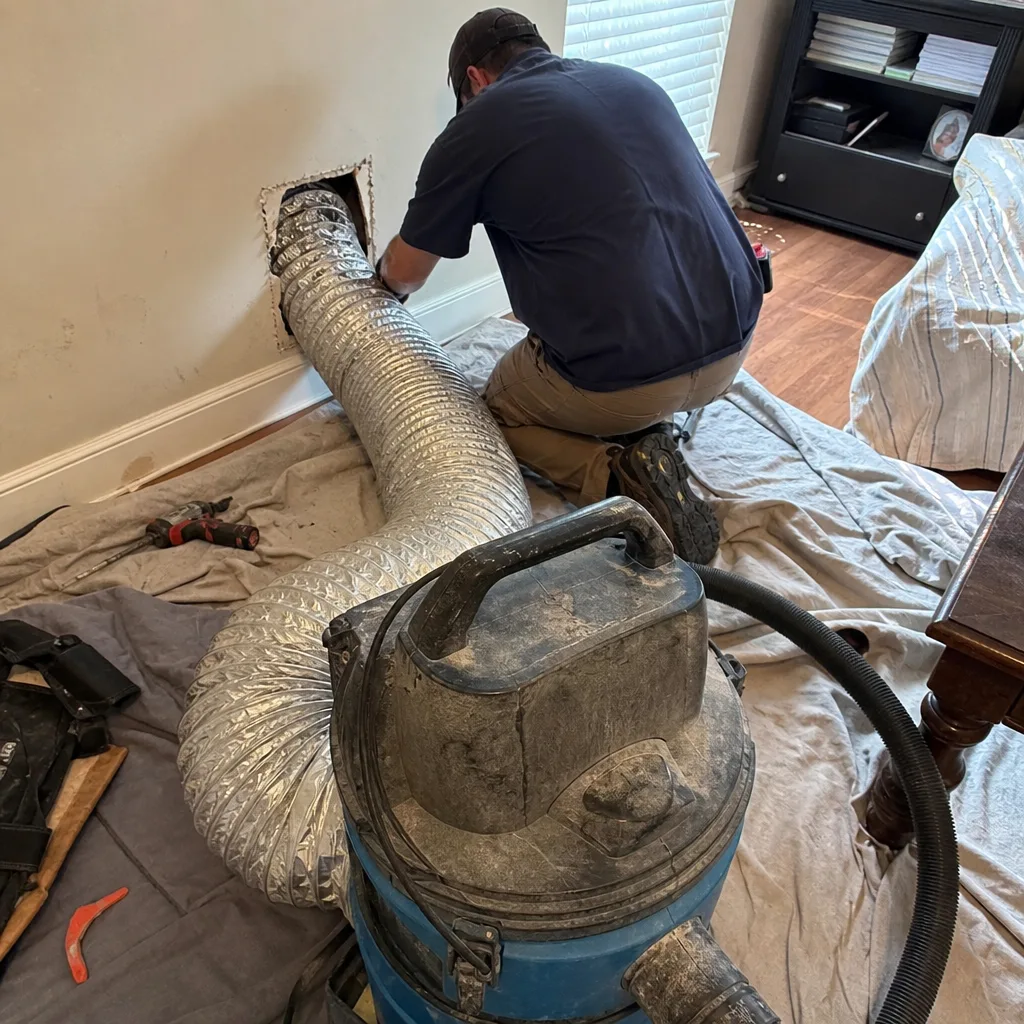 Before
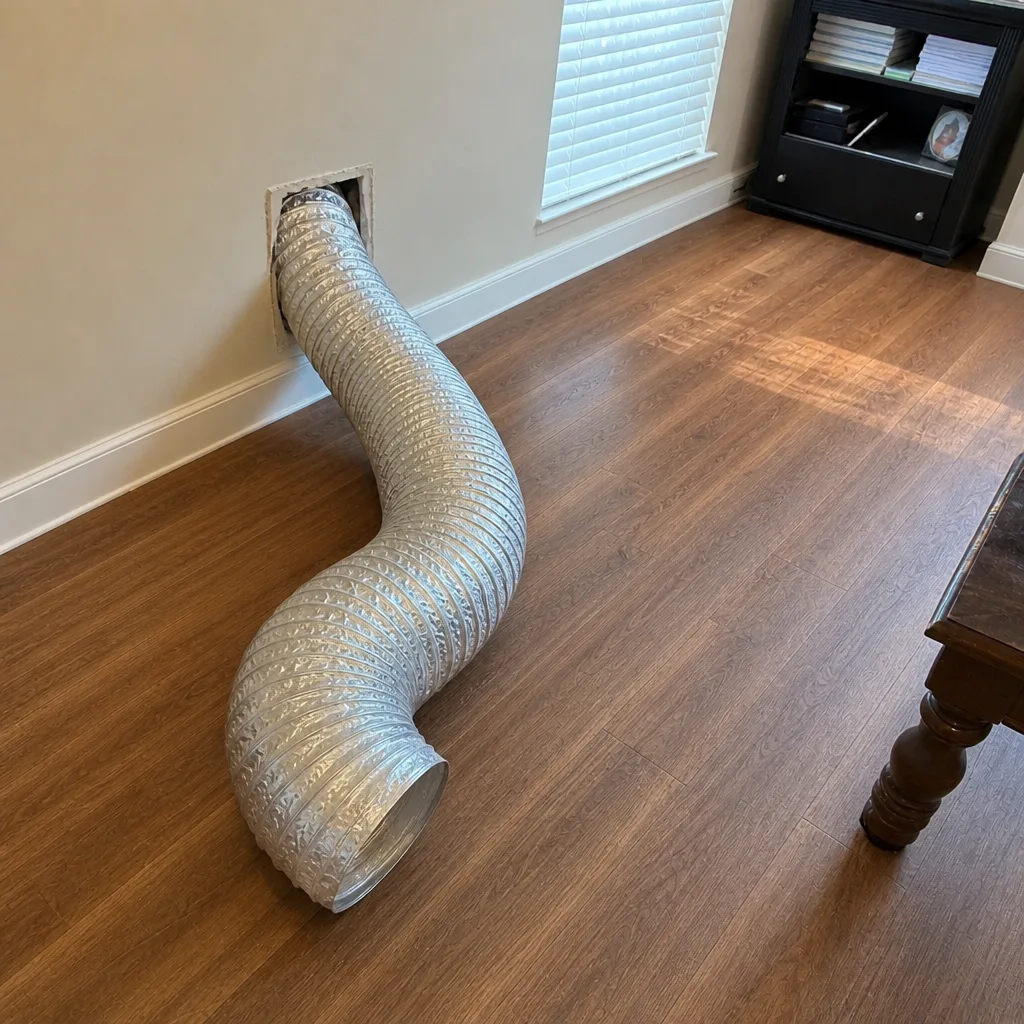 After
When to Call a Professional
Some duct work is a judgment call. Some isn’t. Call a professional when you notice musty odors coming from the registers, visible dust trails around the vents, or uneven airflow between rooms. Call when allergy or asthma symptoms flare up indoors and settle down when you leave. Call if the house has been remodeled recently, since renovation debris often ends up in the ductwork. Call if you’ve never had the ducts serviced and can’t tell when they last were. And call for the dryer vent regardless of how the ducts look; lint buildup is a safety issue that doesn’t announce itself. Duct Cleaning Richardson offers free estimates in Richardson. Call (877) 741-8677. We answer 24/7. Fast dispatch from 7am to 7pm, Sunday through Friday.
Frequently Asked Questions
The best company for your home is the one that arrives with professional-grade equipment, agitates the ducts rather than just vacuuming, and provides before-and-after photos of your own system. Brand names like Rotobrush, Nikro, and Abatement Technologies on the quote sheet are a reliable signal of equipment investment. Ask the three equipment questions before comparing prices. Call (877) 741-8677 for a free estimate with Duct Cleaning Richardson.
Ask them to name the machines. A company running Rotobrush rotary-brush systems and Nikro HEPA-rated vacuums can tell you exactly what’s coming to the house. A company that answers with vague language or names a shop vacuum is not set up for a deep clean. The names are not secrets; they’re the point.
Yes, for most homes that haven’t been serviced in years. The long, hot summers mean the AC and ductwork run hard for most of the year, which accelerates dust and biological buildup. Homes with allergy concerns, musty odors, or recent renovations see the most benefit. The local climate makes periodic evaluation more useful than in milder parts of the country.
Cheap quotes usually reflect cheaper equipment: a shop vac instead of a rotary brush and HEPA vacuum, no filtration during the job, no agitation, and no proof of work. You’re paying for a pass-through, not a deep clean. The price looks better until the buildup is still there. Call (877) 741-8677 for an estimate based on what the job actually involves.
Ask for before-and-after photos of your own ductwork, taken through the access openings. A company confident in its equipment will take them without being asked twice. If the only proof offered is a generic brochure image, you don’t have proof. The photo of your own system is the one that counts.
It’s worth considering, since both are part of the same air and safety picture. Dryer vent cleaning is a fire-safety service, not an afterthought. Lint buildup in the vent is a real risk regardless of how the ducts look. Scheduling both together is efficient, but the dryer vent should be cleaned on its own schedule if it’s been more than a year.
The Bottom Line
Brand selection in duct cleaning is equipment selection. The company name on the truck matters far less than the machines in the back, and the questions that reveal those machines take less than a minute to ask. Look for Rotobrush rotary-brush agitation, Nikro HEPA-rated capture, filtration equipment deployed during the job, and repair capability on staff. Ask for before-and-after photos of your own system. In a Richardson climate where the AC runs most of the year, the depth of the clean determines what you actually breathe. If you’d rather skip the guesswork, call (877) 741-8677. We answer 24/7. Fast dispatch from 7am to 7pm, Sunday through Friday. Estimates are free, and we’ll walk you through the equipment before the work starts.
Written by the team at Duct Cleaning Richardson.