
Last updated November 15, 2026
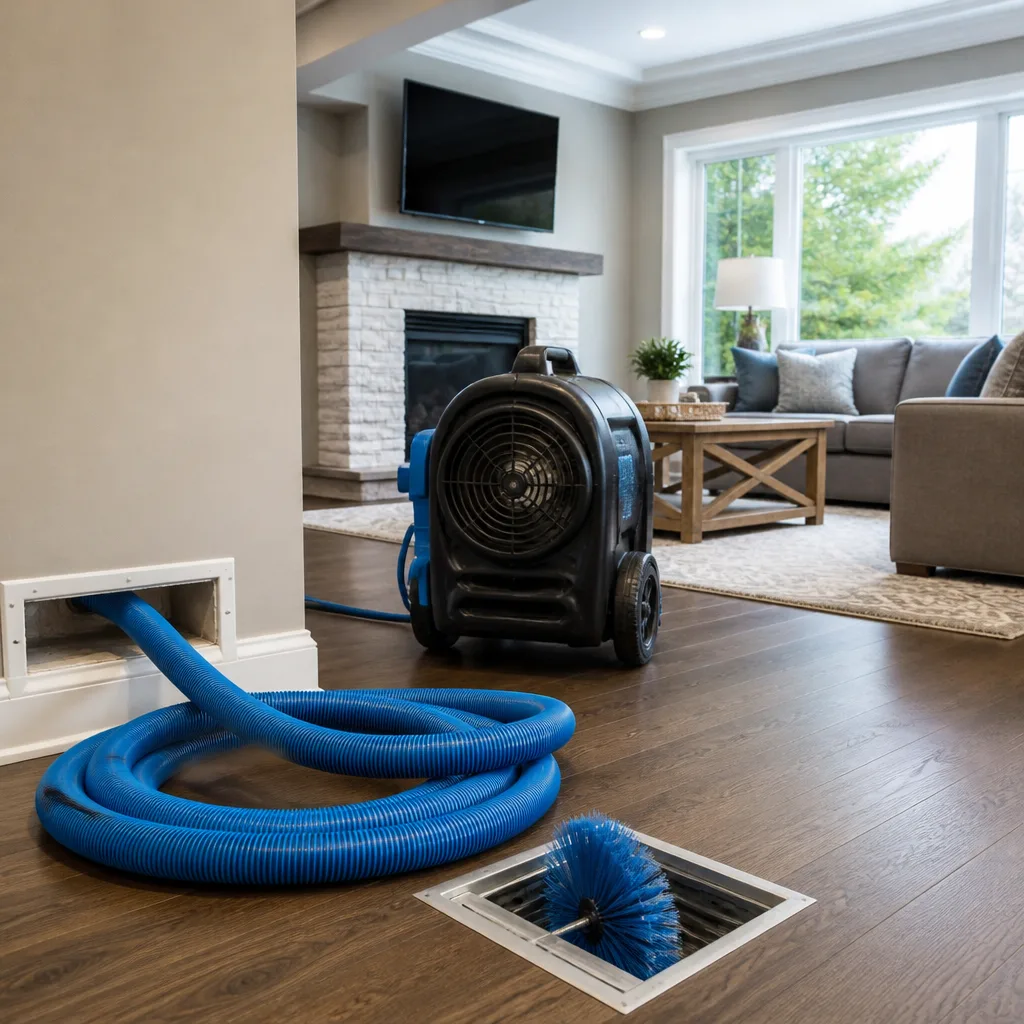 Whole-home duct cleaning
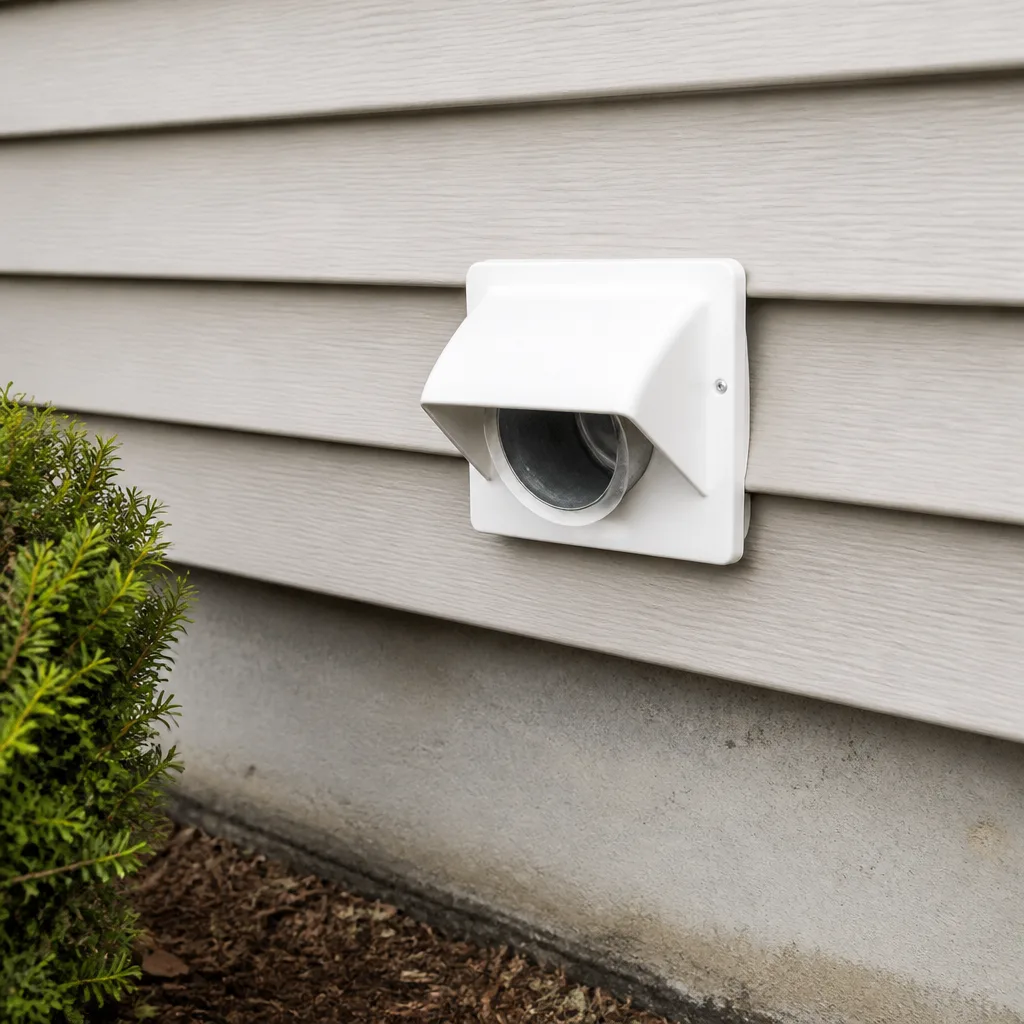 Dryer vent cleaning
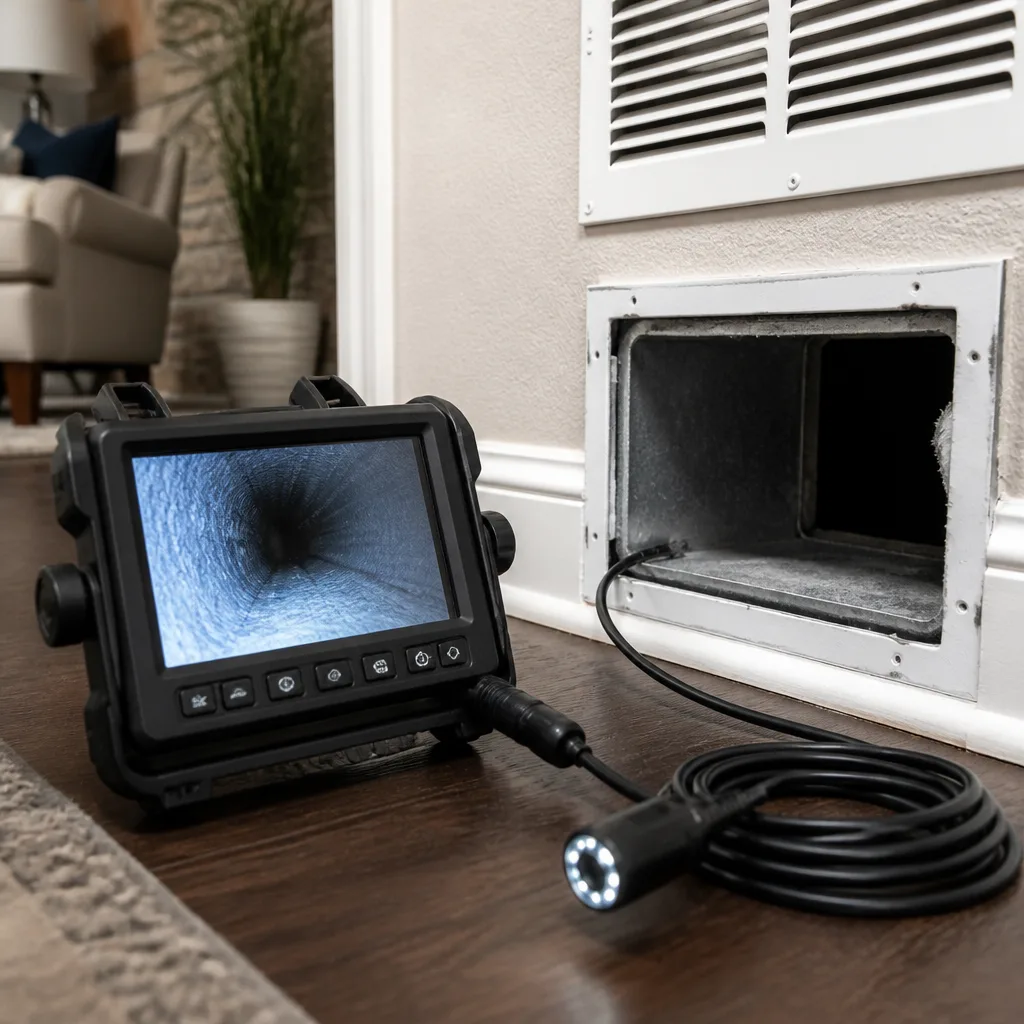 Camera inspection
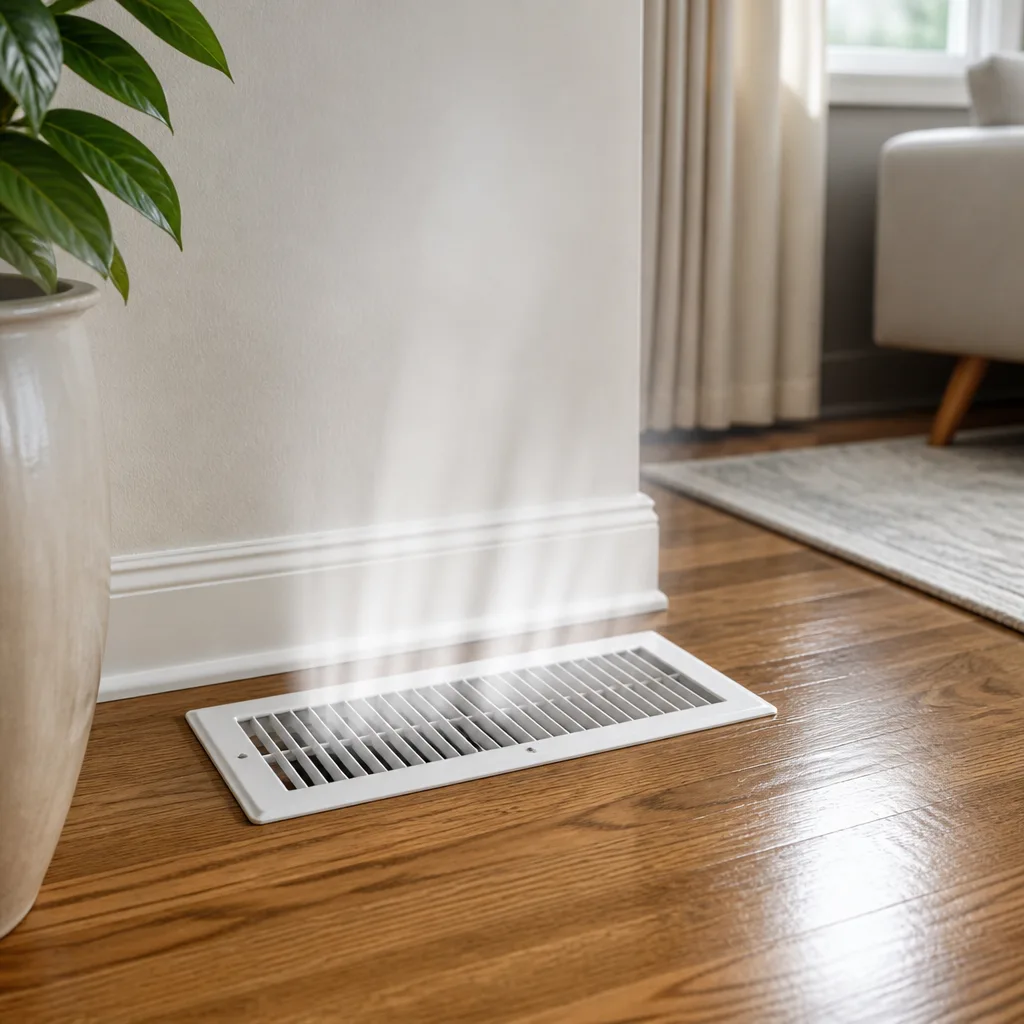 Sanitizing & deodorizing
Whole-system duct and dryer vent check with before-and-after photos - you see exactly what came out of your vents
That "$99 whole-house special" is a bait ad - the real number appears once they are in your hallway, or the "clean" is a shop-vac at the register. We photograph the inside of your ducts before and after instead.
Air Duct Cleaning Warning Signs: A Richardson Homeowner’s Reference Guide
Dust on your supply registers is the last warning sign you’ll see, not the first. By the time a gray film is visible at the vent face, the interior duct surface has usually been building that load for months, and the register itself is only where the debris finally settles. Most Richardson homeowners read that dust as “the house is dusty” and reach for a vacuum or a filter upgrade. That’s the wrong fix for the wrong problem. This guide walks through the signals that actually point to duct contamination, the ones that point to a different fix entirely, and how to tell them apart.
Quick Answer
Air ducts in Richardson homes usually need cleaning when you notice debris ejecting from a register on startup, a musty smell the first time the system runs each day, or a persistent temperature gap between rooms that has gotten worse over time. Visible dust on the vent face alone is a late indicator, and it often points to the register rather than the duct interior. Musty odors, uneven airflow, and allergy spikes tied to HVAC runtime are the earlier and more reliable signals.
Styles & brands we work with
- Whole-home duct cleaning
- Dryer vent cleaning
- Camera inspection
- Sanitizing & deodorizing
Table of Contents
- Dust on the Register Face vs. Debris Ejecting From the Duct
- Musty Odors on First HVAC Startup: Growth or Settled Dust?
- Uneven Room Temperatures: Blockage, Not Sizing
- Pet Dander and Allergy Spikes Tied to HVAC Runtime
- Dryer Vent Warning Signs Homeowners Confuse With Duct Problems
- How Duct Contamination Builds: A Timeline
- How to Check Your Own System: A Short Walkthrough
- Richardson Climate and Housing: Why Ducts Here Load Up Fast
Dust on the Register Face vs. Debris Ejecting From the Duct
These two look similar in a photograph and mean completely different things. A register face with an even gray haze is usually a surface issue. A register that launches a puff of particles the moment the blower kicks on is a duct-surface issue. The distinction matters because one is solvable with a wipe-down and the other is not.
To tell them apart, watch the register as the system starts. Turn the thermostat off, let the fan stop completely, then watch while the system comes back on.
- Nothing visible. Airflow is clean. Wipe the register monthly and you’re done.
- A faint puff, then clear. Some settling near the boot, usually minor.
- A visible cloud for several seconds. Debris is sitting on the interior duct surface and being re-suspended every cycle.
- Debris falling from the grille onto the floor or furniture below. That’s accumulated material inside the run, and it needs professional extraction.
Richardson homes built in the 1980s and 1990s frequently have rigid sheet-metal trunk lines with long flex branch runs, and the flex runs tend to sag toward the boots. Sagging is where debris settles. A homeowner in the Heights Park area who sees dust drift from a ceiling register every time the unit cycles is often looking at a low spot in the run, not a dirty room. If you already have professional air duct cleaning on your radar, this is the single most useful thing you can observe before you call anyone.
What you shouldn’t do is interpret register dust as proof the whole system is clean or dirty by itself. It’s one data point. The full picture comes from a handful of signals together.
One more note. The register face collects dust from the room too. A register under a ceiling fan, near an open window, or above a carpeted area will show more surface dust than one in a low-traffic hallway. Comparing register to register across a house is more informative than judging one on its own.
Musty Odors on First HVAC Startup: Growth or Settled Dust?
The smell you get in the first few minutes of a cooling cycle each day is the most misread warning sign in the trade. Homeowners describe it as “that dusty smell” and assume it’s harmless. Sometimes it is. Sometimes it’s a sign of moisture-driven growth on the evaporator coil, in the drain pan, or on the interior duct liner, and the fix isn’t cleaning the ducts alone.
Read the smell carefully:
- Dry, dusty, chalky. Usually settled dust being disturbed. Cleaning addresses it.
- Damp, musty, like a basement. Points toward moisture somewhere in the system. Cleaning the ducts without finding the moisture source is a temporary fix.
- Sharp, chemical, or like old paper. Often a sign of material breakdown in the duct liner. Worth a physical inspection rather than a cleaning quote alone.
- Smell only in certain rooms. Local to that branch run, not the whole system.
Richardson’s climate creates a specific pattern here. Long stretches of hot, humid summer air mean the cooling coil and drain pan stay wet for most of the year, and that’s where musty odors usually originate. If the smell is strongest right at startup, that’s when the fan hits the coil with moving air for the first time since the last cycle. Run the fan alone for ten minutes on a clean day and note whether the smell fades. If it does, the ductwork is likely the source. If it fades but comes back stronger the next cycle, look at the coil and pan.
We’ve seen this pattern often enough to notice the difference: homes where the musty smell is strongest during cooling season and softens in the cooler months are usually dealing with moisture at the coil, not deep dust in the duct runs. That distinction matters because it changes what needs to happen next. Real air duct cleaning removes settled debris, but it won’t stop ongoing moisture. That requires a closer look at the drain pan and coil, which we can do during the same visit.
If the smell is persistent and strong, don’t keep running the system on it. Get it looked at.
Uneven Room Temperatures: Blockage, Not Sizing
A room that runs three or four degrees warmer than the rest of the house is usually diagnosed as a sizing problem, and sometimes it is. But if the house was ever comfortable and now isn’t, sizing hasn’t changed. Something in the delivery path has.
Walk the system and check the static pressure imbalance. A partially blocked duct run doesn’t send less air to just one room; it shifts the pressure balance across the whole trunk, so the room that was fine becomes the problem.
Signs that uneven temperatures point to duct issues rather than HVAC sizing:
- The gap appeared slowly, over months, not from the first day the house was built.
- The affected room has good airflow but the air isn’t cool or warm.
- The room furthest from the air handler is warmest in cooling season, and the gap widens as the system runs.
- You hear a hiss or whistle at a register when the system starts.
- Closing other registers in the house improves the weak room’s comfort noticeably.
The hiss and whistle are worth explaining. They happen when air is forced through a restriction and the velocity rises. That restriction is either at the register itself, which you can check by removing the grille and observing, or in the run behind it, which requires a camera or a technician’s inspection. In Richardson homes with original 1990s ductwork, disconnected or sagging runs are common in the attic where summer heat and years of expansion cycles have worked the joints loose.
Restrictions to check yourself before calling: closed or blocked registers in the room, furniture or curtains covering a return grille, and a return filter that’s overdue for replacement. Rule those out first. If the room is still stubborn, the problem is deeper in the duct envelope, and the fix is often a repair, not a cleaning alone.
Pet Dander and Allergy Spikes Tied to HVAC Runtime
If you’ve noticed your allergy symptoms get worse in the hours after the HVAC starts running, or you have a family member whose symptoms track the thermostat cycle, that’s a pattern worth documenting. It’s one of the most reliable indicators that duct contamination is playing a role in indoor air quality.
Here’s how to identify the pattern rather than guess at it:
- Keep a simple log for seven days. Note the hours the system runs and the hours symptoms are worst for anyone in the house.
- Note which rooms the symptoms are worst in. If it’s the bedrooms rather than the living areas, look at the supply runs feeding those rooms.
- Check whether a filter change or a filter upgrade shifted the pattern. If a better filter helps a little but doesn’t fix it, the issue isn’t only filtration.
- Look at the return grilles. Pet hair collects at returns first because that’s where the system pulls air in with the greatest volume.
Pet dander is fine, oily, and sticks to surfaces inside the duct. It’s not the kind of dust that a shop-vac hose can reach. Removing it requires brush agitation against the duct interior followed by HEPA-rated vacuum capture. That’s exactly the combination our Rotobrush rotary brush and Nikro HEPA-rated vacuum provide on every job. The brush breaks the dander film loose and the vacuum traps it at the source, rather than just stirring it into room air.
For households in the Richardson area with multiple pets or anyone with a diagnosed respiratory condition, this is usually the signal that gets people to act. Cleaning alone helps; cleaning plus an upgraded whole-home filtration system helps more. We supply and install Honeywell and Aprilaire whole-home air quality products, which means the same visit can address both the cleaning and the filtration upgrade rather than treating them as separate projects.
Dryer Vent Warning Signs Homeowners Confuse With Duct Problems
Dryer vent obstruction and duct contamination get mixed up constantly because the symptoms overlap and both live in “the ducts” as far as a homeowner is concerned. They are different systems and different hazards. Dryer vent obstruction is a fire risk. Air duct contamination is an air quality risk. Both are worth taking seriously, and neither is fixed by the other.
Signs that point to the dryer vent rather than the air ducts:
- Clothes take longer than one cycle to dry, and the gap grew over time.
- The dryer exterior feels hot to the touch during operation.
- Laundry comes out warmer and more wrinkled than it used to.
- A musty or burnt smell near the dryer, not near the air registers.
- Lint visible around the dryer collar or the exterior vent flap.
- The exterior vent flap opens weakly or doesn’t open at all.
Signs that point to the air duct system instead:
- Musty odor at supply registers in the first minutes of a cooling cycle.
- Debris ejecting from a register on startup.
- Uneven temperatures from room to room.
- Allergy symptoms tied to the HVAC cycle rather than to laundry.
The dryer vent is a narrow, single-purpose line that carries hot, humid, lint-filled air out of the house. Lint accumulates against the duct walls and, over years, can narrow the vent significantly. In Richardson, where many homes are single-story and the dryer vent runs through the attic or under the slab, the vent run can be twenty feet or more. Longer runs accumulate lint faster. That’s the code-recognized safety service we take most seriously, and we treat dryer vent cleaning as a priority service in its own right, not an add-on afterthought.
If you’re unsure which system is the problem, check both. Lint in the exterior vent flap tells you the dryer vent is the one to address first. If the flap is clean and the dryer runs a normal cycle, look at the air ducts.
How Duct Contamination Builds: A Timeline
Duct contamination doesn’t happen overnight. It builds in a predictable sequence, and knowing the sequence helps you recognize where your own system is in the process.
- First months: construction dust, drywall particles, and sawdust from any remodel settle in the horizontal trunk runs and behind the boots. Newly built or recently renovated homes in Richardson often have more of this than the homeowner expects. A new build isn’t a clean system.
- First year: dust from daily life, pet dander, and cooking particles accumulate on the duct interior. Your furnace filter catches a good portion of it, but not the fine fraction or anything that settles before the filter.
- Years two to five: the accumulated layer thickens and becomes less prone to staying put. Every time the system starts, air velocity disturbs the settled material. That’s when residents begin to notice the puff of debris at register startup.
- Years five to ten: the material inside the duct has become a habitat question rather than just a dust question. Anywhere in the system with moisture, whether a bad joint, a coil drain issue, or condensation on an uninsulated run in a hot attic, becomes a place where biological growth can establish.
- Beyond ten years without service: most Richardson ducts are heavily loaded and likely have at least one compromised run. This is often when the problem has to be treated as both a cleaning and a repair project.
The takeaway is that duct cleaning isn’t an emergency service. It’s a maintenance service with a long buildup curve. But once you’re seeing multiple warning signs together, the system has moved past the point where simple observation is enough. “We clean it, we can fix it” is the practical advantage of what you want when you get to that point. Most cleaning-only outfits will tell you the ducts are clean and move on. If the joints are loose or the trunk has separated somewhere, you’ve paid for a cleaning that will start re-contaminating the moment it’s finished.
How to Check Your Own System: A Short Walkthrough
This isn’t a DIY cleaning instruction. It’s an observation walkthrough that gives you information to bring to a professional, and it will tell you whether the calls you’re about to make are the right ones.
- Walk to the return grille first. Look at what’s collected on the grille face and behind it. Fine gray dust is normal. Hair, pet fur, or matted material is not.
- Run the system and watch one supply register. Stand back far enough to see the air. Puffs, drifting particles, or visible dust moving through the light means the interior is loaded.
- Check the filter. If it’s a cheap fiberglass filter that hasn’t been changed since last season, the ducts have received whatever the filter missed. That filter’s been doing less work than you thought.
- Go to the attic or crawl access point and look at the duct runs. You’re not inspecting the interior. You’re looking for sagging flex runs, disconnected joints, tape that’s peeling, or runs that have fallen off their supports. Any of those is a repair issue, not a cleaning issue.
- Check the exterior dryer vent flap while the dryer runs. It should open fully and hold open while the dryer is running. Weak opening or lint at the collar means it needs attention.
- Look for a moisture trace. Water stains near the air handler, condensation on duct insulation, or a damp smell in the mechanical closet all matter.
- Log your observations in one note. Date, time, which register, what you saw, and whether it happened once or repeatedly.
That record is worth more than a memory when you call. A technician who knows which room, which register, and which condition you observed can plan the right job before arriving. A technician working from “I think the ducts might be dirty” has to spend the visit on discovery. Neither is wrong, but the first saves you time.
What you shouldn’t attempt is opening a supply run to inspect or dislodge the interior with your own vacuum. A shop-vac’s filter won’t capture fine particulates, and dislodging a settled layer without containment just redistributes it into room air. That’s the difference between professional-grade equipment and a workaround.
Richardson Climate and Housing: Why Ducts Here Load Up Fast
The housing and climate in Richardson create a specific pattern of duct wear, and it’s worth understanding because it explains why a house here can develop contamination faster than friends in other parts of the country expect.
Summers here are long and hot, so the air conditioning system runs a huge percentage of the year. Longer runtimes mean more air volume through the ducts, more debris captured and then re-suspended, and more cycles of expansion and contraction on every joint. That’s the reason Richardson ducts often show one or two disconnected or sagging runs within the first ten to fifteen years, particularly in the attic where summer heat is hardest on the insulation and flex.
Most Richardson housing stock from the 1970s through the 1990s was built with rigid trunk lines and flex branch runs. Rigid metal is durable but collects settled debris on the flat bottom of the trunk. Flex runs are easy to install and prone to sag between supports, which creates a low spot where fine dust settles and stays. Newer construction is often all-flex, which reduces the rigid-trunk debris problem but makes the sagging problem more relevant across every run.
Winters are mild here, and that matters too. Heating runs a shorter portion of the year, so the contamination that builds is predominantly a cooling-season phenomenon. If the warning signs you’re noticing only show up during cooling season, that’s not a coincidence. It’s the pattern Richardson’s climate produces.
Homes near the older neighborhoods of Richardson, the Heights, and Prairie Creek often have decades of dust history behind the drywall. Newer subdivisions further north are catching up faster than their owners expect because they’ve run through several cooling seasons at near-continuous runtime. Neither type of home is inherently a duct-cleaning candidate. It’s the warning signs that determine whether the timing is right.
Common Mistakes to Avoid
- Judging the system by the register alone. A dusty register face doesn’t mean the ducts are loaded, and a clean register doesn’t mean they aren’t. The interior surface is what matters, and only the puff test and a physical look give you that information.
- Treating a musty smell as harmless. A dry, dusty odor is easy to dismiss. A musty or damp odor usually points to a moisture source inside the system, and cleaning the ducts without addressing the moisture won’t stop the smell. Find the source first.
- Assuming uneven temperatures mean the AC is undersized. If the house was ever comfortable and now isn’t, sizing hasn’t changed. Something in the delivery path has, and the answer is often a disconnected or sagging run in the attic, not a new unit.
- Upgrading the filter and stopping there. A better filter (Honeywell or Aprilaire, for example) is worth having, but it only catches what passes through it. Contamination already settled in the ducts stays there. Filtration and cleaning are two different jobs.
- Calling a generalist HVAC contractor for duct work. A shop-vac hose and a general-purpose truck isn’t the same equipment as a dedicated rotary brush and HEPA capture system. Duct cleaning depth comes from the tooling, and the tooling is what a specialist brings.
- Ignoring the dryer vent because the dryer still works. Reduced dryer performance is a symptom, not the whole story. Lint accumulation in the vent run is a fire risk regardless of how the dryer performs.
- Cleaning without repairing. If a duct run is disconnected, sagging, or torn, a cleaning will re-contaminate quickly. Duct repair and duct cleaning are separate jobs, and the repair has to come first or alongside it if the cleaning is going to stick.
See the difference
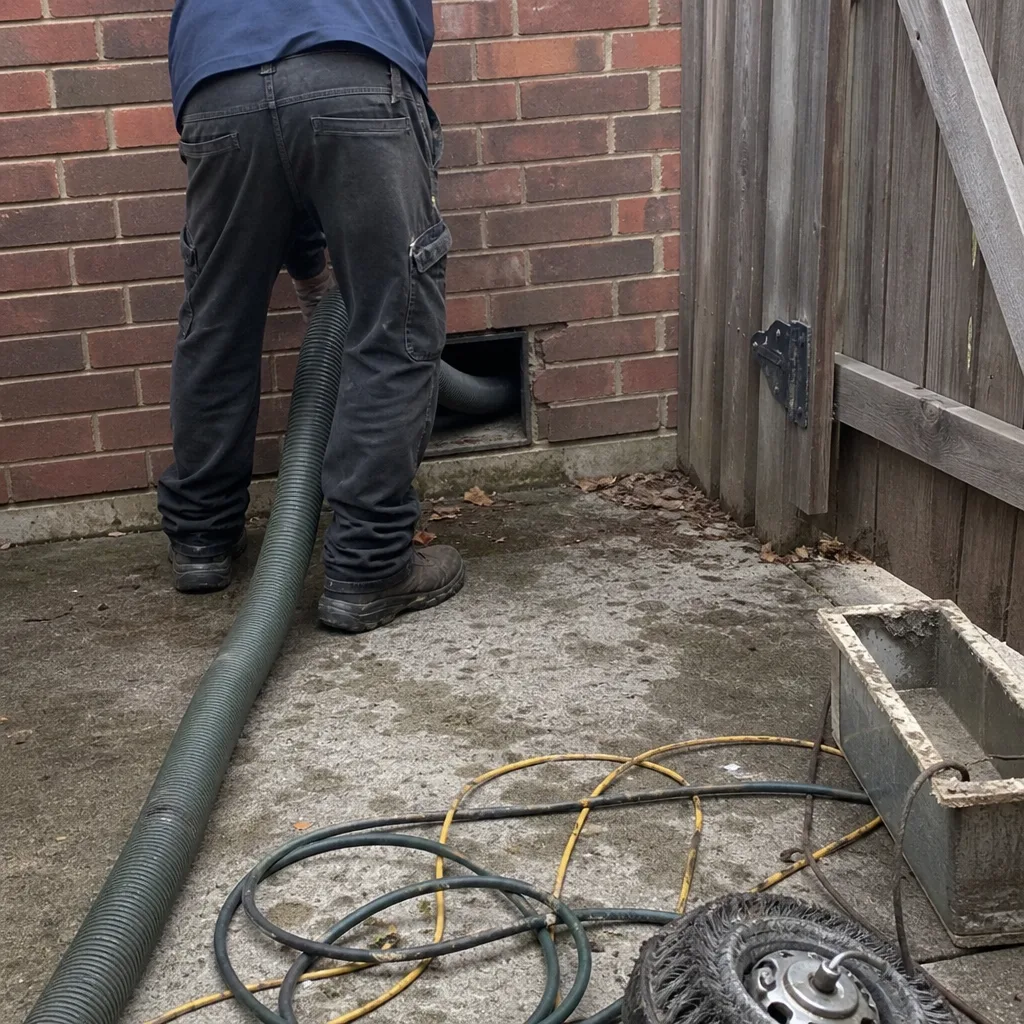 Before
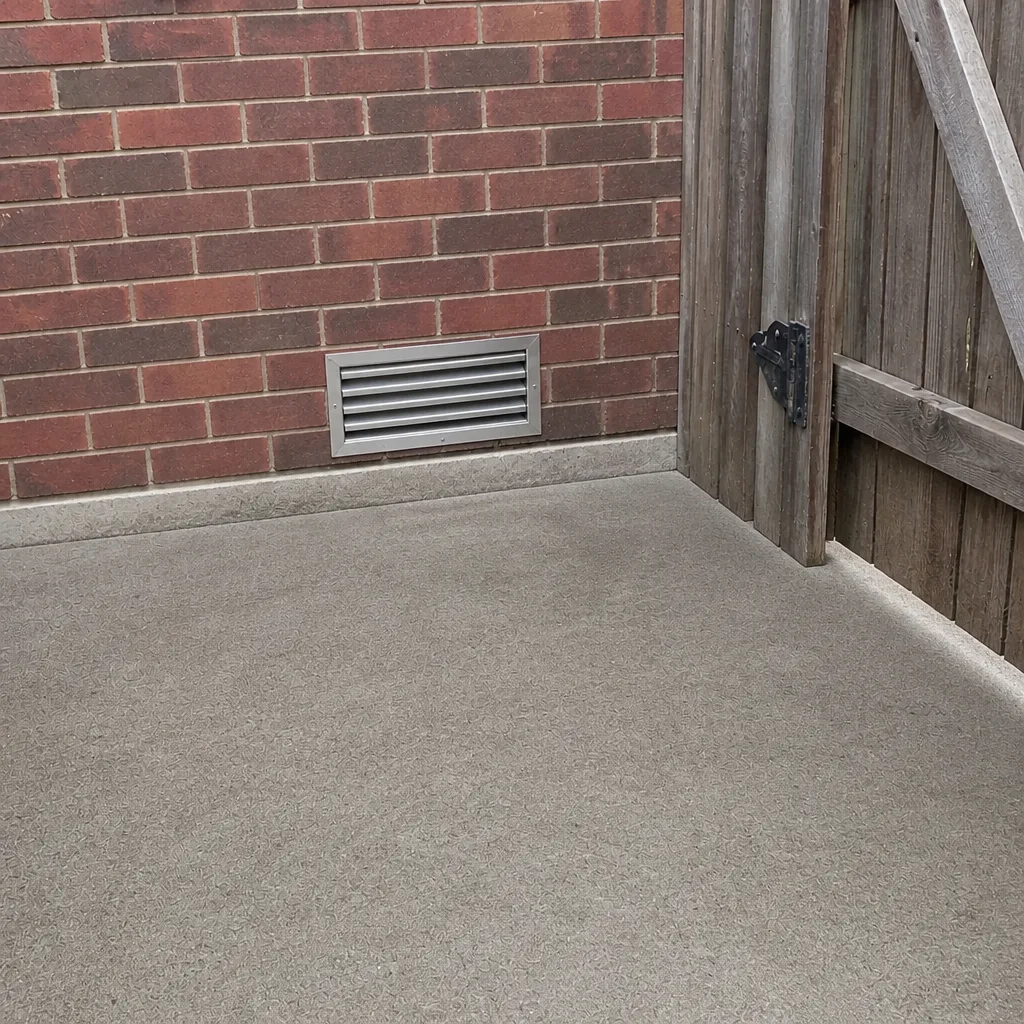 After
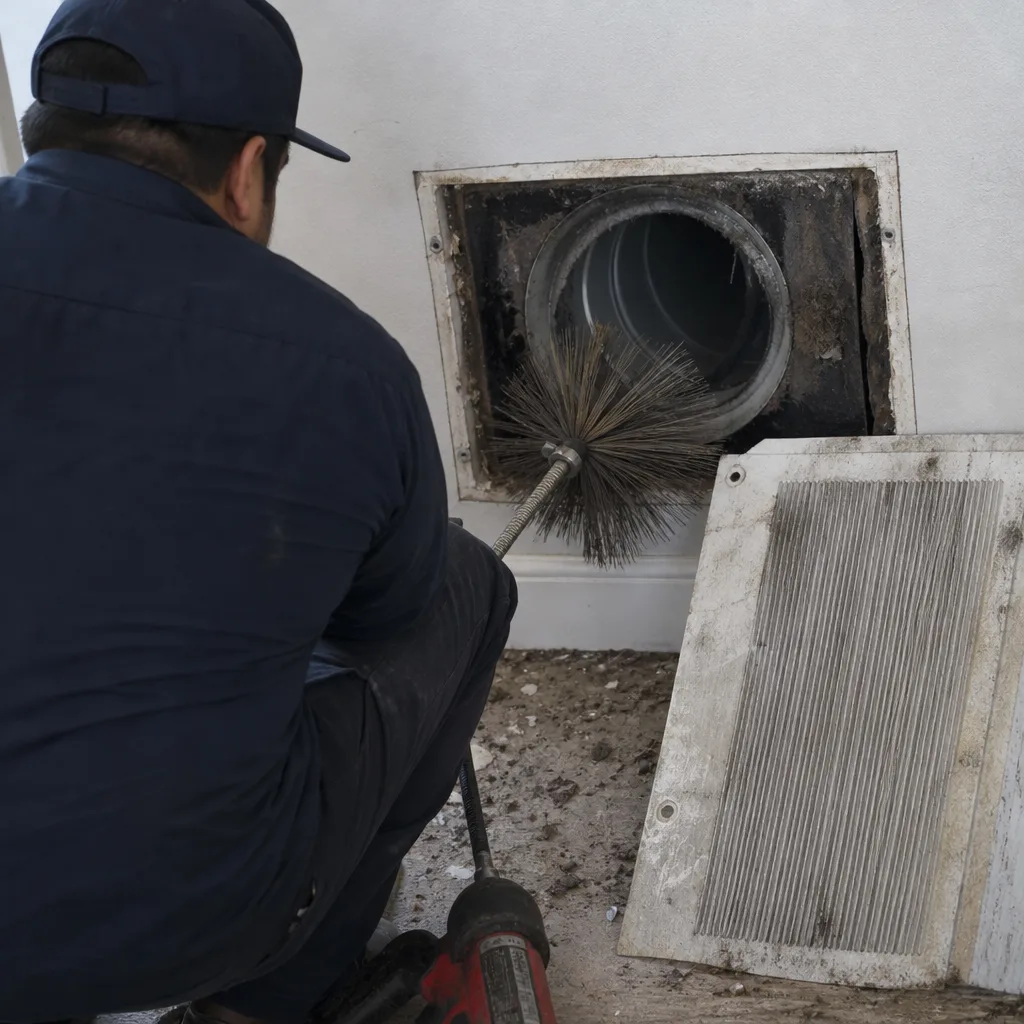 Before
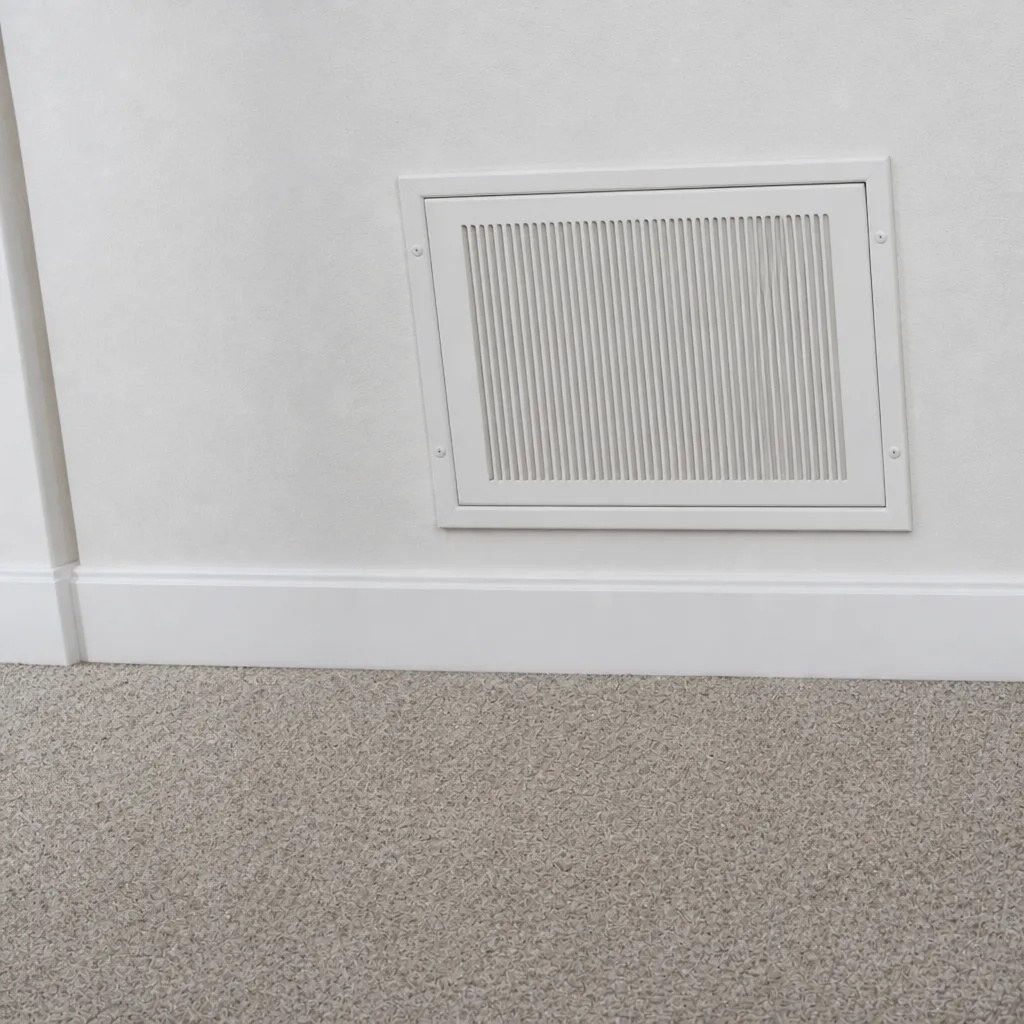 After
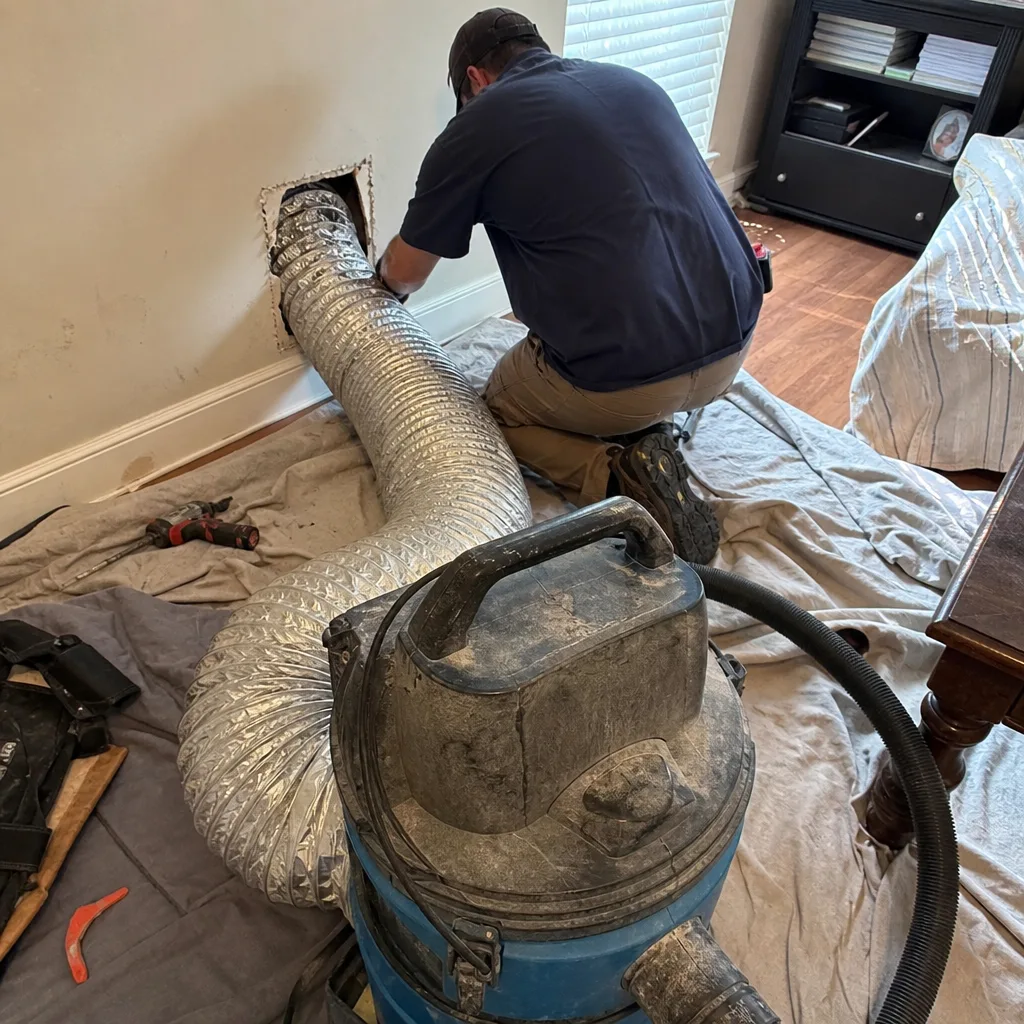 Before
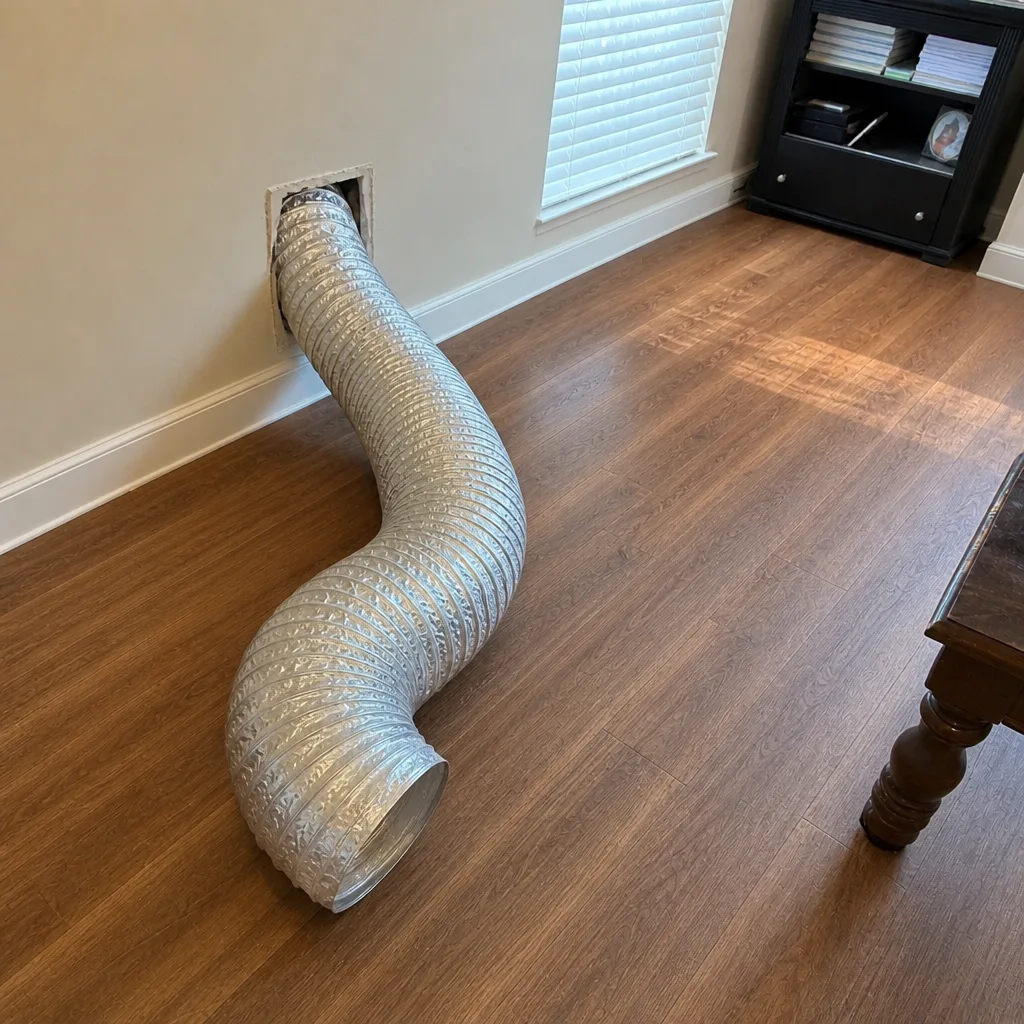 After
When to Call a Professional
Call a professional when you can see debris ejecting from a register on startup, when a musty smell persists across cycles, when two rooms in your house have stopped being comfortable at the same settings, or when allergy symptoms in your household track your HVAC runtime. Call when a renovation just wrapped, when you’ve just moved into a Richardson home and don’t know when the ducts were last serviced, or when your dryer takes twice as long as it used to. If the observation walkthrough above has produced more than one warning sign, that’s your answer.
Duct Cleaning Richardson offers free estimates in Richardson. Call (877) 741-8677. We answer 24/7. Fast dispatch from 7am to 7pm, Sunday through Friday.
Frequently Asked Questions
Most Richardson homes benefit from professional cleaning every three to five years, with adjustments for pets, allergies, recent renovation, and how hard the system runs. Homes with multiple pets or family members with respiratory conditions often need it closer to every two to three years. Homes with no pets and no allergy concerns can stretch to five years or longer if warning signs aren’t present. The schedule follows the warning signs, not a fixed calendar.
For an exact quote on your home, call (877) 741-8677. Estimates are free.
A dirty register face is a surface issue. Dust settles on the grille and can be wiped clean. A dirty duct is an interior issue. Debris accumulates on the inside surface of the duct run and is re-suspended every time the blower starts. You tell them apart by watching the register when the system starts up: no puff, no problem; visible puff of particles moving through the air, the interior needs attention. A register face can look clean while the duct behind it is loaded.
Yes, dirty ducts can contribute to allergy symptoms because the debris layer inside the duct includes settled dust, pet dander, and other fine particulates that get re-suspended into breathing air every time the system runs. The pattern to look for is symptoms that track HVAC runtime rather than time spent outdoors. If you’ve noticed that correlation, the ducts are worth investigating. Cleaning removes the accumulated material and reduces what gets re-suspended.
Call (877) 741-8677 to schedule an inspection and a free estimate on cleaning.
Not necessarily. Visible dust on the vent face is the last indicator to show up, and on its own it points at the register rather than the duct interior. What matters is whether you also see debris ejecting from the register on startup, whether the odor is musty rather than dusty, whether temperatures are uneven, or whether allergy symptoms track the HVAC cycle. Any one of those alongside the register dust is the signal to investigate. Register dust alone can be addressed by wiping.
Check the exterior vent flap while the dryer runs. It should open fully and hold open. A weak, sticky, or non-opening flap points to an obstruction in the vent run. Also look at the lint screen collar inside the dryer: lint accumulation there is a sign of a vent restriction upstream. Cycle time increasing over months is the most reliable single signal. Dryer vents are a fire hazard, not a minor maintenance item, and the check takes two minutes.
For dryer vent cleaning in Richardson, call (877) 741-8677.
A dedicated rotary brush system and a HEPA-rated vacuum that runs negative air pressure inside the duct during cleaning. The rotary brush (Rotobrush is the common professional system) agitates the interior surface to dislodge the accumulated layer, and the HEPA vacuum captures it so the debris doesn’t end up in your room air. Commercial-grade air filtration units like those from Abatement Technologies protect indoor air while the work is happening. A shop-vac hose and a general HVAC truck will not achieve the same result. Ask what equipment will be used before you book.
To schedule a cleaning with professional-grade equipment, call (877) 741-8677.
The Bottom Line
Duct contamination builds slowly and announces itself in a specific order: puffs of debris at startup, then musty odors on first cycle, then uneven temperatures, then allergy patterns that track your system’s runtime. Register dust is the last signal and often the most misleading. If you’re seeing two or more of those signs together, the system is worth a professional look. For Richardson homeowners who want a partner who can clean the ducts, repair compromised runs, and address filtration in one visit, that’s the service we’ve built. Our technicians have up to 15 years of experience. Call (877) 741-8677. We answer 24/7. Fast dispatch from 7am to 7pm, Sunday through Friday. Estimates are free.
Written by the team at Duct Cleaning Richardson.
Explore our Duct Cleaning Richardson service, read more about air duct cleaning, and see how we’re serving the Richardson area.