
Last updated November 15, 2026
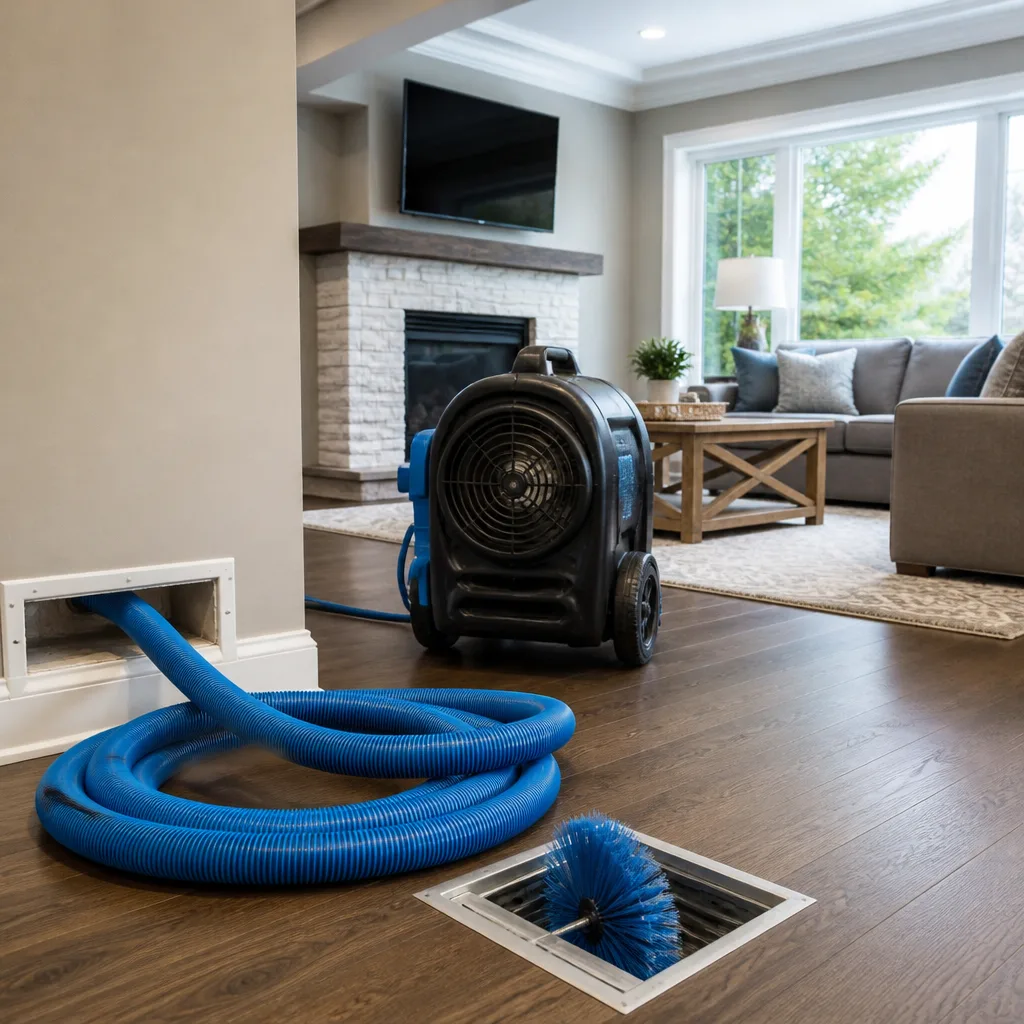 Whole-home duct cleaning
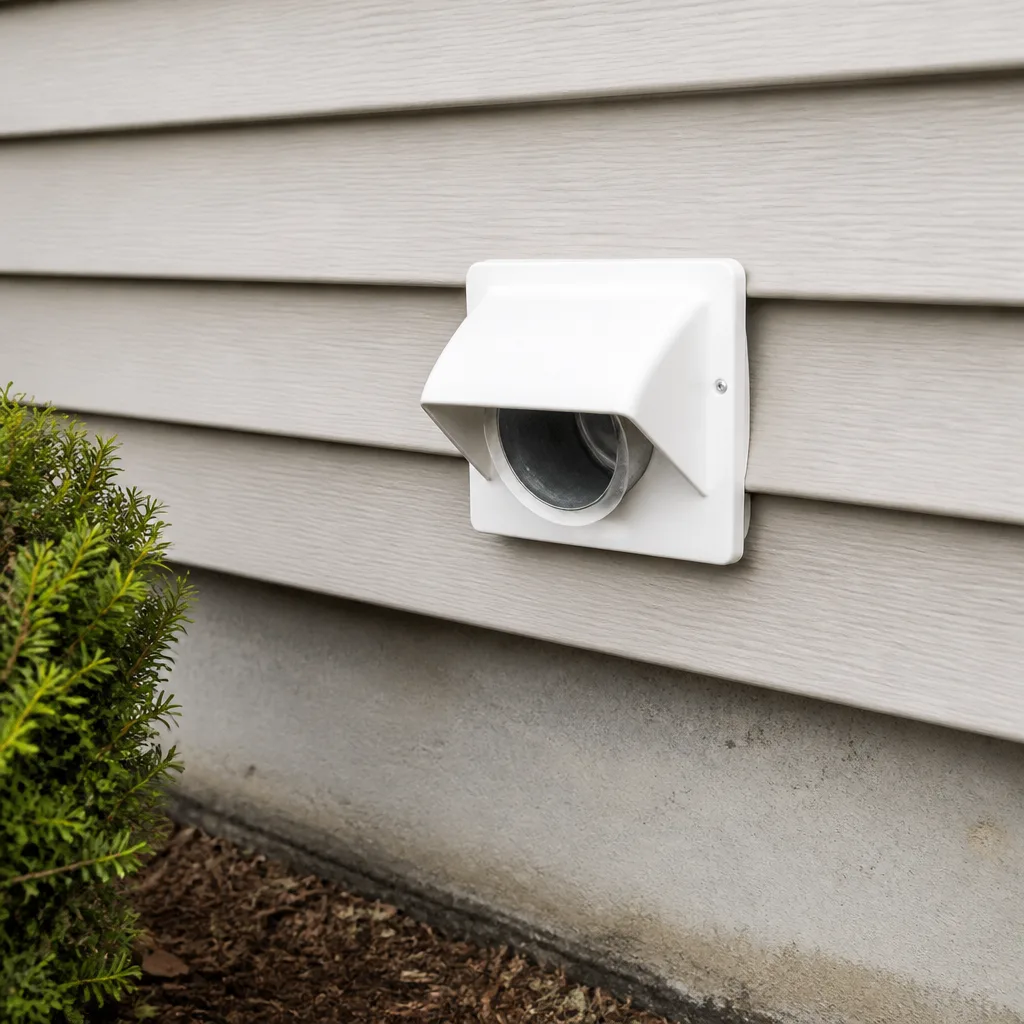 Dryer vent cleaning
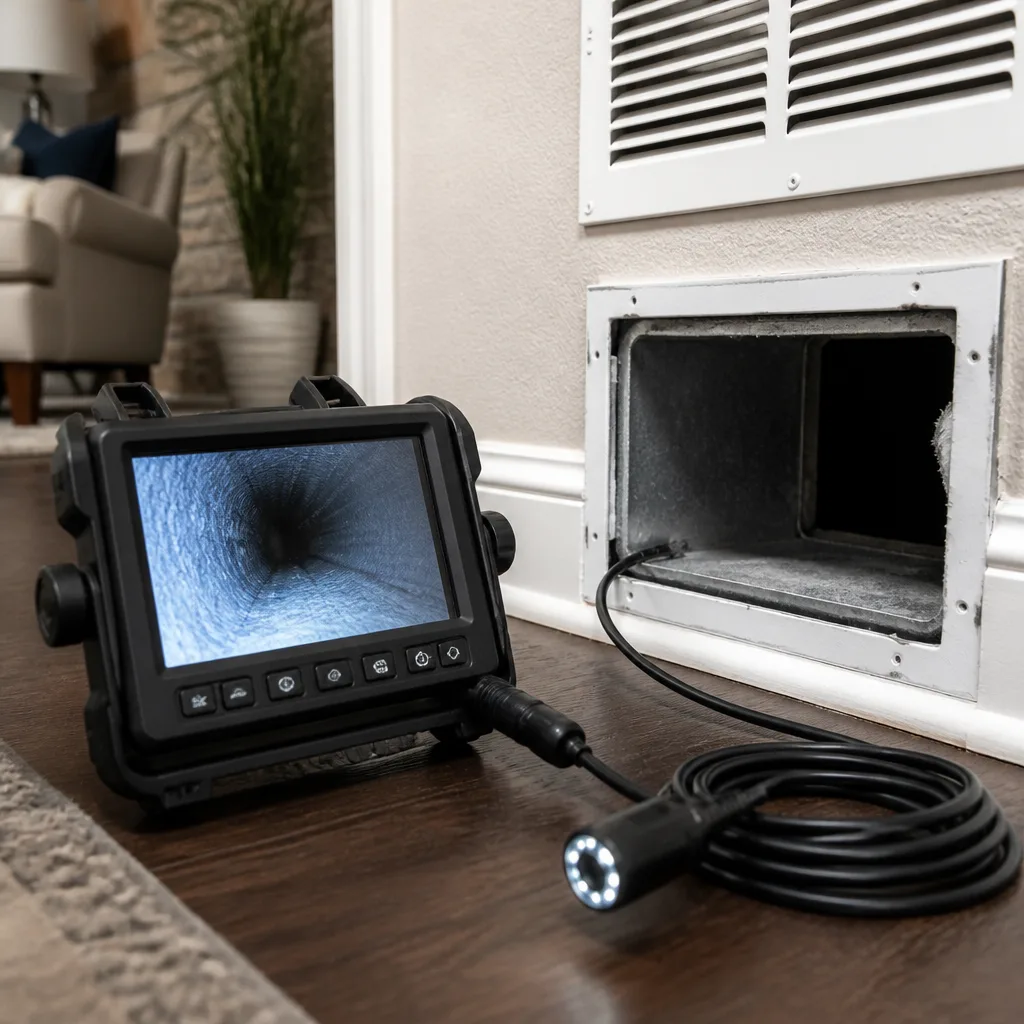 Camera inspection
 Sanitizing & deodorizing
Whole-system duct and dryer vent check with before-and-after photos - you see exactly what came out of your vents
That "$99 whole-house special" is a bait ad - the real number appears once they are in your hallway, or the "clean" is a shop-vac at the register. We photograph the inside of your ducts before and after instead.
Air Duct Cleaning Permits, Codes & Inspections in Richardson, TX: What You Need to Know
Here’s the part most homeowners don’t hear until they’ve already paid: Texas does not license duct cleaning companies as a standalone trade. That means anyone with a vacuum and a truck can legally advertise air duct cleaning in Richardson, and no state board will check their work. The protection you have isn’t a license for cleaning. It’s understanding which adjacent tasks do require a license and a permit, because those are the ones that get bundled into a cleaning quote. This guide breaks down what plain duct cleaning covers, what triggers a Texas mechanical permit, when mold remediation licensing applies, and how to verify a contractor before anyone touches your system.
Quick Answer
Air duct cleaning itself does not require a permit in Richardson or anywhere in Texas, because Texas does not license duct cleaning as a standalone trade. What does require permits and licensed trades is the work that often rides along with it: duct modifications or replacements, HVAC system changes, and any mold remediation above a small threshold. Ask for the scope in writing and verify any mechanical or mold license before work starts.
Styles & brands we work with
- Whole-home duct cleaning
- Dryer vent cleaning
- Camera inspection
- Sanitizing & deodorizing
Table of Contents
- What duct cleaning covers vs. what triggers a Texas mechanical permit
- When does duct work require a permit in Richardson?
- What happens if cleaning uncovers mold growth?
- How to verify a contractor’s Texas HVAC or mold license
- What to do if duct modifications were done without a permit
- Richardson code enforcement: where HVAC complaints go
- What a proper post-cleaning inspection should show you
- Why Richardson’s climate and housing stock shape the work
What Duct Cleaning Covers vs. What Triggers a Texas Mechanical Permit
Cleaning and building are two different activities, and the line between them matters more than most homeowners expect. Cleaning removes accumulated dust, debris, and biological buildup from the inside of ductwork that already exists. It doesn’t change the system. A mechanical permit is about changing the system: adding, altering, or replacing components that affect how air moves through your house or how the equipment performs.
In Richardson, residential mechanical work falls under the Texas adopted mechanical code, and the city’s building department issues the permits. The trigger is straightforward: if the work removes, reroutes, resizes, or replaces duct runs, or ties into HVAC equipment, it generally needs a permit and a licensed mechanical contractor. Cleaning what’s already there does not.
A simple way to think about it:
- Cleaning only: rotary brush and HEPA vacuum through existing ductwork, no cutting, no rerouting, no equipment changes. No permit.
- Repair in place: sealing joints, patching small holes, reconnecting a disconnected run to an existing boot. Usually no permit, though larger reconstructions may trigger one.
- Modification: adding a new supply or return run, resizing trunks, replacing flex with rigid, or reworking the layout. Permit and licensed mechanical contractor required.
- System replacement or major alteration: new air handler, new condenser, redesigned distribution. Permit required.
This is where the specialist approach pays off. A company that does only cleaning and duct repair can tell you plainly when a problem crosses into permitted mechanical territory, rather than quietly absorbing the work into a “cleaning” invoice. When you book air duct cleaning with a dedicated duct outfit, you get an honest scope from the start.
When Does Duct Work Require a Permit in Richardson?
A permit is required when the work changes the mechanical system rather than restoring it. In practice, most Richardson homeowners run into this when a “duct cleaning” quote quietly expands into “we’ll just replace these three runs while we’re up there.” That’s a good conversation to have before anyone starts.
Common triggers we see come up in Richardson homes:
- Adding or removing a supply or return register. Any new opening in the duct system that changes the airflow design needs a permit and licensed mechanical work.
- Rerouting or resizing duct runs. If a contractor proposes shortening a trunk line, splitting a branch, or upsizing the return, ask for the mechanical permit number. It’s a system change, not a cleaning.
- Replacing flexible duct with rigid. A worthwhile upgrade in many older Richardson homes, but it’s a mechanical alteration and needs the paperwork to match.
- Connecting new equipment or an air cleaner that ties into the duct system. Whole-home filtration installed into the return plenum involves mechanical work, even when the equipment is small.
- Major reconnection jobs after pest damage or a remodel. Rebuilding a disconnected system counts as alteration when it involves significant new material.
If you’re unsure whether your job crosses the line, the city’s building department can tell you in a phone call whether a mechanical permit is required for the specific scope you’ve been quoted. It’s a two-minute question, and it prevents a much longer headache later. If your ducts are old enough that replacement is on the table, you may be looking at a permit-and-contractor project rather than a cleaning.
What Happens If Cleaning Uncovers Mold Growth?
Mold inside ductwork is not automatically a remediation project, but it does have a legal dimension in Texas that most homeowners don’t know about. Texas requires mold remediation contractors to be licensed by the state, and remediation work above a small threshold (typically involving more than 25 contiguous square feet of affected surface) must follow specific containment and clearance procedures. Duct cleaning companies are not automatically licensed to do that work.
What this means in practice:
- Visible mold growth on a small patch of duct liner is often addressed with cleaning alone, though the moisture source still needs to be found.
- Any growth that spreads across a larger area, or that returns after cleaning, needs a licensed mold remediation contractor and likely a post-remediation verification.
- Cleaning that spreads spores through the house without containment is worse than doing nothing. Professional duct cleaning uses negative air pressure and HEPA filtration on the exhaust so contaminants leave the living space.
This is where the equipment matters. Professional-grade systems like Rotobrush rotary brushes paired with HEPA-rated Nikro vacuums, or contaminant filtration units from Abatement Technologies, capture particles at the source rather than blowing them into the room. When the equipment is right, a cleaning on mold-affected ducts is safe as routine service. When the growth is significant, the cleaning stops and remediation takes over. We’d rather tell a customer that than do work outside our scope.
A quick note on how to check. Ask to see the mold remediation license before any contractor treats growth inside your ducts. If they don’t hold one, they shouldn’t be treating it.
How to Verify a Contractor’s Texas HVAC or Mold License
Verification takes about five minutes and it’s the single best protection you have. Texas licenses mechanical contractors through the Texas Department of Licensing and Regulation (TDLR), and mold remediation contractors through the same agency under a separate license type. Both are searchable online by company name or license number.
Here’s a practical verification checklist:
- Ask what license they hold and for the number. A legitimate mechanical contractor will provide it without hesitation. A cleaning-only company will tell you they don’t hold one, which is fine for cleaning but not for modifications.
- Look up the number on the TDLR site. Confirm the license is active, not expired, and matches the business name on the quote.
- Check insurance. Ask for a certificate of insurance showing general liability coverage for the work being performed. Duct cleaning with rotary equipment and pressurized air has real risk of damaging ductwork or disturbing ceilings if something goes wrong.
- Ask whether subs are used. If the company you hire subcontracts modifications or mold work to another company, that’s a sign they’ve gone outside their scope. Ask for the subcontractor’s license separately.
- Get the scope of work in writing before the technician arrives. One flat price per system, cleaning only, no per-vent pricing, no surprises once the truck is parked.
Also ask who actually performs the work. A duct cleaning company that connects homeowners with independent local professionals should be able to name the standard the technician is held to: licensed where the work requires it, insured, and experienced. Our technicians have up to 15 years of experience, and duct repair is a service we can offer as a standalone job, meaning we’re not going to tell you a small tear requires a full HVAC replacement.
What to Do if Duct Modifications Were Done Without a Permit
It happens more than homeowners realize. A previous owner, a cheap remodel, or an HVAC company that skipped the paperwork leaves ductwork that was changed without a permit, and the problem surfaces years later during a sale inspection or when a cleaning uncovers mismatched runs and untapped boots. The good news: it’s fixable, and it doesn’t usually mean tearing out walls.
Steps to take, in order:
- Document what exists. Photos of the ductwork, the registers, and any visible equipment labels. If a cleaning is scheduled, ask for before-and-after photos of the work performed, and keep the ones that show the problem areas.
- Call Richardson’s building department. Ask what’s on file for your address and what the process is for retroactive or after-the-fact permits for mechanical work. In most cases they’ll tell you what inspections will be needed.
- Have a licensed mechanical contractor evaluate the work. Some unpermitted work is fine and just needs to be documented. Some needs to be brought up to code. A licensed contractor can tell you which.
- Disclose it if you’re selling. Texas seller’s disclosure requirements are strict on known issues, and unpermitted mechanical work is one. Getting it corrected before listing is cheaper and cleaner than negotiating it in an inspection response.
- Fix the underlying problem. If a run was added improperly, it’s usually because someone was trying to solve an airflow problem the wrong way. Repairing the duct system properly is the fix.
This is exactly why our duct cleaning in Richardson is followed by an inspection of the whole distribution system, not just a pass with a brush. If we find unpermitted modifications during a cleaning, we document it and tell you, rather than cleaning around a problem that will come back.
Richardson Code Enforcement: Where HVAC-related Complaints Go
Not all HVAC problems are permit problems, and knowing which city office handles which complaint saves time. For Richardson residents, the main contact points are:
- Building department / permitting: for questions about what requires a permit, permit status on your address, and inspection scheduling. This is where you go for mechanical permit issues.
- Code enforcement: for complaints about a contractor performing work without a permit, unsafe work conditions, or property standards issues. They handle the enforcement side of unpermitted work.
- State licensing agency (TDLR): for complaints about a licensed contractor’s conduct, or to report someone advertising mechanical or mold remediation work they aren’t licensed for.
If you’re unsure where a complaint goes, start with the city’s main line and ask to be transferred. It’s generally faster than trying to figure out jurisdiction yourself. And if a contractor pushes back when you ask about a permit, that pushback is the answer: they’re telling you something about how they work.
For homeowners, the simple rule is that no one should ever ask you to skip a permit to save time or money. Clean, professional work with proper documentation is the standard. If a company doing duct work in Richardson won’t show you the paperwork, don’t schedule the job.
What a Proper Post-Cleaning Inspection Should Show You
An inspection after cleaning isn’t the same thing as a permit inspection. It’s the company’s own check that the work is complete and the system is intact. At minimum you should expect before-and-after photos of the actual ductwork in your home, not stock images or a generic certificate, and a walkthrough of the areas serviced. Ask for photos of the main trunk and at least two branches, plus a look at the registers.
What else to look for:
- Confirmation that connections are intact. Cleaning with rotary equipment can loosen joints. A proper job ends with a check that every branch is still connected and every register is properly seated.
- A check for moisture problems. If the technician finds damp spots or suspected condensation, that should be documented and reported to you, because moisture is the root cause behind most mold growth in ductwork.
- Filtration status. If the current filter is undersized for the air handler, that’s worth knowing. Installing a Honeywell or Aprilaire whole-home filter in one visit, after the cleaning, prevents the dust from coming back so quickly. Ask whether the filter cabinet can be added without mechanical permit work; if it involves modifying the return plenum, it usually can’t.
- Written scope compared to written invoice. The scope you agreed to should match the invoice you receive. If they’ve added items that weren’t on the original quote, ask why before you pay.
If the after-cleaning photos don’t show the work, ask for a return visit. A company that isn’t willing to document the job for you hasn’t earned the invoice.
Why Richardson’s Climate and Housing Stock Shape the Work
Richardson sits in North Texas, where the cooling season runs long and the switchover to heating is short. That means most homes here spend far more hours a year running the air handler than the furnace, which has a couple of consequences for duct cleanliness and duct condition.
First, the air conditioner is doing a lot of the dehumidifying work, and when a system is slightly oversized for the home (common in mid-century Richardson neighborhoods built during rapid suburban growth), the run times are short and the ducts sit more humid than they should. That’s a friendly environmental fact if you’re wondering why duct liner and joints degrade faster here than in drier climates.
Second, the housing stock is mixed. Older neighborhoods often have original duct systems with decades of accumulated dust and, in some cases, failing liner. Newer construction tends toward flexible duct runs and tighter homes where dust loading happens faster because there’s less air exchange with the outside. Both kinds of homes benefit from a proper professional cleaning, using equipment that can reach the whole system rather than just the visible registers.
We see the same pattern blocks over and over: homeowners call us when a kid’s allergies flare up, or when the airflow to the back bedroom gets weak, or when a musty smell shows up after the first warm week of spring. Those are exactly the right reasons to call.
Common Mistakes to Avoid
- Assuming there’s an “air duct cleaning license” in Texas. There isn’t one. Duct cleaning isn’t a licensed trade, so you can’t verify competence through a state license number. You verify it through equipment, insurance, photos, and the contractor’s willingness to put the scope in writing.
- Accepting a modification rolled into a cleaning quote. If the contractor proposes replacing or rerouting ducts as part of a cleaning, ask for the mechanical permit number. Any scope that changes the system needs a permit.
- Letting a cleaning-only company treat mold. Texas requires mold remediation licensing, and a duct cleaner without it shouldn’t be treating growth beyond a minor spot. Ask for the remediation license if mold is part of the conversation.
- Skipping the before-and-after documentation. A low price with no evidence of work is exactly the pattern behind most bait-and-switch complaints. Insist on photos of your own ducts.
- Ignoring what the inspection shows. A disconnected branch, a crushed flex run, or a failed seal is worth fixing before the next cleaning, not after. Clean ducts leak just as fast as dirty ones.
- Paying per vent. Whole-system pricing is the fairer, more honest model. Per-vent pricing incentivizes a fast pass, and it makes the final bill unpredictable. We quote one flat price per system.
- Assuming a low coupon price is normal. In the Richardson market, a serious cleaning with professional equipment is not the cheapest line item in a home maintenance list, and it isn’t priced like a coupon. If the number seems too good to be true, ask what equipment is being used and how much of the system will actually be cleaned.
See the difference
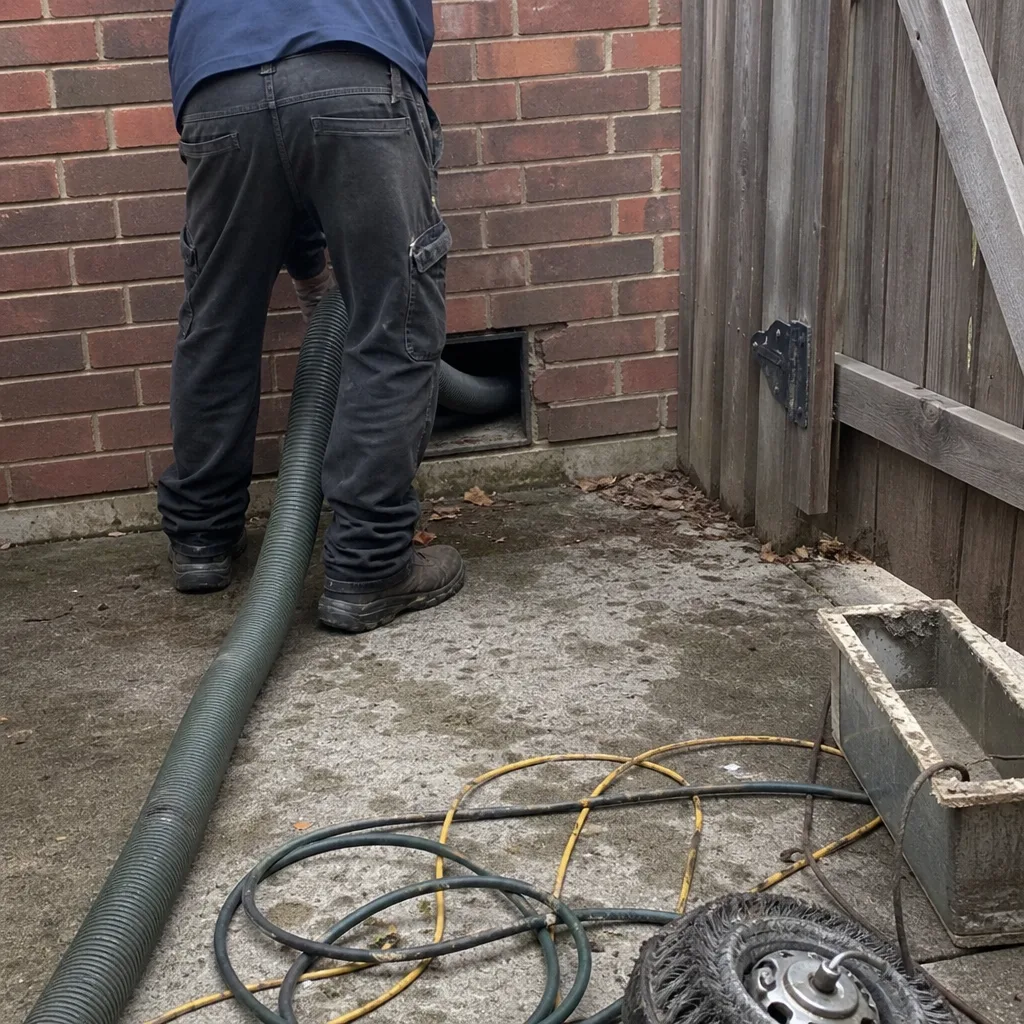 Before
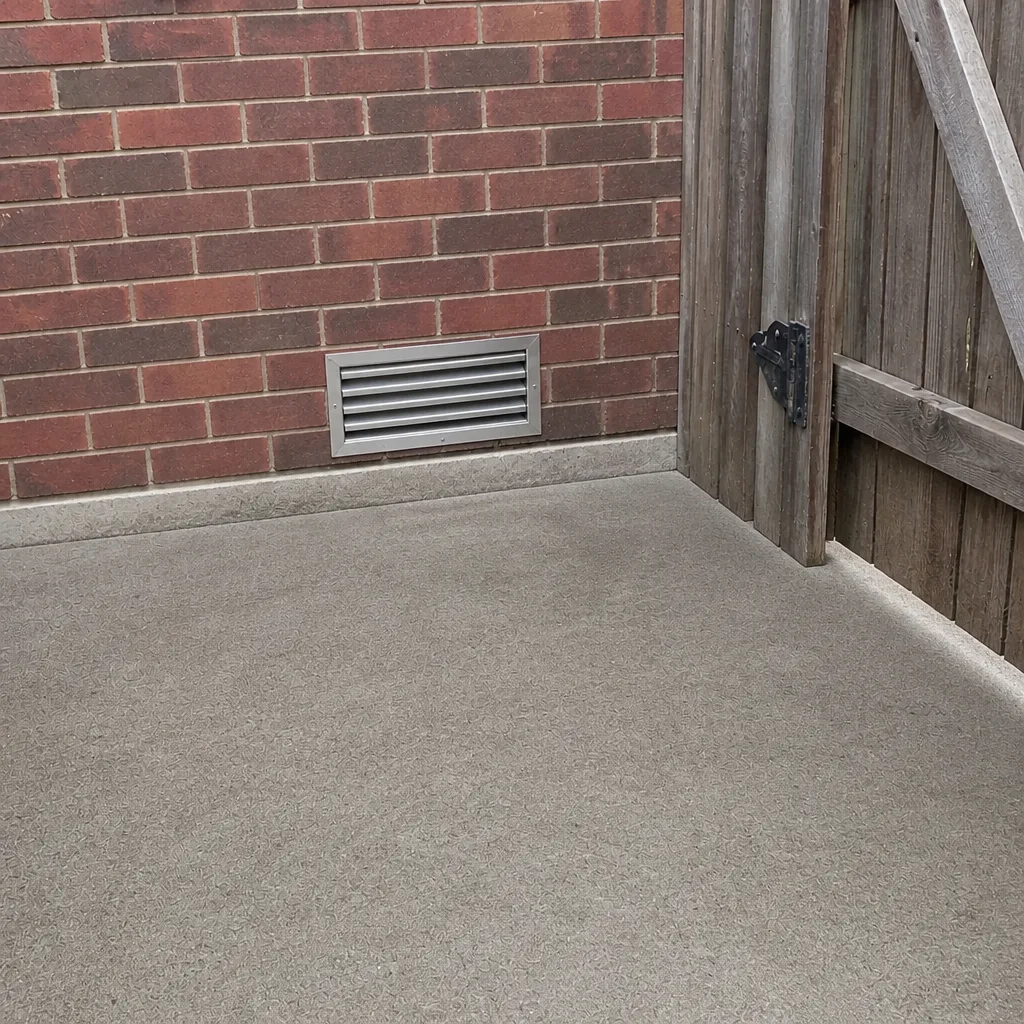 After
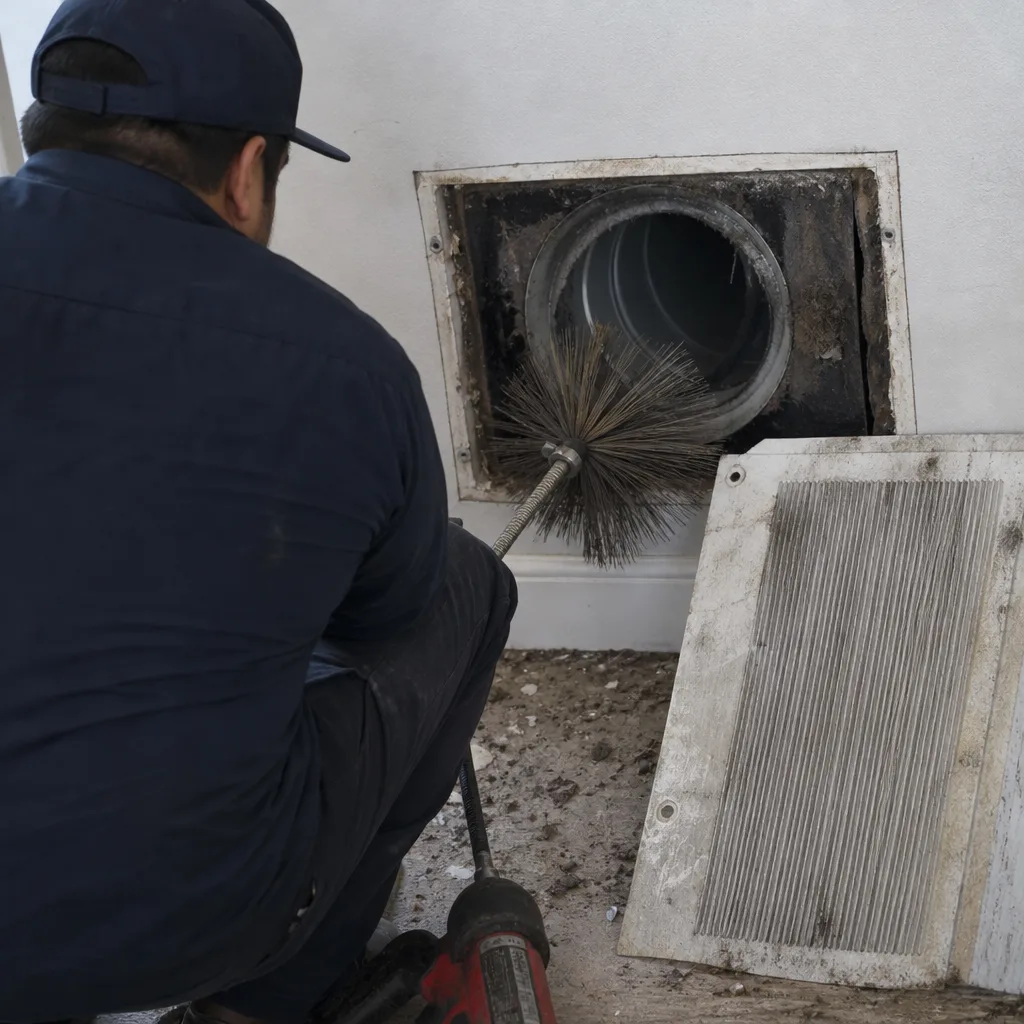 Before
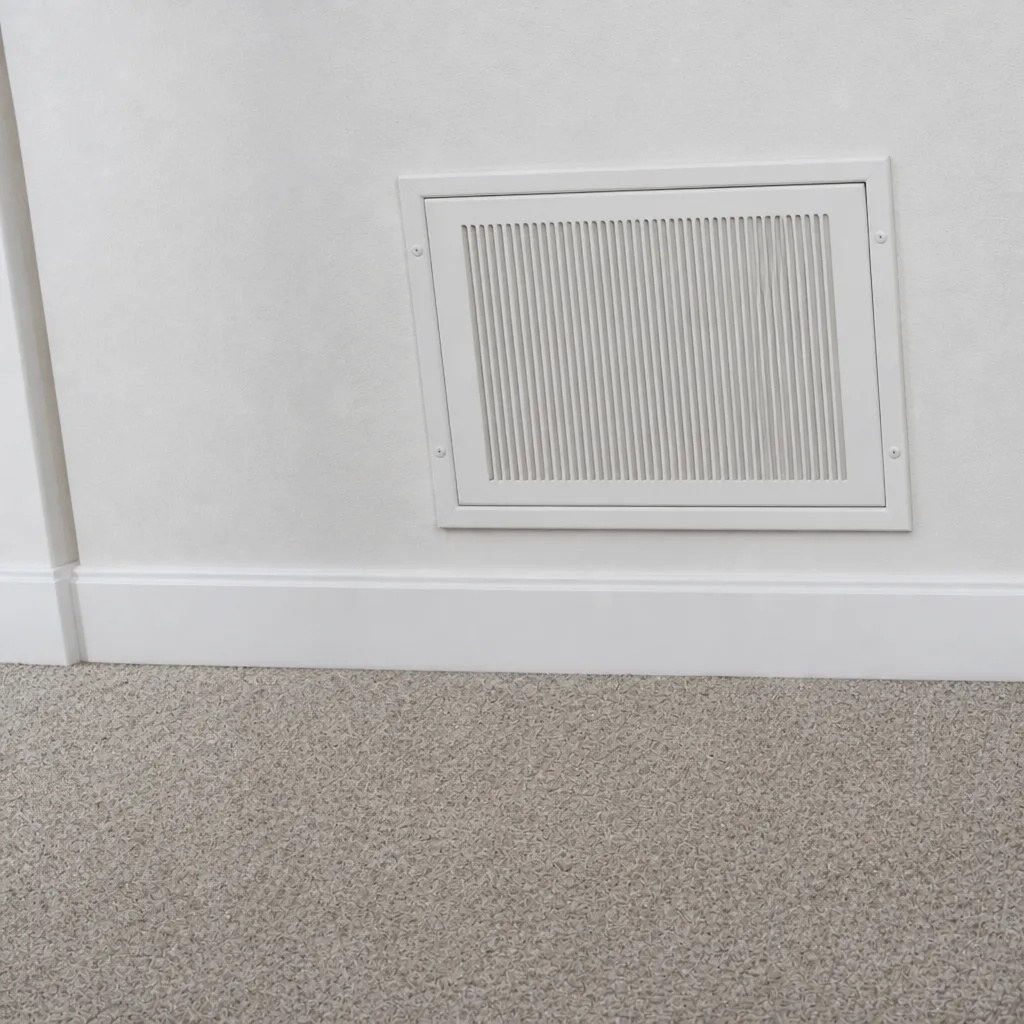 After
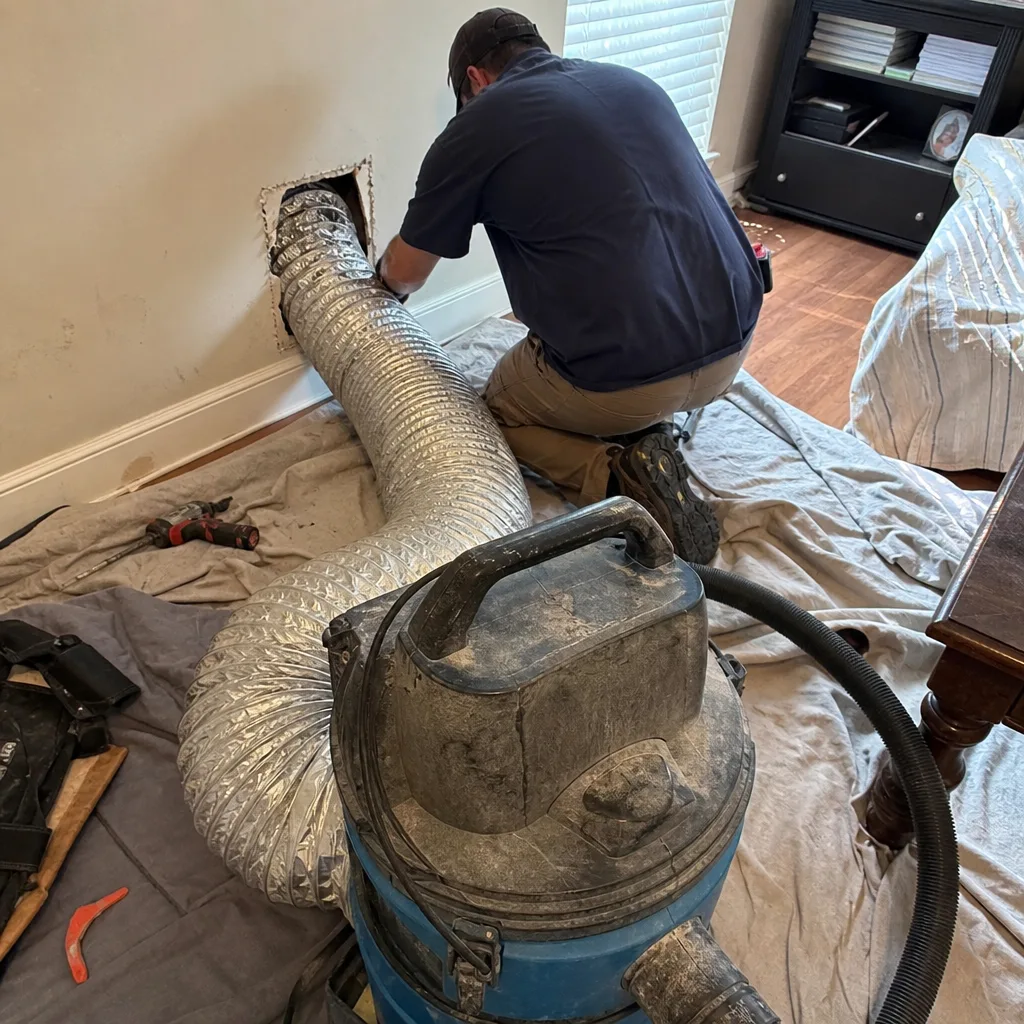 Before
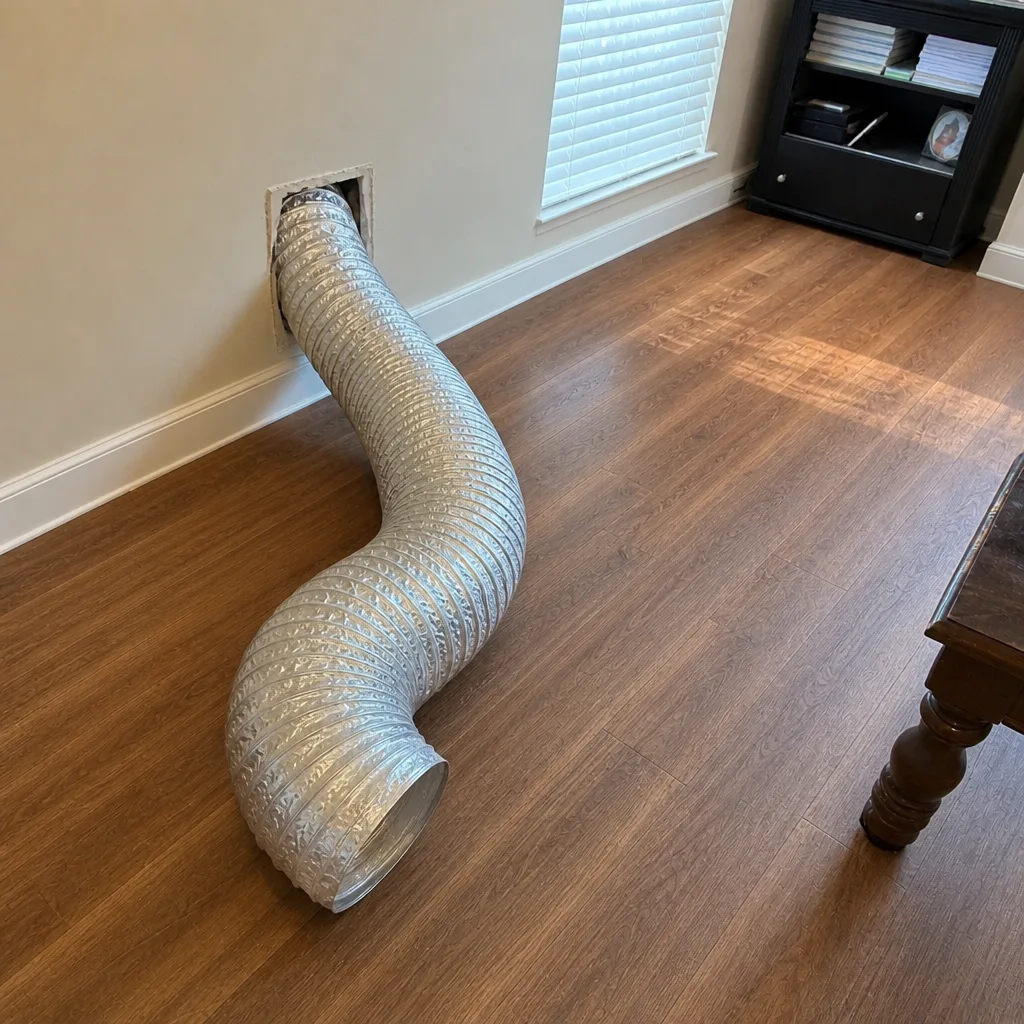 After
When to Call a Professional
Call for a professional cleaning when you’re seeing the same stuff coming back into the returns month after month, when a musty smell appears with the air conditioning season, when allergy symptoms get worse indoors, or when it’s been several years since the ducts were last cleaned and the home is older. Call sooner if a cleaning has uncovered visible duct damage, a disconnected run, or the tell-tale signs of moisture that could lead to mold. Do not attempt to clean mold-affected ductwork or reroute ducts on your own; both carry real risk to your health and to the mechanical system. Duct Cleaning Richardson offers free estimates in Richardson, and we’ll document the scope in writing before anything starts. Call (877) 741-8677. We answer 24/7. Fast dispatch from 7am to 7pm, Sunday through Friday.
Frequently Asked Questions
No. Air duct cleaning does not require a permit in Richardson because Texas does not license duct cleaning as a standalone trade. Permits are required when the work becomes a mechanical alteration, such as adding or rerouting duct runs, replacing duct runs, or tying in new equipment. Call (877) 741-8677 for an exact quote on a cleaning-only job; estimates are free.
Visible mold growth in ductwork needs to be handled carefully. A small spot can often be cleaned as part of routine service, but a larger growth area requires a licensed mold remediation contractor in Texas. Ask to see the remediation license before any treatment is performed. Our trained crews stop and document the finding before continuing, and we’ll walk you through what comes next. Call (877) 741-8677 to discuss your situation.
Ask for the company’s Texas mechanical license number and look it up on the TDLR website. Confirm it’s active and matches the business name on your quote. Also ask for the certificate of insurance, and ask whether the work will be performed by their own technicians or subcontracted. If any part of the job involves modifying or replacing ductwork, both the license and the permit are required.
Start by calling the City of Richardson building department and asking what permits are on file for your address. Then have a licensed mechanical contractor evaluate the work to see what needs to be corrected. Keep all photos and documentation from any cleaning or inspection. It’s usually fixable, and getting ahead of it before a sale is far cheaper than negotiating it after.
Because the equipment and the scope are different. A shop vacuum and a quick pass cost less than a rotary brush system with HEPA-rated capture running through the whole main trunk and every branch. Whole-system pricing with a written estimate agreed before work starts is the honest comparison point, and per-vent pricing is usually the giveaway that the quote isn’t for a full cleaning. Call (877) 741-8677 for an exact quote; estimates are free.
For a typical Richardson home, every three to five years is a reasonable range, but the timing depends on the home: pets, recent remodeling, moisture problems, allergy sensitivities in the household, and whether the last cleaning was actually thorough all matter. There’s no single correct interval. A free evaluation is the best way to decide, and you’ll get a straight answer rather than a hard sell. Call (877) 741-8677.
The Bottom Line
Duct cleaning in Richardson doesn’t require a permit, but the work that often accompanies it does, and understanding the difference is what protects you from a bad job and a bigger bill later. Plain cleaning is largely unregulated, so verify equipment, insurance, and documentation instead of a license. Modifications, replacements, and mechanical alterations to the system need a city permit and a licensed mechanical contractor. Mold growth above a small threshold requires a licensed remediation contractor. Get the scope in writing, ask for the permit number on anything that’s more than cleaning, and insist on before-and-after photos of your own system. Those four things are the whole game. When you’re ready, call (877) 741-8677 for a free estimate, and we’ll walk through your duct system and its documents with you. We answer 24/7. Fast dispatch from 7am to 7pm, Sunday through Friday.
Written by the team at Duct Cleaning Richardson.