
Last updated November 15, 2026
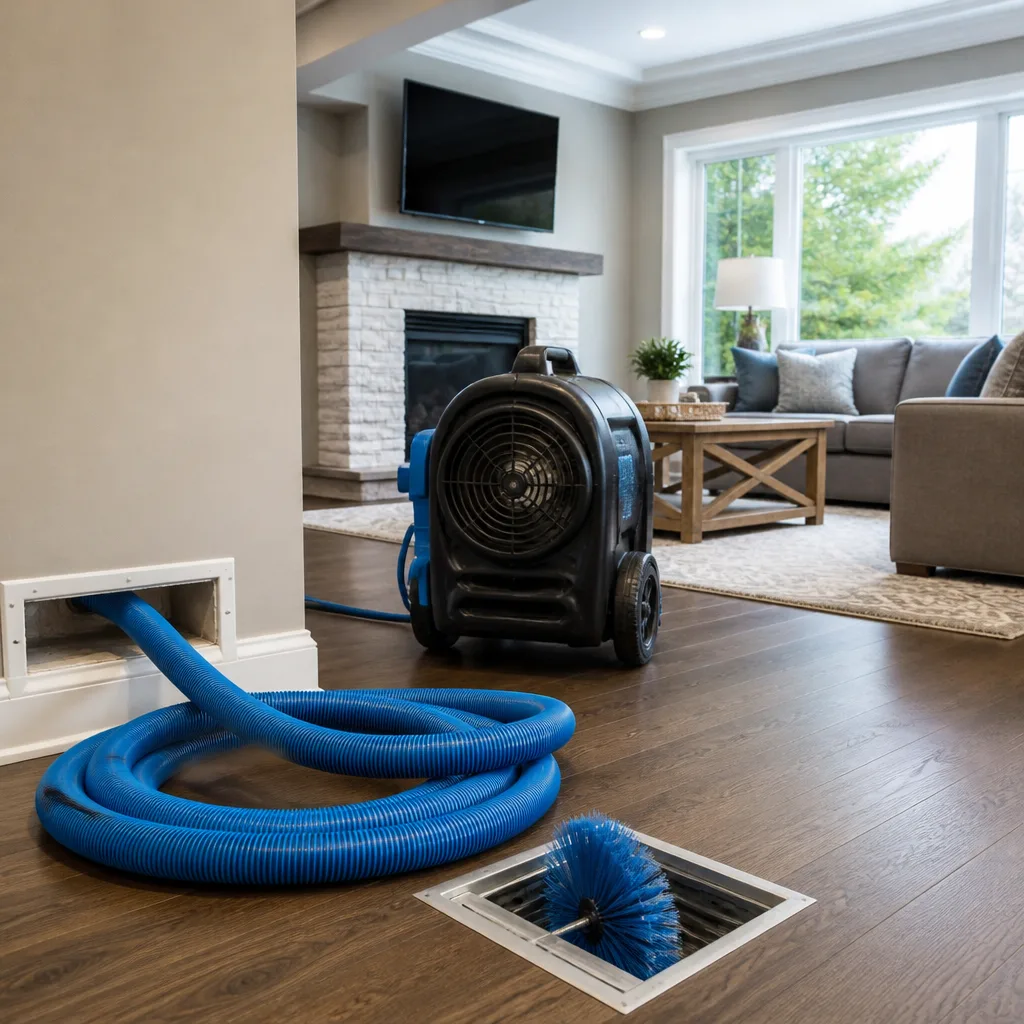 Whole-home duct cleaning
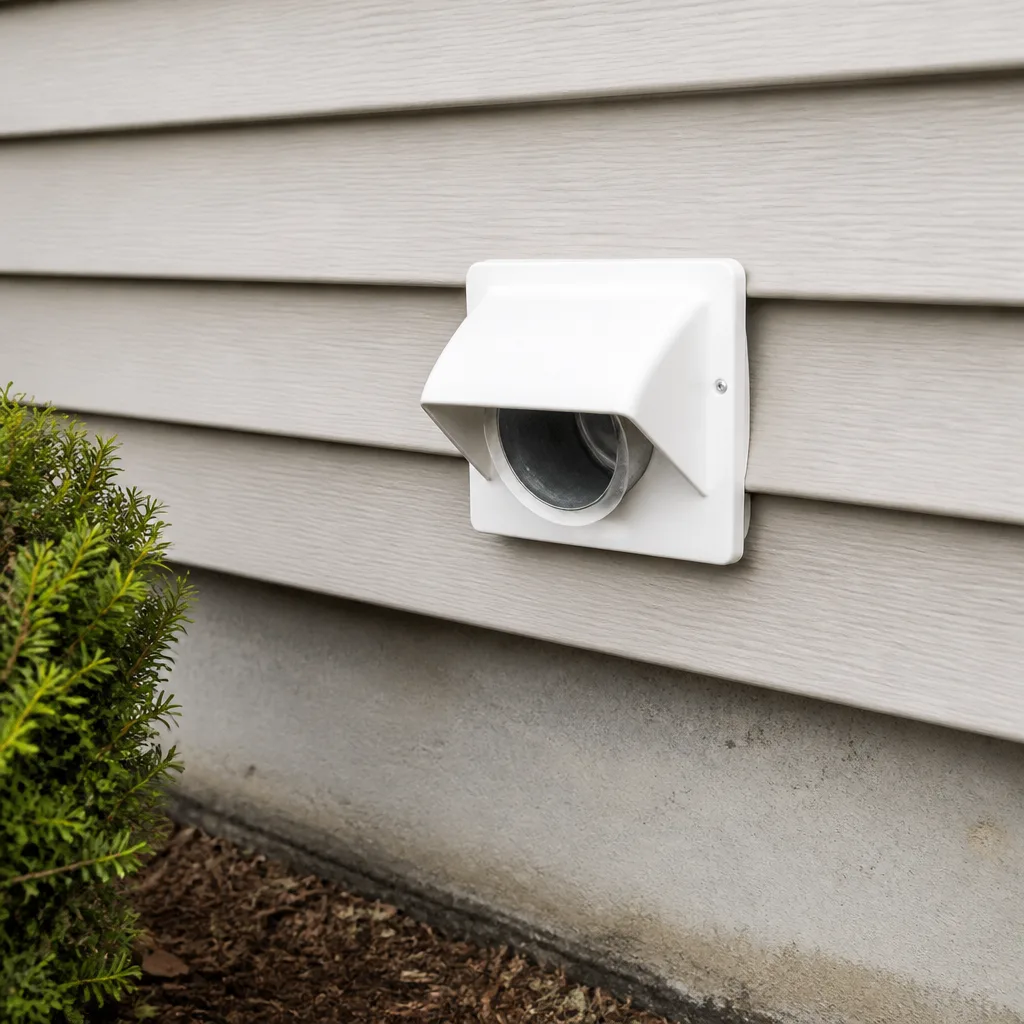 Dryer vent cleaning
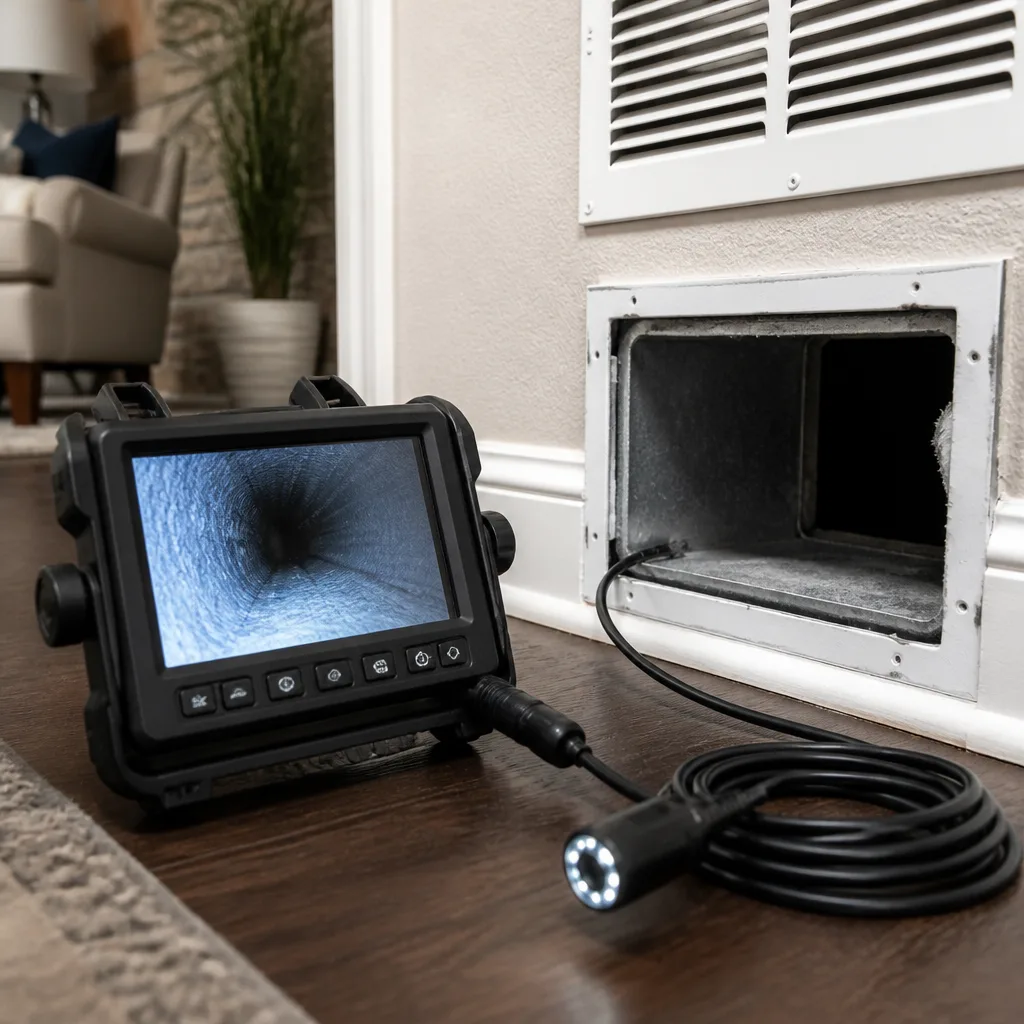 Camera inspection
 Sanitizing & deodorizing
Whole-system duct and dryer vent check with before-and-after photos - you see exactly what came out of your vents
That "$99 whole-house special" is a bait ad - the real number appears once they are in your hallway, or the "clean" is a shop-vac at the register. We photograph the inside of your ducts before and after instead.
Air Duct Cleaning Troubleshooting in Richardson: Common Problems and How to Fix Them
If your ducts were cleaned recently and the musty smell is already creeping back, the cleaning probably failed. Not your ducts, the cleaning. That’s a hard thing to hear after you’ve paid for a job, but it’s also good news: most duct complaints have a diagnosable root cause, and you can usually find it yourself with a flashlight, your nose, and a little patience. A duct system is a mechanical system with specific failure points, not a black box only a contractor can open. In the pages below we walk through how to tell a dirty-duct problem from a moisture problem from an airflow problem, what your registers can tell you about where things went wrong, and when the fix genuinely needs specialty equipment. Whether you’re in Prairie Creek or Canyon Creek, this guide is built for Richardson homeowners who want answers before they spend money.
Quick Answer
Most air duct problems in Richardson trace back to one of three causes: debris left behind after an incomplete cleaning, moisture feeding biological growth inside the system, or a pressure imbalance pulling dirty air back into the ducts. You can narrow it down with a flashlight and your nose in about fifteen minutes. A recurring odor right after cleaning points to the first; a musty, persistent smell with no visible dust points to the second; and uneven airflow room to room points to the third. Once you know which one you’re dealing with, the fix becomes obvious.
Styles & brands we work with
- Whole-home duct cleaning
- Dryer vent cleaning
- Camera inspection
- Sanitizing & deodorizing
Table of Contents
- How to Tell If It’s Dust, Moisture, or Airflow
- Why Ducts Smell Worse After Cleaning
- The Negative Pressure Problem
- What Your Registers and Returns Are Telling You
- Mechanical Failures You Can Spot With a Flashlight
- When You Need a Specialist vs. a Tune-Up
- Richardson-Specific Duct Issues
- Common Mistakes to Avoid
- When to Call a Professional
How to Tell If It’s Dust, Moisture, or Airflow
The single most useful troubleshooting step is separating the three failure modes before you do anything else. They look similar from a distance, but each one has a distinct signature if you know what to look for. In our experience running service calls across Richardson, maybe forty percent of homeowners arrive at the wrong diagnosis because they assume any duct complaint is a “cleaning problem.” That assumption costs money.
Dust-and-debris problems
A dust problem is measurable. You see fine gray or black particulate coating the register grilles, you can smell a faint metallic dustiness when the air comes on, and the problem gets worse with more runtime, not less. Shine a flashlight into the first elbow past a supply register. If you see a visible layer of debris sitting on the metal, that’s a cleaning issue.
Moisture and biological growth
A moisture problem smells like a wet basement: earthy, heavy, and persistent even when the system is off. You may see dark streaks or discoloration on the duct interior near the evaporator coil or on flex duct sections. Richardson’s humid summers are the main driver here. When outdoor humidity stays above seventy percent for weeks, condensation can form inside ductwork that isn’t properly insulated, and that moisture feeds biological growth on the dust that’s already there. The fix isn’t just cleaning, it’s cleaning plus addressing the humidity source.
Mechanical airflow problems
Airflow problems don’t typically smell. They show up as rooms that won’t heat or cool evenly, registers with weak pressure, or a system that runs longer than it used to. Someone in the back bedroom is always uncomfortable while the kitchen is fine. That’s a duct design or leakage issue, not a cleaning one.
Quick diagnostic checklist
- Turn the system off and remove a supply register grille.
- Shine a flashlight into the first three feet of duct. Note visible debris.
- Smell the interior. Dusty is one thing. Musty or sweet is another.
- Run the system and hold a tissue against each register. Compare airflow.
- Check the return grille filter. A totally gray filter with a light dust pattern is normal. A filter that’s dark on one side only suggests a bypass.
- Look at the flex duct connections at the air handler for visible sagging or disconnection.
Write down what you find. When you call a pro, that detail saves time and usually gets you a more accurate estimate. Our team at Duct Cleaning Richardson asks these questions on the first call.
Why Ducts Smell Worse After Cleaning
This is the question we hear most often from Richardson homeowners, and the answer is almost always the same: the cleaning was incomplete. Not fraudulent, not malicious, just incomplete. A shop vacuum and a length of hose cannot reach the length and volume of a residential duct system. It reaches the first few feet, pulls up some surface debris, and leaves the rest.
Why the shop-vac limitation matters
A residential duct system in Richardson is typically forty to eighty feet of main trunk and branch runs, plus return paths. A shop vacuum generates maybe one hundred to one hundred fifty cubic feet per minute of airflow at the end of a narrow hose. A professional-grade system like a Rotobrush rotary-brush unit combined with a Nikro HEPA vacuum pulls many times that volume with enough static pressure to keep the debris entrained all the way to the collection point. The brush agitates the wall of the duct, the vacuum captures the loosened material, and the combination reduces the residual layer that a shop-vac pass leaves behind.
That residual layer is what smells. It’s the fine dust that’s now been disturbed, brought slightly airborne, and redistributed on duct surfaces that were previously less active. Six weeks later you smell it through every register.
What a complete cleaning actually looks like
- Every supply and return run is connected to a vacuum source at the main trunk.
- Compressed air or rotary agitation tools are pushed through each branch back to the trunk.
- Negative pressure is maintained during the work so loosened debris exits the system, not the room.
- The air handler and coil cabinet are inspected and, where accessible, cleaned.
- Collection filters capture the debris so it doesn’t become airborne in your home.
- Before-and-after photos of the interior of the ducts are taken, so you can see the result.
If your prior cleaning didn’t include those steps, the odor you’re smelling is a documentation problem as much as an air quality problem. That’s why our technicians use Abatement Technologies air filtration equipment on site during a cleaning, capturing airborne particulate while the work is in progress. If you’re scheduling a first-time or repeat cleaning, the air duct cleaning page walks through what the process includes.
The Negative Pressure Problem That Recontaminates Your Ducts
This one surprises people. A duct system that isn’t sealed pulls air into itself wherever there’s a pressure difference between the inside of the duct and the space around it. In Richardson homes, that usually means attic ductwork, garage-wall chases, and the joint where flex duct connects to rigid trunk. Every gap is a small vacuum pulling attic air, garage air, or wall cavity air into your supply air.
How to spot a pressure problem
- Airflow is strong at the closest register, weak at the farthest one. That means leaks upstream are stealing pressure before the air reaches distant rooms.
- You smell attic air or wood odor at a supply register. That’s a leak pulling attic air into the system.
- The filter is dirty on one half and clean on the other. That pattern means unfiltered air is bypassing the filter somewhere upstream.
- High energy bills in a house that isn’t running the system more than usual. Leaks force the blower to work harder for the same delivered airflow.
- Dust on return grilles appears faster than on supply grilles. That’s shorts-circuiting air being pulled back through gaps near the return plenum.
Any one of those symptoms on its own is a hint. Two or more together is a strong signal, and it means cleaning alone won’t solve your problem. You can clean a leaky duct today and have it recontaminated in a few months, because the system is actively pulling unfiltered air into itself. Our team refers to this as the “clean, leak, reclean” cycle, and it’s the most common reason we see repeat business from Richardson homeowners who were sold a cleaning they didn’t actually need.
The fix is duct repair and sealing: mastic or foil tape on accessible joints, mechanical fastening where flex duct has pulled loose, and in some cases a targeted return air duct repair if the return path is compromised. Most HVAC tune-up companies don’t offer this service. You need a specialist.
What Your Registers and Return Vents Are Telling You
Registers and returns are the diagnostic windows into your duct system. Each one tells you something specific about where a problem is located. Here is how to read them.
Supply registers
Hold your hand or a tissue over each supply register and compare. Every supply should feel roughly proportionate to its size and distance from the air handler. A supply that’s noticeably weaker than its neighbor means one of three things: a branch is disconnected, a branch is blocked, or the branch is missing a balancing damper setting. A supply that smells musty tells you the problem is upstream (closer to the coil) or in that branch specifically.
Return grilles
Returns should feel strong. They’re pulling air back to the air handler. A weak return is a red flag, usually meaning the return path has a leak or blockage or the central return is undersized for the number of supplies. Look closely at the filter slot. Uneven dust distribution on the filter means air is entering from somewhere it shouldn’t.
The air handler cabinet
Your air handler isn’t technically a register, but it’s the single most diagnostic location in the system. A flashlight inspection of the cabinet and the first few feet of duct around it will tell you whether cleaning residue is sitting in the cabinet (incomplete cleaning), whether the coil is dirty (a very common cause of musty odors that get blamed on ducts), and whether flex duct connections are intact.
Mapping the system
- List every supply register by room.
- List every return grille by room.
- Note the flow strength at each (strong, medium, weak).
- Note any smell at each.
- Sketch the layout and note the air handler location.
- Identify the room closest to the air handler and the room farthest from it.
That map is worth more than a phone call full of guesses when you’re deciding what service you need. It’s also the kind of specific input our team loves getting before a Richardson service visit.
Mechanical Failures You Can Spot With a Flashlight
Not every duct problem is about dirt. Many are strictly mechanical. Flex duct in a Richardson attic is subject to heat expansion, rodent traffic, contractor foot traffic, and simple age. The failures fall into predictable categories.
Common mechanical failures
- Disconnected flex duct. The inner liner is pulled off the collar, and the insulated outer layer is doing all the “holding together.” Air dumps into the attic instead of your room. Very common behind flex runs that were poorly installed or routed over a hot attic walkway.
- Crushed or kinked flex duct. A collapsed section can cut airflow in half or more. Check any run that sags between supports or makes a tight bend near the air handler.
- Torn duct lining. A small tear in the inner liner of flex duct releases air into the insulation jacket and from there into the attic.
- Failing joint tape. Standard cloth duct tape eventually lifts. Foil tape or mastic lasts much longer. Lift the corner of any existing tape and see how easily it comes free.
- Rust at rigid duct joints. In Richardson, this usually signals a condensation issue rather than a leak, and it’s worth investigating the moisture side even if the joint is still sealed.
What a repair actually involves
Duct repair is a specific trade separate from cleaning. Repairing a compromised duct means accessing the failed section, removing and replacing what’s damaged with properly sized material, mechanically fastening and sealing each joint, and verifying the repair under operating pressure. Doing this badly makes things worse: a repair that looks fine when still can leak badly once the blower is running. That’s why we handle air duct repair as a standalone service rather than subcontracting it, and why a repair estimate should always include verifying the seal after the work is complete. We’re the rare specialist that cleans ducts and also repairs them, which means we don’t have to hand your problem off to someone else.
A repair that isn’t done well tends to fail during the next summer, when attic temperatures in Richardson push flex duct material through repeated expansion cycles. Choose material and installation quality over speed.
When You Need a Specialist vs. a Standard HVAC Tune-Up
One of the most expensive mistakes in duct troubleshooting is booking an HVAC tune-up for a duct problem. The two trades overlap only slightly, and the diagnostic paths are different. A tune-up tech is checking refrigerant, combustion, electrical, and moving parts. A duct specialist is checking system integrity, airtightness, and cleanliness. Knowing which one to call saves you a wasted visit.
Book an HVAC generalist if…
- The system isn’t turning on at all.
- You hear a mechanical noise at the outdoor unit.
- The system is short-cycling.
- There’s a refrigerant issue or visible ice on the lines.
- You need a seasonal maintenance inspection on furnace or AC components.
Book a duct specialist if…
- You can see debris on duct interior surfaces.
- You smell mustiness at registers, especially after recent cleaning.
- Airflow is uneven room to room with no mechanical cause.
- You suspect disconnected or crushed flex duct.
- You’re scheduling a cleaning and want documentation of the result.
- Your dryer is taking longer to dry clothes, which is a dryer vent issue rather than an air duct issue but the same specialist usually handles both.
The dividing line is essentially this: if the problem is air quality, air delivery, or duct integrity, you want a duct specialist. If the problem is refrigerant, combustion, or mechanical operation of the equipment itself, you want an HVAC generalist. Some problems span both, and that’s fine; ask for a scope conversation on the phone before either party schedules.
Richardson-Specific Duct Issues
Richardson’s housing stock is one of the reasons duct problems look a little different here than in other North Texas cities. The city grew fast through the 1970s and 1980s, and a large share of the housing in neighborhoods like Heights Park, Richardson Heights, and Cottonwood Hills is from that era. That matters for duct troubleshooting in a few specific ways.
1970s and 1980s duct design
Many of these homes were built with rigid sheet metal trunk lines feeding short flex branches. The trunk lines hold up well. The flex branches are where things fail: they were originally designed with a shorter service life than the trunk, and by now most of the original flex in Richardson homes has either been replaced once already or is on its last legs. If you live in an older Richardson ranch home and your airflow is uneven, look at the flex first.
Humidity and attic heat
Richardson summers are humid and hot, and attic temperatures routinely reach extreme levels. Ductwork that runs through the attic needs proper insulation and continuous vapor sealing to prevent condensation as cooled supply air meets hot attic air. When insulation degrades, condensation forms inside the duct, dust becomes a moisture sponge, and musty smells follow. This is the single most common “it smells but there’s no visible mold” scenario we see in Richardson. The fix isn’t always duct cleaning; sometimes it’s duct repair to restore the insulation and seal.
Property managers and turnover
Richardson has a significant rental market, and turnover cleanings are a frequent request. A turnover cleaning is not the same as a diagnostic cleaning. If a property manager calls us because a tenant complained about odors, we suggest the diagnostic path first, because a cleaning that skips the troubleshooting step just resets the clock on the same complaint. Our team at Richardson handles both property-manager work and single-family residential, and the diagnostic questions are the same for either.
Dryer vent issues run parallel
Many Richardson homeowners call about a musty smell that turns out to be either the air ducts OR the dryer vent, and the two get confused. A dryer vent problem usually smells warm and linty near the laundry room rather than distributed evenly through registers. If your clothes are taking longer to dry and the laundry room feels humid, that’s a dryer vent issue: dryer vent cleaning is a fire-prevention service, not a convenience one, and it’s worth doing on its own schedule.
Common Mistakes to Avoid
- Judging a cleaning by the price you paid. A very low-cost cleaning almost always means a shop-vac-style job that reaches the first few feet and leaves the rest. The residual layer is what causes the musty odor you’re trying to eliminate.
- Guessing at the diagnosis with no data. If you haven’t inspected your own registers, mapped your layout, or noted where the smell is strongest, you’re calling a professional with a vague problem. The visit will cost more and take longer, and the diagnosis will be less reliable.
- Cleaning a leaky system. In a Richardson attic with disconnected flex duct, cleaning pulls a vacuum that draws attic air into the system immediately after the cleaning, so you get a very short-lived result. Fix the leaks first.
- Using a shop vac on your own ducts. A household shop vac doesn’t have the airflow, filtration, or static pressure to dislodge and capture duct debris without redistributing it into your living space. The particles you can’t see are the ones that matter most.
- Skipping the return path. Many cleaning services focus on supply ducts only. The return path carries the most dust and is where odors tend to concentrate. Make sure any quote you accept includes both sides of the loop.
- Ignoring the dryer vent because the air ducts “looked clean.” Air ducts and dryer vents are separate systems with different fire risks. Dryer vent lint buildup is a real hazard and needs its own cleaning schedule.
- Buying a second cleaning before diagnosing why the first one failed. If a recent cleaning didn’t solve your problem, the money is better spent on a diagnostic inspection than on another pass with the same equipment.
When to Call a Professional
Some problems need professional help because the equipment demands it. If you’ve confirmed a dust or moisture problem in the duct interior, if airflow is uneven and the register map suggests a disconnected branch, if you smell mustiness that persists after a cleaning, or if you suspect flex duct damage in the attic, book a professional visit. Rotobrush rotary-brush cleaning and Nikro HEPA vacuum capture aren’t achievable with homeowner equipment, and a proper duct repair on a compromised flex branch needs to be mechanically fastened and sealed correctly to hold under operating pressure. Our team also carries Abatement Technologies filtration during service to protect indoor air while work is in progress. Duct Cleaning Richardson offers free estimates in Richardson, and our technicians have up to 15 years of experience. Call (877) 741-8677. We answer 24/7. Fast dispatch from 7am to 7pm, Sunday through Friday.
See the difference
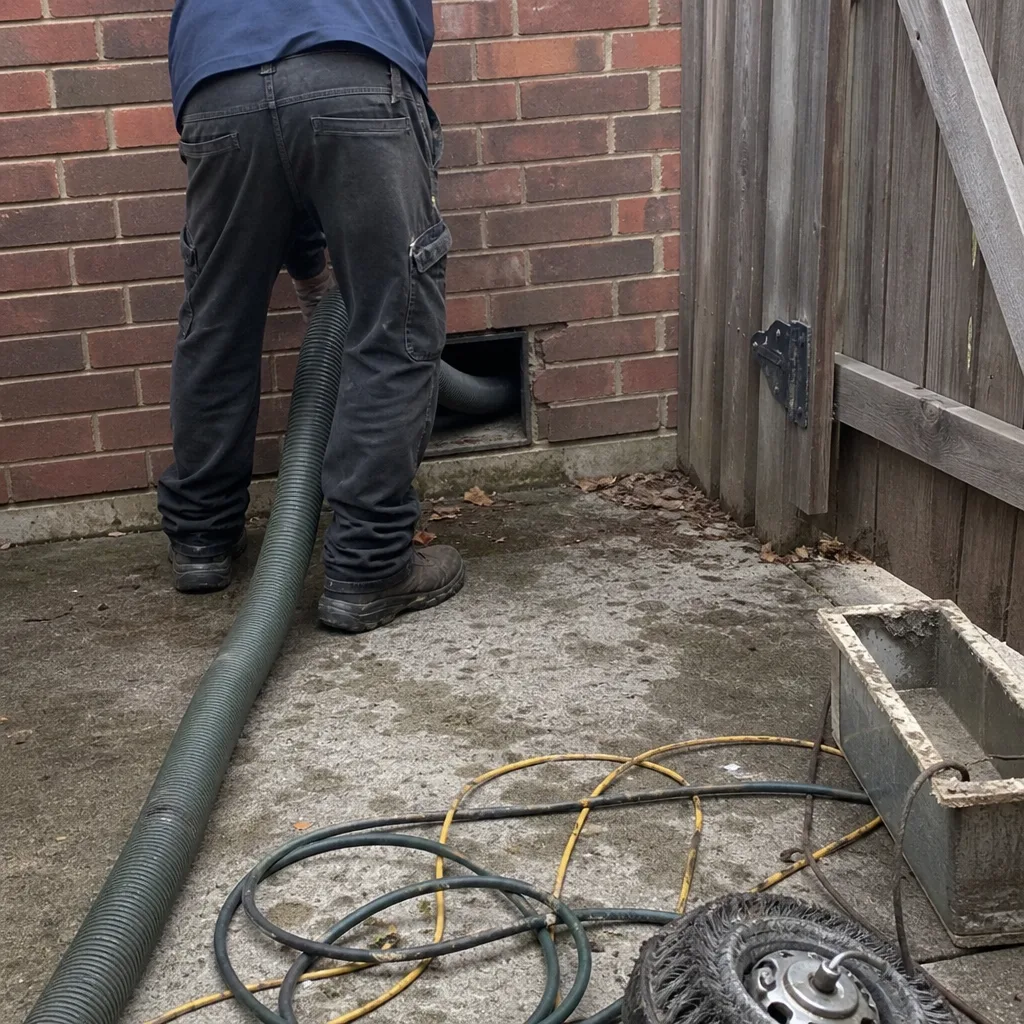 Before
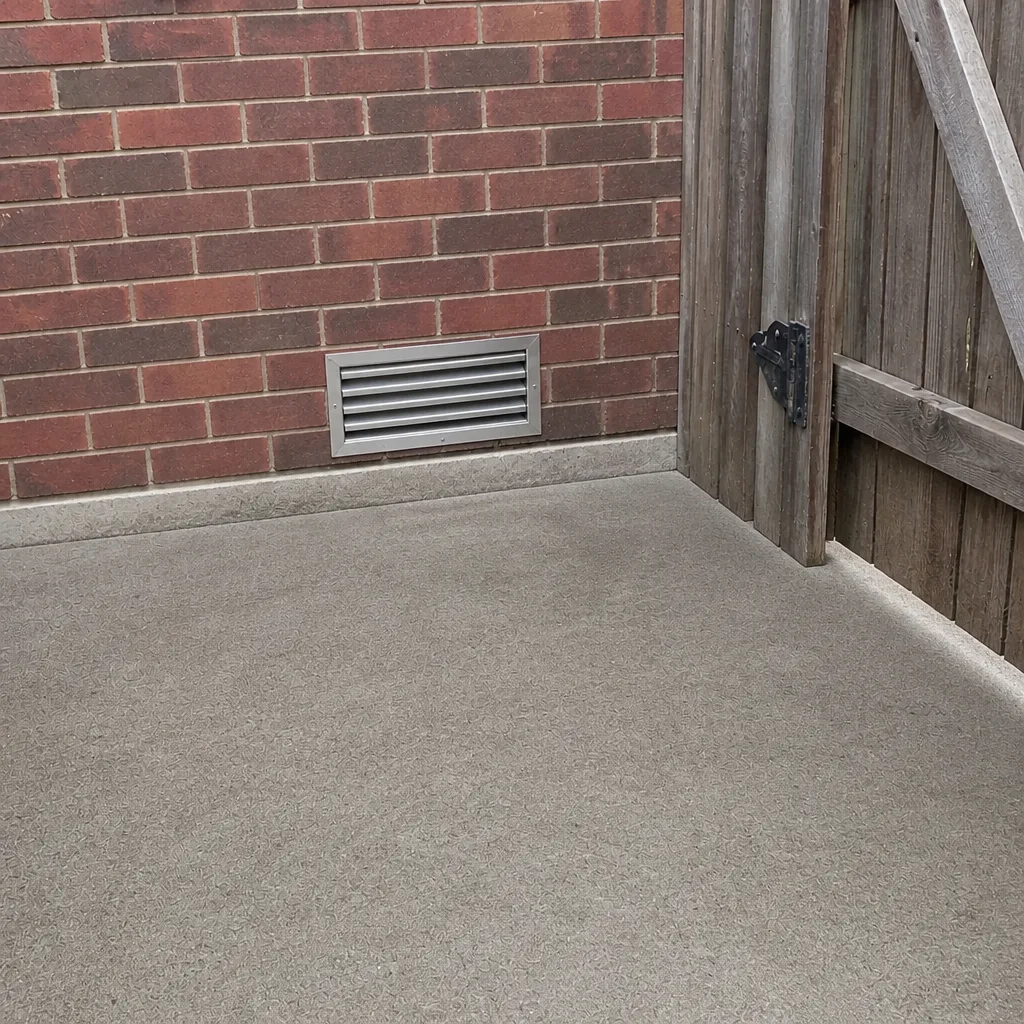 After
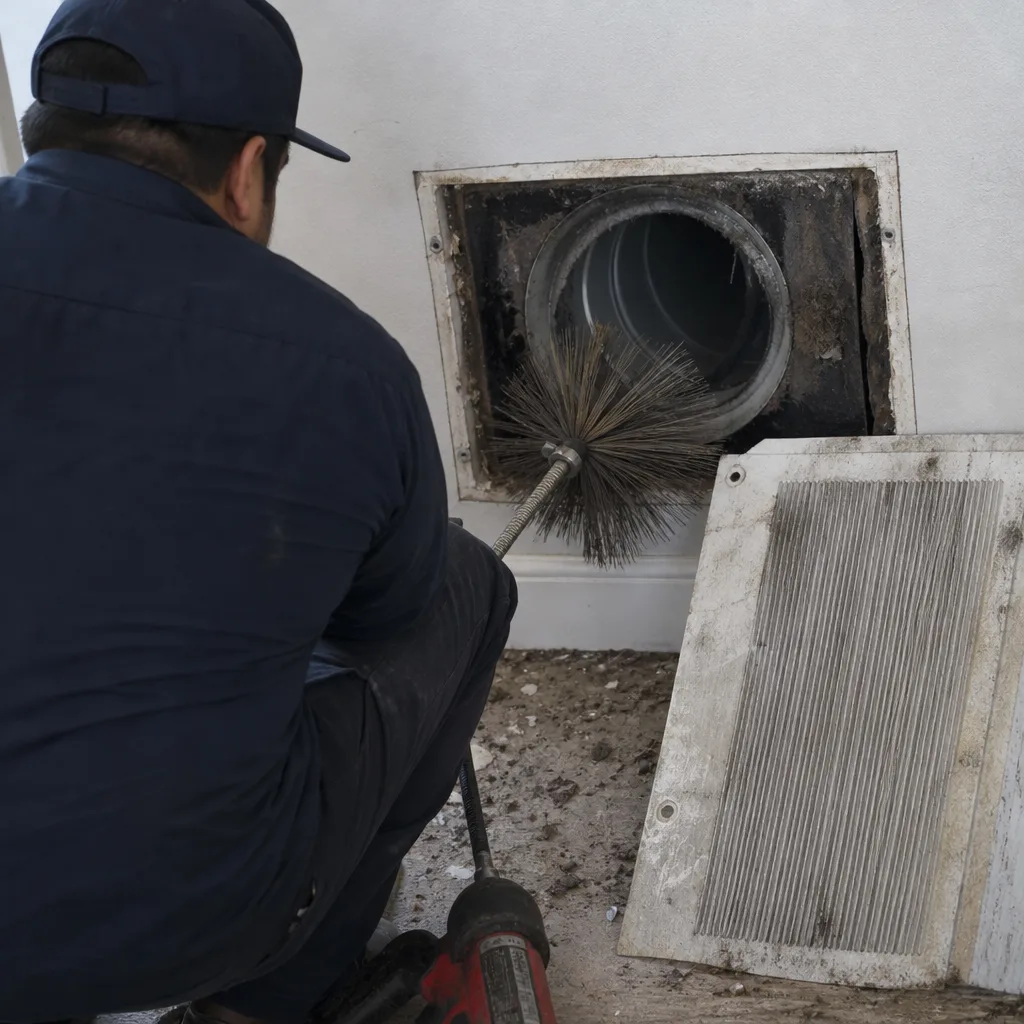 Before
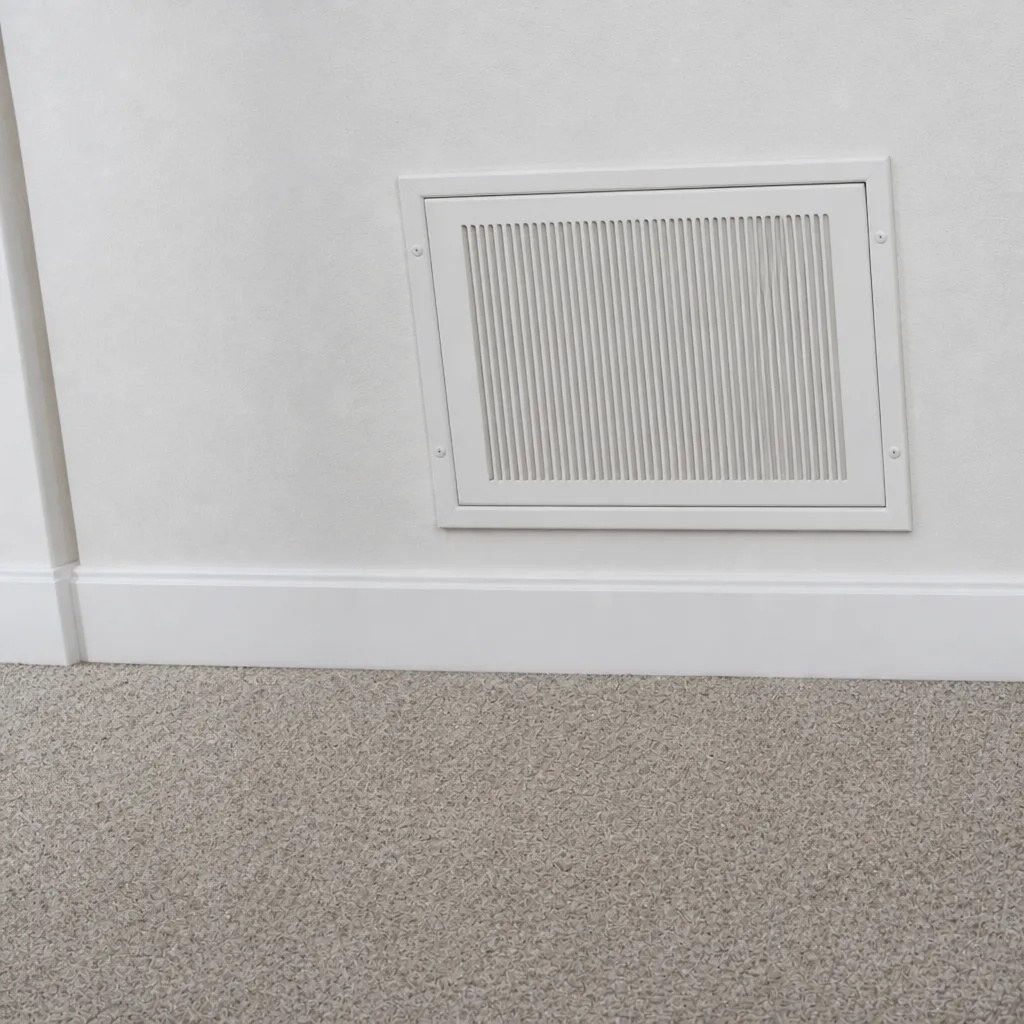 After
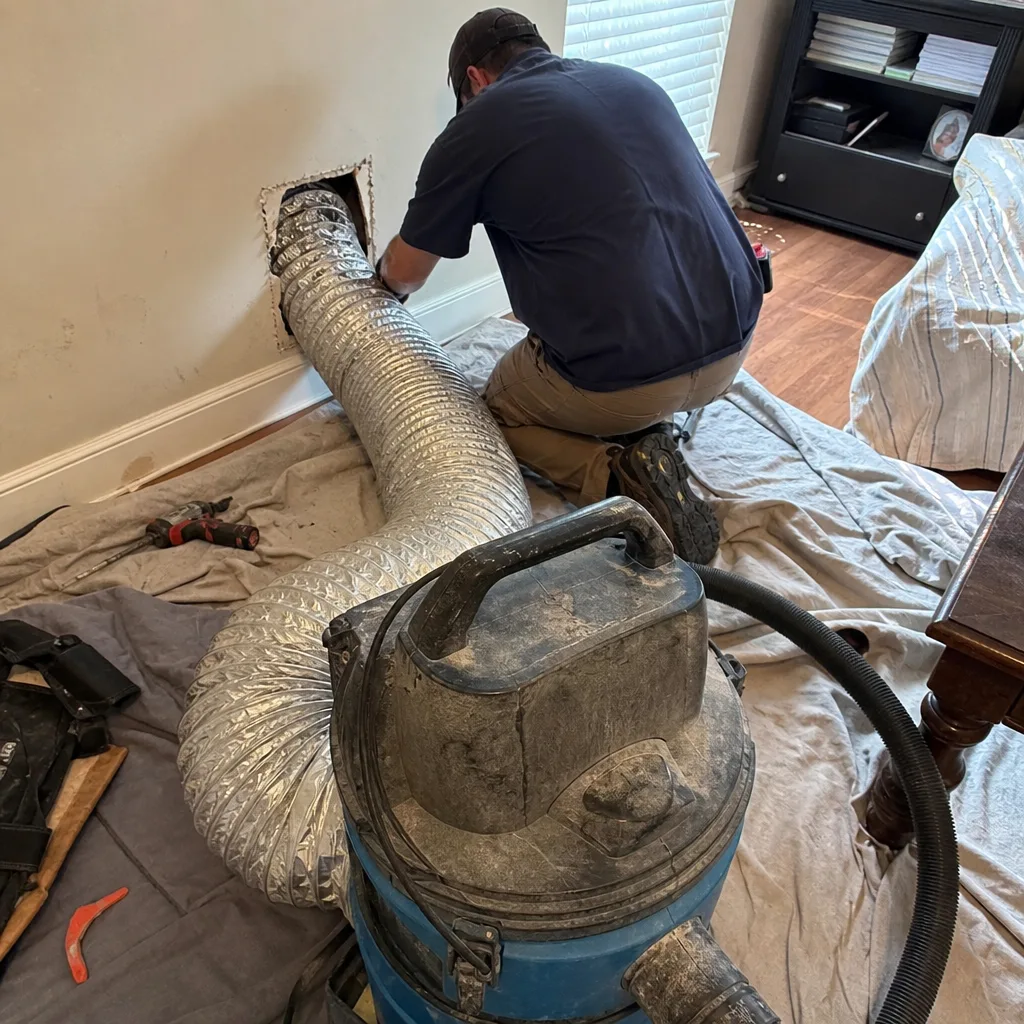 Before
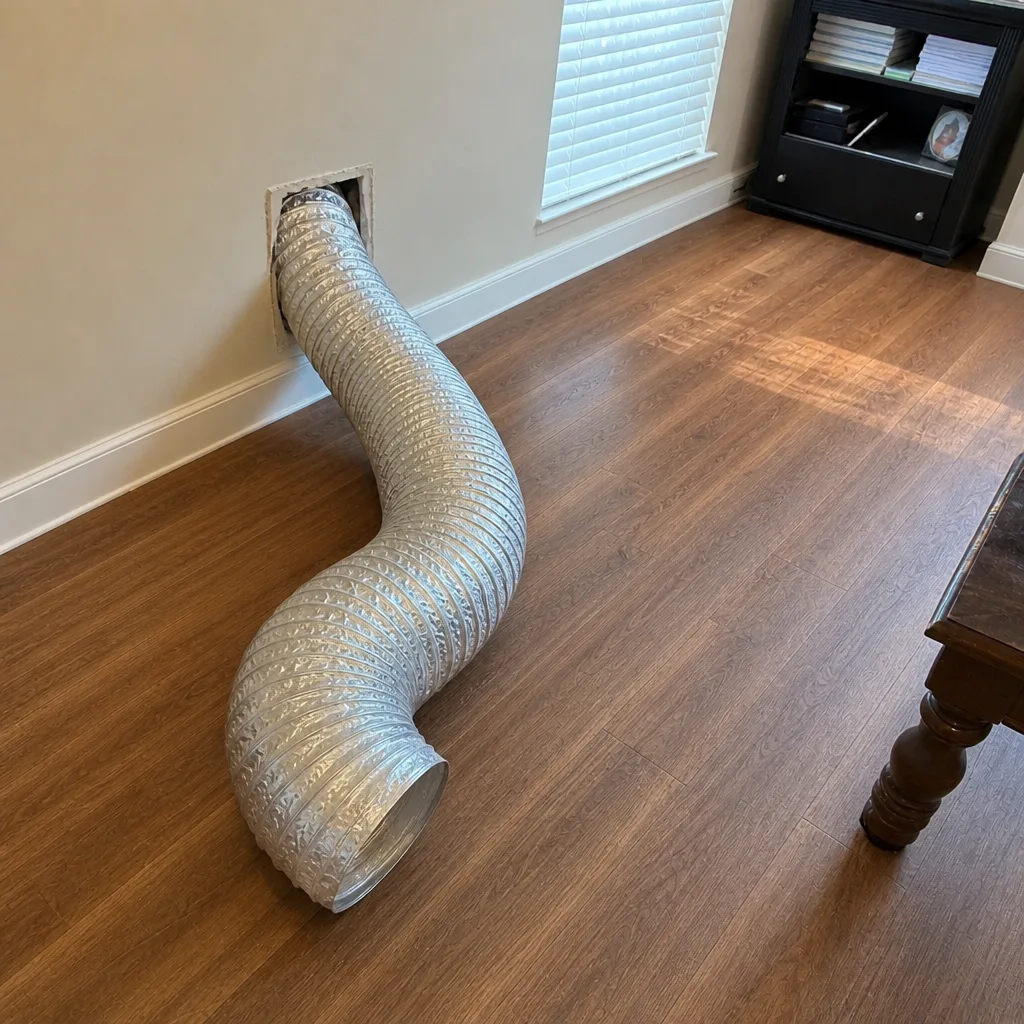 After
Frequently Asked Questions
Air duct cleaning in Richardson typically depends on the number of runs, the type of ductwork, and whether repair work is needed, so the estimate is set per job by a written quote after a site visit rather than a per-vent price. Whole-system work is not a per-vent-priced commodity, and anyone quoting per-vent pricing without seeing the system is guessing. Call (877) 741-8677 for a free estimate; the number you’re quoted is the number you pay, confirmed in writing before work starts.
The most likely cause is incomplete removal during the cleaning, leaving a residual dust layer that becomes airborne once the system runs again. The second most likely cause is moisture in the duct system feeding biological growth, usually because insulation has degraded in the attic run. If the musty smell started right after the cleaning, incomplete removal is the answer. If it developed gradually since the cleaning, moisture is more likely. Either way, a diagnostic inspection comes before a second cleaning.
There’s no single right interval, and any company that tells you a fixed number without inspecting your system is guessing. In our experience across Richardson homes, the practical indicator isn’t time, it’s the presence of visible debris on duct interior surfaces, recurring musty smells, or a change in airflow balance. For homes in the 1970s and 1980s housing stock, flex duct condition is often the more important variable than cleaning intervals.
Ask for before-and-after photos of your own ducts, taken from the same position inside each run, showing the interior before and after cleaning. That’s the single most reliable proof, because it’s your system, not a stock photo. A serious specialist will also walk you through the register map, confirm which runs were cleaned, and note any findings in the returns or air handler cabinet. If a company can’t show you the interior evidence, that’s a significant warning sign.
Cheaper quotes usually reflect a different service, not a better deal. A shop vacuum and a short hose reaches maybe the first few feet of a branch, pulls some visible debris, and leaves the residual dust layer that causes odor complaints down the road. Professional-grade equipment including a rotary-brush system and HEPA-rated vacuum capture extracts debris from the full length of the run under negative pressure. The two jobs look similar on a phone quote and are completely different on site.
Yes, and often that’s the right order and the right approach. Cleaning a leaky system accomplishes very little, because the system pulls attic air into itself immediately after cleaning. Repairing the failed sections first, then cleaning with proper negative pressure, gives you a result that holds. Our technicians repair and clean under one service, so you don’t have to coordinate three different trades.
Uneven airflow is usually a mechanical issue, not a dirt issue. The common causes are a disconnected or crushed flex branch, a return path leak, or a missing return in part of the home. Pull the register map described above and see which rooms are weak. If the weak rooms are also the ones farthest from the air handler, the diagnosis is probably a leak upstream stealing pressure. That’s a repair scope, not a cleaning scope.
The Bottom Line
Duct problems are diagnosable. A dust problem, a moisture problem, and a mechanical airflow problem each have distinct signatures you can confirm with a flashlight, your nose, and register mapping before you call anyone. The most common failure we see in Richardson homes is a prior cleaning that never reached the full length of the duct system, leaving behind the residual dust layer that causes musty odors. The second most common is a leaky or disconnected flex branch that recontaminates the system no matter how well it’s cleaned. Fix the leak, clean the system, document the result. That sequence produces a result that holds for years rather than months.
If you’ve worked through the checklist and you’re not sure which failure mode you’re looking at, or if you’ve confirmed a mechanical problem that needs proper repair, call Duct Cleaning Richardson at (877) 741-8677 for a free estimate. Every estimate is set by a written price per job, the work is documented with before-and-after photos of your own ducts, and we handle cleaning and repair under one service. We answer 24/7. Fast dispatch from 7am to 7pm, Sunday through Friday.
Written by the team at Duct Cleaning Richardson.