
Last updated November 15, 2026
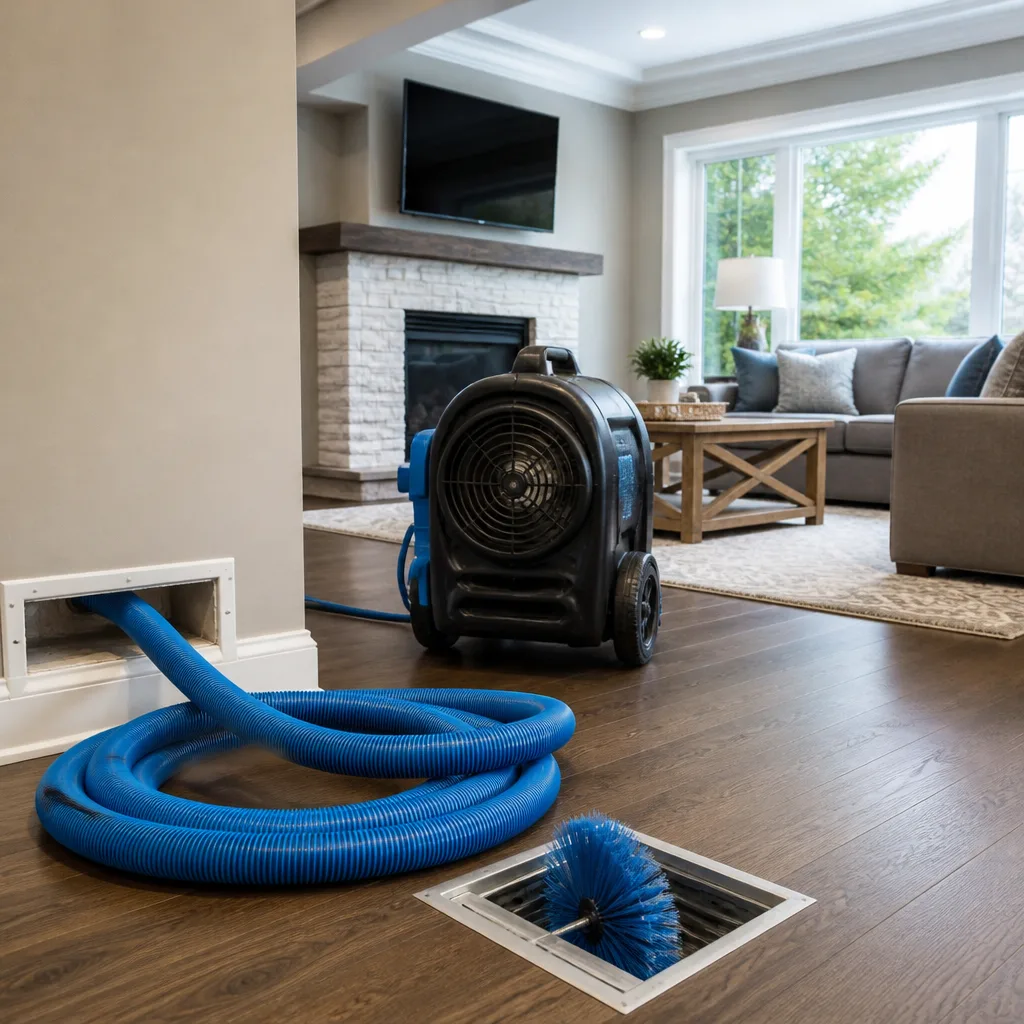 Whole-home duct cleaning
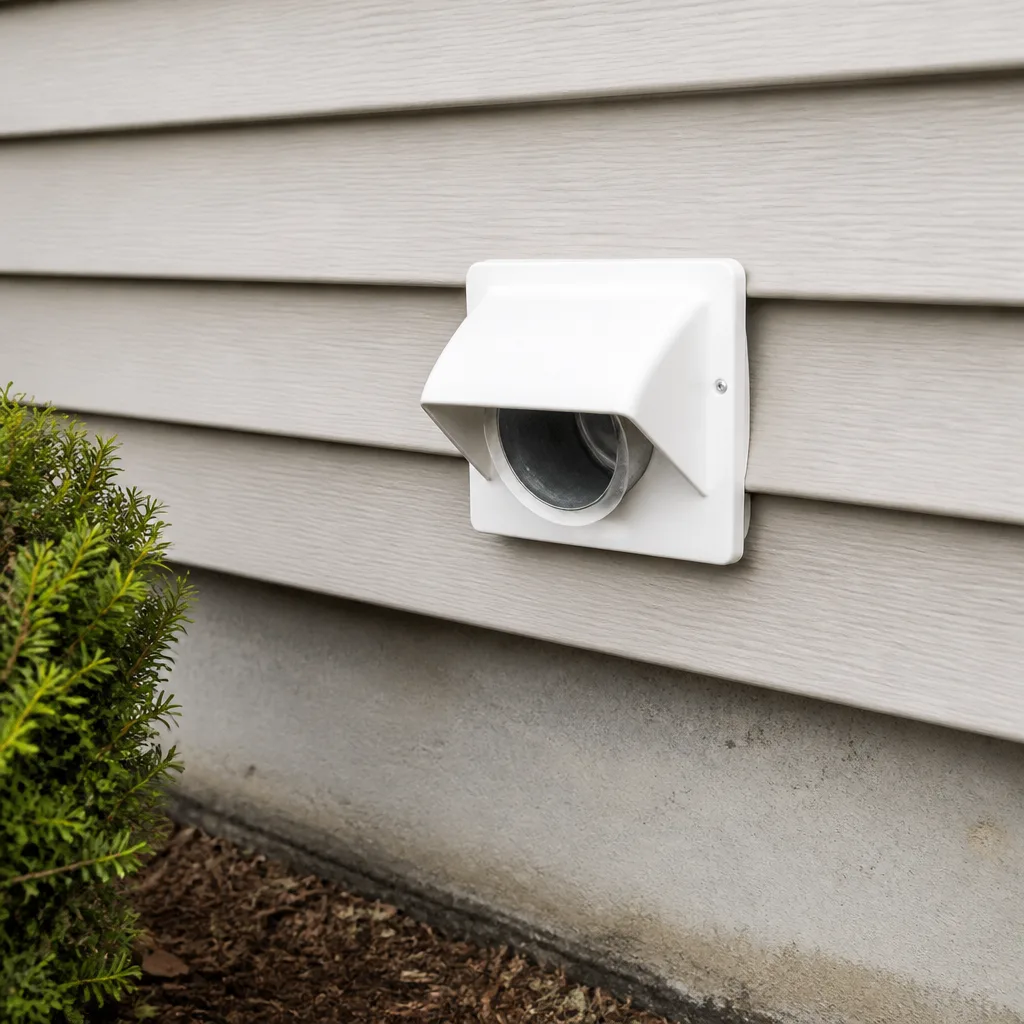 Dryer vent cleaning
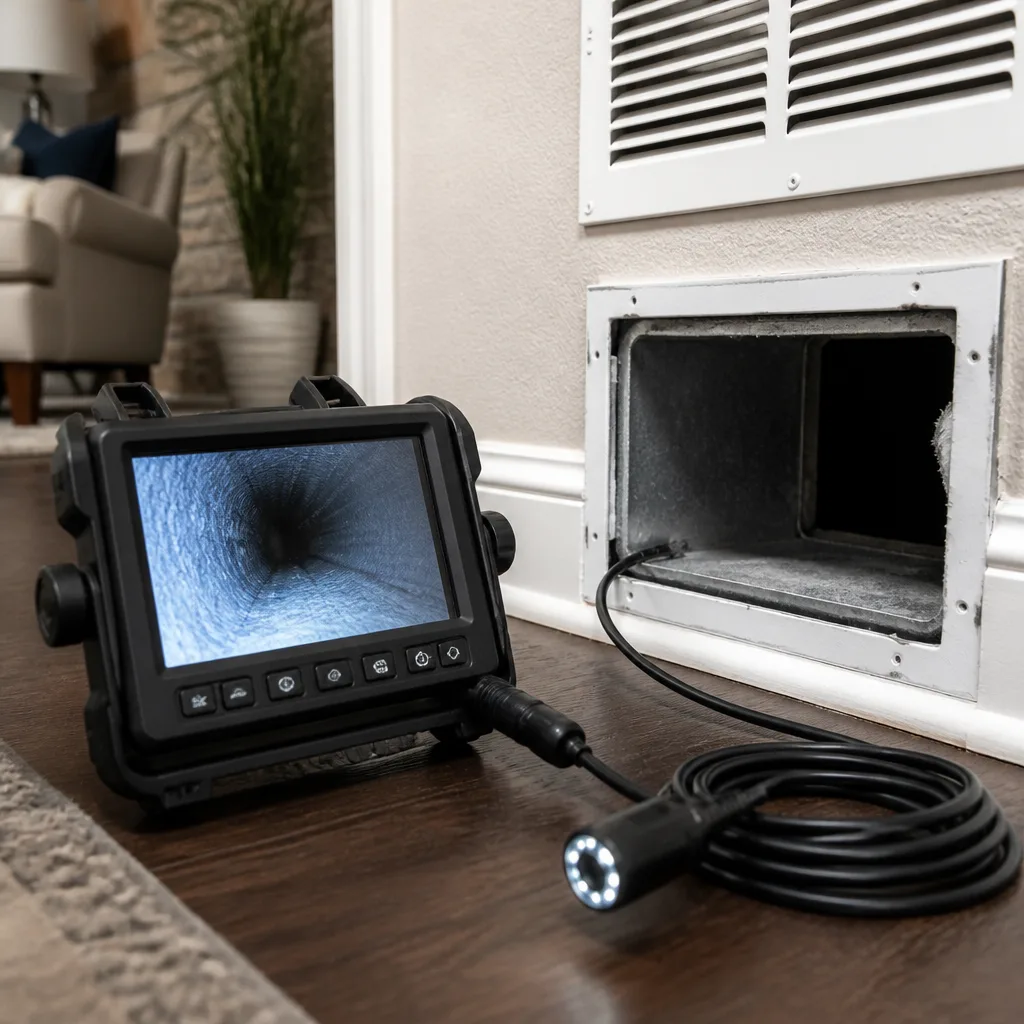 Camera inspection
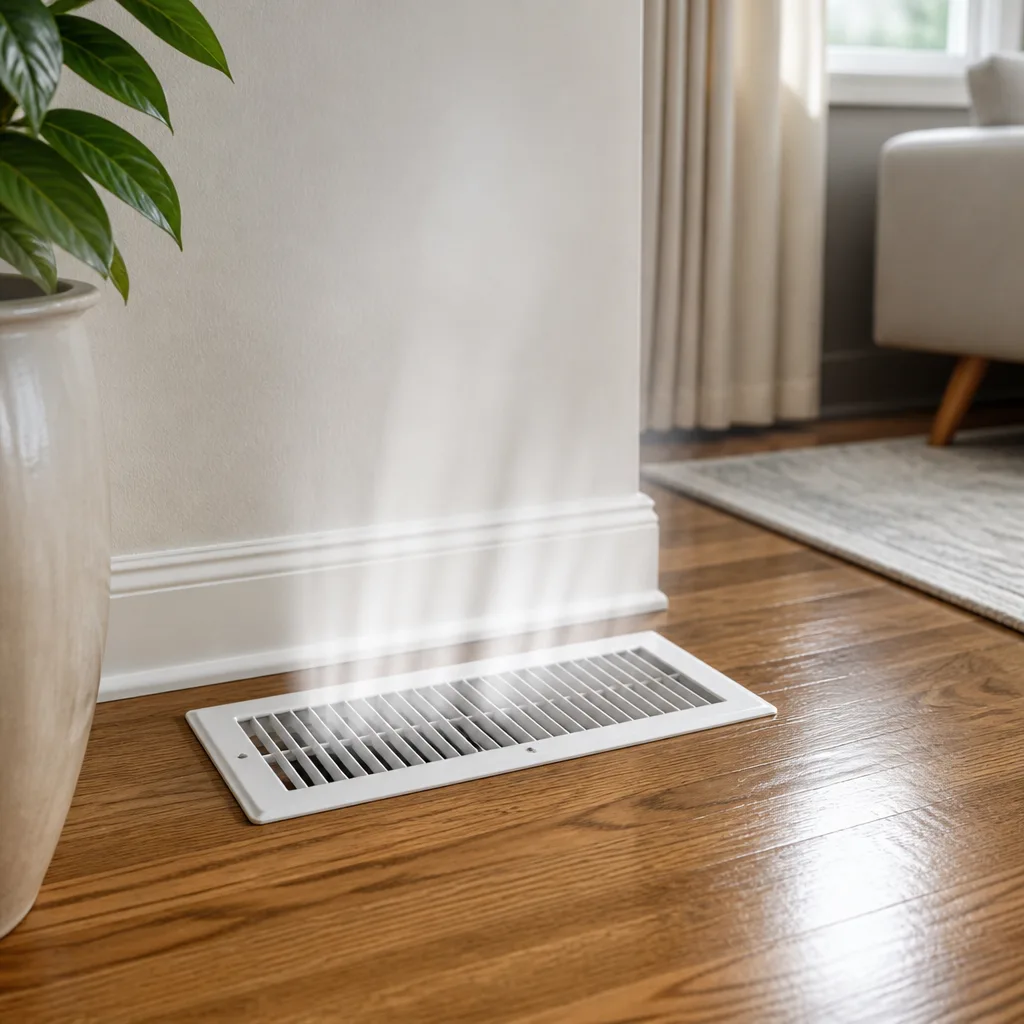 Sanitizing & deodorizing
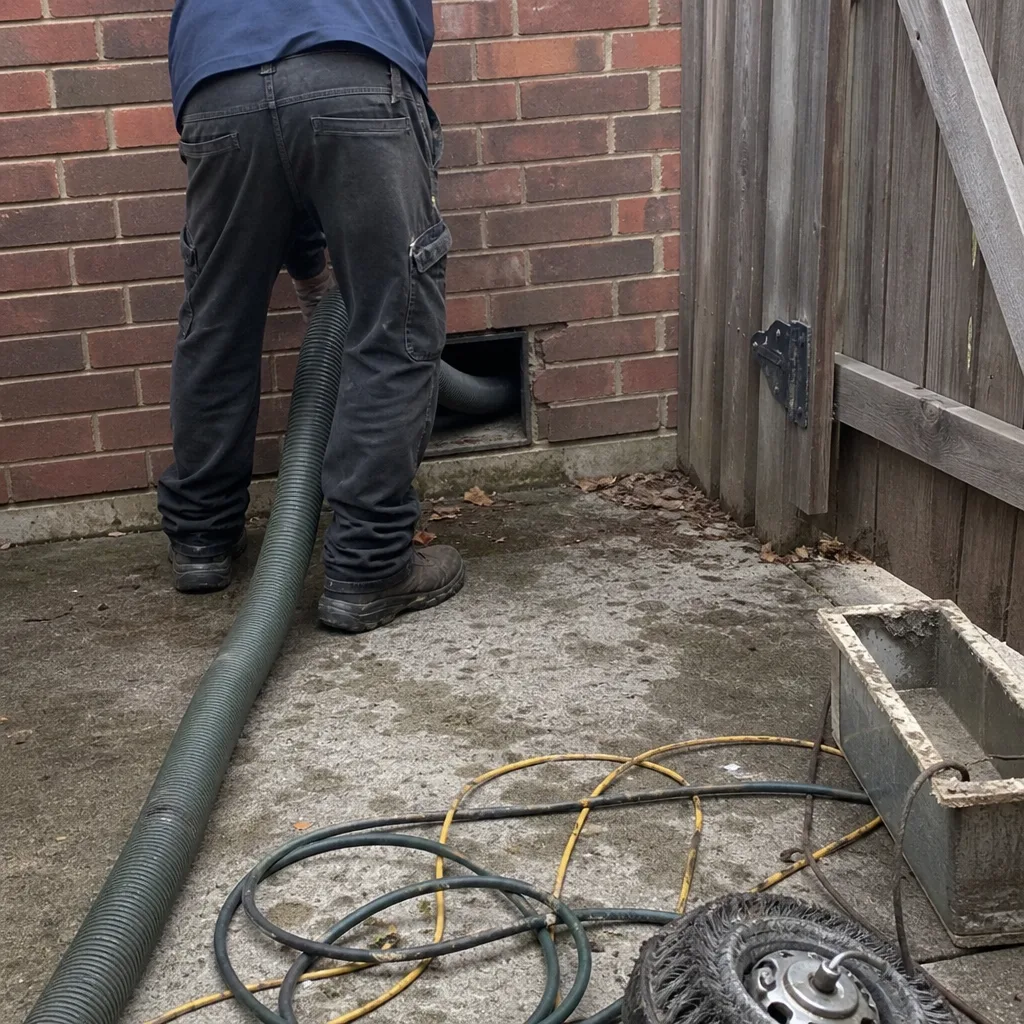
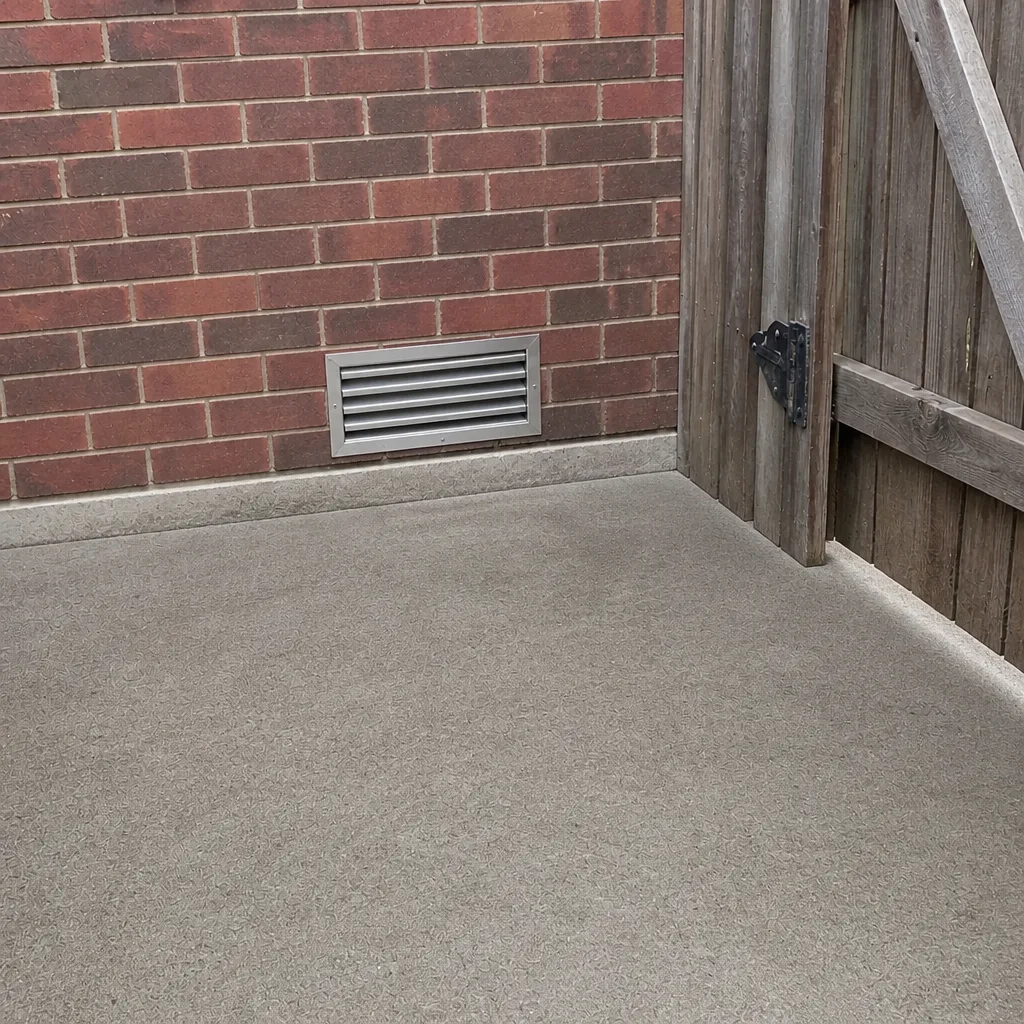
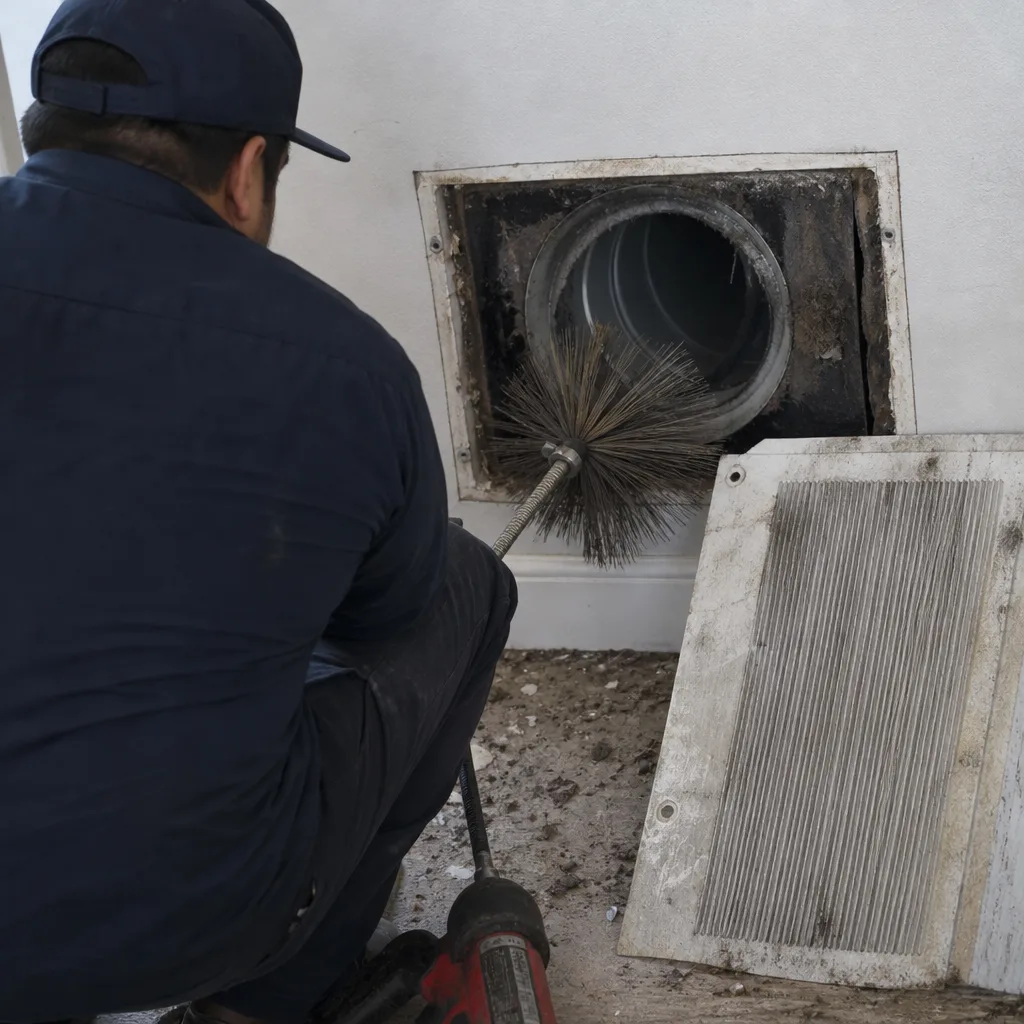
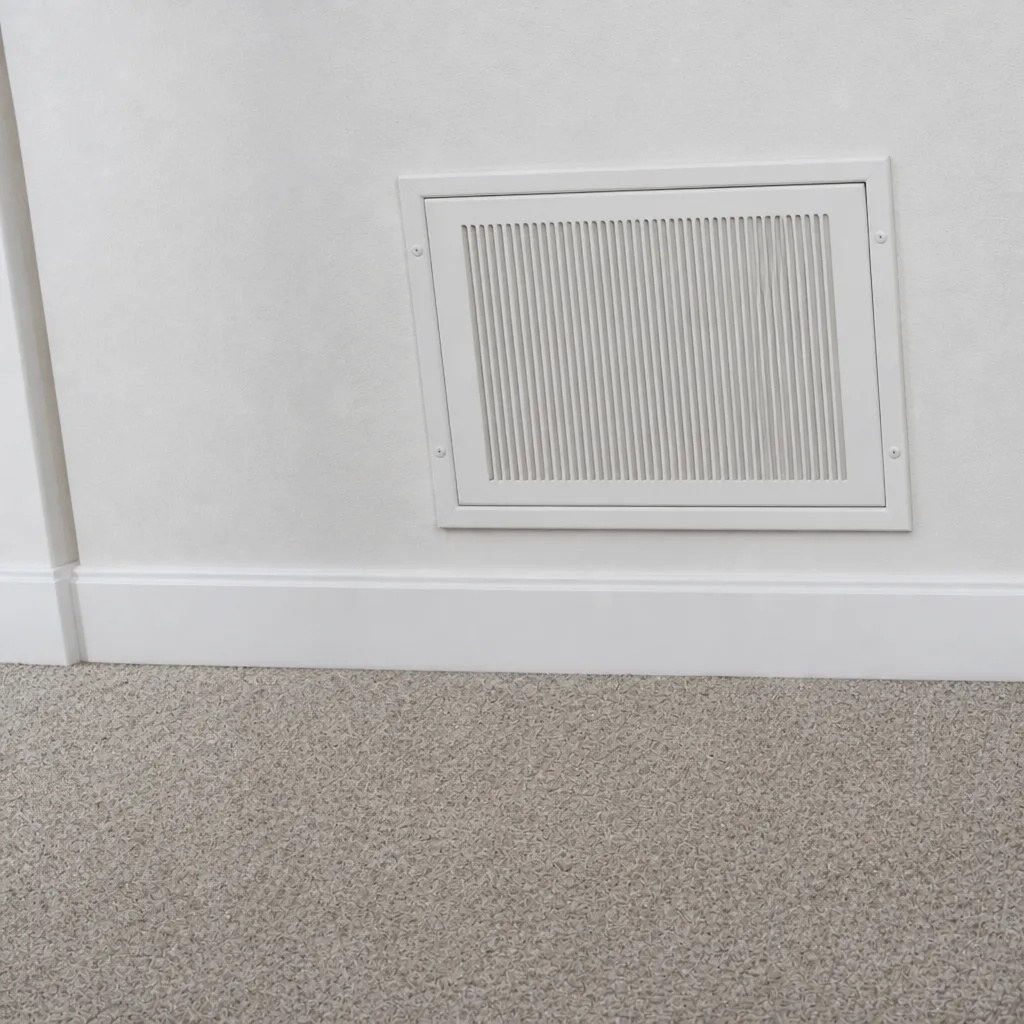
Whole-system duct and dryer vent check with before-and-after photos - you see exactly what came out of your vents
That "$99 whole-house special" is a bait ad - the real number appears once they are in your hallway, or the "clean" is a shop-vac at the register. We photograph the inside of your ducts before and after instead.
Air Duct Cleaning Maintenance Checklist for Richardson Homeowners
Most homeowners think duct maintenance means changing the filter every few months and calling someone when something smells. That approach misses the point. A maintenance checklist isn’t a reminder list; it’s an early-warning system. Dust in a duct doesn’t announce itself, and by the time a Richardson home has a musty smell in the hallway or a bedroom that never gets cool, contamination has usually been building for a while. Richardson runs its air conditioning hard from April through October, and spring pollen here is heavy. That compressed cooling season is why the standard 3 – 5 year cleaning interval often shrinks for local homes. This guide walks through a month-by-month checklist built around Richardson’s actual seasons, how to read a dirty filter for warning signs, what supply registers say about duct health, and when a filter swap solves the problem versus when to call a specialist.
Quick Answer
A duct maintenance checklist for a Richardson home should include filter inspection every month, a supply register visual check each season, a dryer vent lint and exterior cap inspection twice a year, and a professional duct cleaning every 3 – 5 years, or closer to 2 – 3 years in homes with pets, allergy sufferers, or heavy summer AC use. Spring pollen and long cooling seasons speed up contamination, so checking in March and again in September catches most problems before they need full remediation.
Styles & brands we work with
- Whole-home duct cleaning
- Dryer vent cleaning
- Camera inspection
- Sanitizing & deodorizing
Table of Contents
- Why Richardson’s Climate Changes the Maintenance Calendar
- Month-by-Month Duct Maintenance Checklist
- How to Read a Dirty Filter for Duct Contamination Risk
- Supply Register Inspection: Normal Dust vs. Warning Sign
- Dryer Vent Maintenance Alongside Duct Care
- When a Filter Swap Solves It and When to Call a Specialist
- What Professional Duct Cleaning in Richardson Actually Involves
- Common Mistakes to Avoid
- When to Call a Professional
- Frequently Asked Questions
Why Richardson’s Climate Changes the Maintenance Calendar
Generic duct maintenance advice assumes a roughly neutral climate with two short transition seasons. Richardson doesn’t work that way. The cooling season starts in April and runs through October, so the HVAC system is pushing air through the same ducts for seven months of the year. Add spring pollen settling into return grilles and summer humidity that can feed biological growth in damp duct liners, and the standard “clean every 3 to 5 years” guidance starts to compress.
In our experience, homes in neighborhoods like Canyon Creek and Prairie Creek that run the AC hard through the summer tend to hit noticeable dust buildup in the supply trunks sooner than the national calendar would suggest. Homes with two or more pets, or with a family member who has asthma or spring allergies, usually need the cleaning interval pulled in to every 2 to 3 years.
The point isn’t to sell more frequent cleanings. It’s to match the maintenance schedule to how the house actually lives. A home near the Bush Turnpike with two dogs and a pollen-sensitive kid has different duct load than a single-occupant home that keeps windows open in March. A Richardson maintenance checklist that treats every house the same is missing the local variable that matters most.
Month-by-Month Duct Maintenance Checklist
The calendar below is built around Richardson’s actual weather patterns and pollen timeline, not generic quarterly reminders. Print it, stick it to the fridge, and check off each item as it comes.
- January: Inspect the filter. With light heating load, this is a low-stress month – good time to note filter type and write down the size for future swaps. Check return grilles for visible dust accumulation.
- February: Look behind the return grille with a flashlight. If you see a fuzzy gray layer on the grille fins themselves, note it – that’s early buildup, not yet a duct problem.
- March: Spring pollen arrives. Inspect the filter every two weeks through April. Wipe return grilles weekly. This is the highest-pollen window in Richardson, and the return pulls that pollen into the system.
- April: Cooling season begins. After the first two weeks of AC use, do a supply register walk-through. Check every bedroom and living space for airflow feel and dust patterns.
- May through September: Peak AC use. Check the filter monthly. Inspect the condensate line once monthly – a clog won’t contaminate ducts directly, but it can raise indoor humidity and stress the system. Do a supply register visual check at the start of each month.
- June: This is the best window for a professional duct cleaning if the last one was 2 to 3 years ago. Cleaning before the hottest stretch keeps efficiency from dropping in peak cooling season.
- October: Cooling season ends. Do a full supply register inspection – this is when you’ll see what a full summer of airflow deposited. Inspect the dryer vent lint trap and exterior cap before the heating season begins.
- November and December: Heating season is light in Richardson. Check the filter monthly, and inspect the exterior dryer vent cap after any heavy rain to make sure it’s still closing properly.
Twice a year – in March and October – also walk the outside dryer vent cap and confirm the flapper closes. That’s covered in more detail further down.
How to Read a Dirty Filter for Duct Contamination Risk
Most homeowners treat a filter as either “clean enough” or “replace it.” But a filter carries information about what’s happening upstream in the ducts. Reading it correctly tells you whether the ductwork is loading up or staying clear.
Here’s what to look at:
- Even gray dust across the whole filter face: normal. That’s what the filter is there for, and it means the return is doing its job.
- Heavy dust on one side of the filter, light on the other: a sign of uneven return airflow, often from a partially blocked or disconnected return duct. Worth investigating before it becomes a bigger problem.
- Black or dark staining on the filter: could be soot, mold, or trapped pollen. In Richardson, spring pollen can darken a filter quickly; if it’s happening outside pollen season, have the ducts inspected.
- Filter clogging faster than usual (in under 4 weeks): the return is pulling more particulate than it should. That signals dust or debris sitting inside the return trunk itself.
- Filter falling out of its frame or bending inward: the pressure differential across a restricted filter has become excessive. Restricted airflow means the system is working harder, and dirt is likely bypassing the filter at the edges.
If you’re seeing the third, fourth, or fifth pattern above, swapping the filter more often won’t solve it. Those patterns point to conditions inside the ductwork that need a professional inspection. Our team uses air duct cleaning equipment that includes Nikro HEPA-rated vacuums for verified particulate capture, which is what separates a real inspection from a flashlight peek.
Supply Register Inspection: Normal Dust vs. Warning Sign
A supply register is the vent where conditioned air enters a room. What you see inside the register and on the surrounding ceiling or wall tells you a lot about duct health – if you know what to look for.
Normal, expected accumulation:
- A light, even film of dust on the register face that wipes off easily with a damp cloth.
- Minor dust on the ceiling directly around the register – the air stream carries a small amount of fine particulate.
- Faint streaks that wipe away cleanly with no staining.
Warning signs worth noting and following up:
- Thick, fuzzy or fibrous dust on the register fins themselves (not just the face).
- Dark gray or black staining on the ceiling around the register that doesn’t wipe off – this pattern often points to airborne soot or mold spores escaping the duct system.
- Visible debris inside the register boot after removing the grille with a screwdriver.
- Noticeably uneven airflow between registers on the same floor.
- Musty smell when a specific register first pushes air after the AC cycles on.
Checking your supply registers in March and October gives you two clean data points a year. If you’re seeing any of the warning signs above in a Richardson home, that’s the moment to have a specialist look rather than waiting another season. A compromised or disconnected duct is one of the cases where we can repair it rather than just clean it, which is a capability most generalist HVAC services don’t offer.
Dryer Vent Maintenance Alongside Duct Care
Air duct maintenance naturally pairs with dryer vent maintenance, because both are airflow systems that slowly collect material and both have real safety stakes. The dryer vent is arguably the higher priority of the two – lint buildup is a fire hazard, not just an efficiency drag.
Here’s the homeowner-side checklist on the dryer vent:
- Every load: clear the lint trap. This is the single tap that matters most. Don’t just peel the lint sheet – feel the screen with your fingers to confirm airflow is unobstructed.
- Once a month: pull the dryer out gently and confirm the flexible duct behind it isn’t crushed, kinked, or packed with lint. Crushed flex duct is a fire risk and an efficiency loss in one.
- Every three months: walk outside and locate the exterior vent cap. Confirm the flapper opens freely and closes flat. Lift the cap and look inside – you shouldn’t see a mat of lint farther than a couple inches in.
- Twice a year: run the dryer for ten minutes and step outside. You should feel strong warm airflow from the cap. Weak or warm-damp airflow means the line is compromised or partially blocked.
- Every 1 to 2 years: have the dryer vent professionally cleaned. This is one of our core services, treated as a dedicated fire-safety task – not an upsell tacked onto a duct cleaning. dryer vent cleaning with a rotary brush through the full line is the standard.
If you notice the dryer taking longer to dry clothes, or the outside of the dryer getting hot to the touch during a cycle, stop using it and call for an inspection. Those are the two most reliable early signs of a restricted dryer vent.
When a Filter Swap Solves It and When to Call a Specialist
Not every duct concern requires professional cleaning. Knowing the difference keeps you from overpaying and also from under-responding to a real problem.
A filter swap genuinely solves it when:
- The filter itself is dirty, but the registers are clean and airflow is even.
- The dust problem appeared suddenly after a home renovation or a pollen-heavy week and the filter is loading faster than usual.
- Rooms feel fine – no musty smell, no uneven cooling.
- You’re within the expected filter change window and just forgot.
A specialist inspection is warranted when:
- You’re seeing the register warning signs in the previous section (dark staining, debris in the boot, musty smell on first push).
- Airflow is noticeably weak in some rooms and strong in others, and it’s not just a closed damper.
- Someone in the household has developed new or worsening allergy symptoms, or asthma is flaring inside the house but not outside.
- The last professional cleaning was more than 3 years ago, and you have pets or a family member with respiratory sensitivity.
- The dryer is taking two cycles to dry a standard load.
The honest answer we give Richardson homeowners is this: a filter swap fixes the filter, a professional cleaning fixes the ducts, and a duct repair fixes the leaks and disconnections that no amount of cleaning will hold. All three are available in one visit with us, which is unusual – most companies clean only, or service only the HVAC unit itself.
What Professional Duct Cleaning in Richardson Actually Involves
If your checklist has pointed toward professional cleaning, it’s worth knowing what a proper job looks like. The difference between a thorough clean and a surface pass comes down to equipment and method.
A professional-grade air duct cleaning job in a Richardson home should include these steps:
- Inspection first. Each supply and return run is checked before cleaning. That’s how a compromised or disconnected duct gets identified, not by guessing.
- Negative air pressure setup. A high-powered HEPA vacuum connection is established at the main trunk, pulling air out of the duct system so dislodged debris is captured rather than pushed into the room.
- Rotary brush agitation. A Rotobrush rotary-brush system travels each duct run, mechanically lifting adhered dust from the duct walls. This is the key step that a shop-vac setup can’t replicate.
- Air filtration during service. Abatement Technologies filtration units run while the work is happening, so airborne particulate is contained. This is the same category of equipment used in professional remediation work; deploying it during a residential cleaning signals a serious indoor-air-quality standard.
- Manual cleaning of boot interiors and register grilles. The rooms-side components get attention too, not just the overhead trunk.
- Before-and-after documentation. Photos of your own ducts before and after cleaning should be part of the job, so you can see what actually changed.
- Upgrade options if needed. If the existing filter setup is undersized for the household, we supply and install Honeywell or Aprilaire whole-home air quality products – the same visit, not a second appointment.
If your ducts need Richardson service that includes repair as well as cleaning, that capability is one reason homeowners with older duct systems call us. Standard cleaning won’t fix a disconnected boot or a crushed flex run, and re-contamination is quick when compromised ductwork stays compromised.
A professional-grade clean is measured in coverage, not speed. Our technicians have up to 15 years of experience and can talk you through what they find before they start cleaning.
Common Mistakes to Avoid
- Replacing filters without ever inspecting the return grille. A fresh filter in front of a loaded return trunk is just a filter that will clog again in three weeks. Check the grille and boot before you assume the filter is the whole story.
- Assuming spring pollen means cleaning is unnecessary. Richardson’s heavy pollen season makes a full cleaning more useful, not less. Pollen stuck to duct walls doesn’t wash away with the next season.
- Running the AC on “fan always” through the summer. Constant fan circulation moves air through the ducts even when cooling isn’t needed, pulling more particulate into the system during the seven-month cooling season. Set the fan to “auto” unless you have a specific reason not to.
- Ignoring the dryer vent because the dryer still works. A partly restricted dryer vent can look fine from the laundry room while lint builds up inside the wall line. It’s a fire hazard before it’s a performance problem.
- Using a shop vacuum to “vacuum out” a register. A shop vac won’t create negative pressure in the duct system, and it can tip fine dust into the room air while you’re working. It’s a good way to spread contamination rather than remove it.
- Skipping the exterior dryer vent cap check after heavy spring rains. A stuck-open flapper lets moisture and outside debris into the dryer line through Richardson’s wet spring. Take the thirty seconds to check it.
- Waiting until the smell is obvious. By the time a musty odor is unmistakable through the house, contamination inside a duct liner is usually advanced. The earlier signs (uneven airflow, dark staining, rapid filter loading) are much cheaper to respond to.
When to Call a Professional
Call a professional if any of the following are true in your Richardson home: a supply register push-back of musty air, dark staining on the ceiling around a register, airflow noticeably uneven between rooms, a filter loading in under four weeks despite a clean return grille, a dryer taking two cycles for a standard load, or a duct cleaning that’s more than 3 years old with pets or allergy sufferers in the household. In each of these, a filter swap alone won’t solve it.
Duct Cleaning Richardson offers free estimates in Richardson for air duct cleaning, dryer vent cleaning, and air duct repair as a standalone service. Call (877) 741-8677 for a free estimate. Written estimates are set per job, agreed before work starts, and documented with before-and-after photos of your own ducts. We answer 24/7. Fast dispatch from 7am to 7pm, Sunday through Friday.
Frequently Asked Questions
Every 3 to 5 years for most homes, and every 2 to 3 years for homes with pets, allergy sufferers, or heavy summer AC use. Richardson’s cooling season runs seven months and spring pollen is heavy, which compresses the standard interval compared to national averages.
No. A dirty filter by itself just means the filter is doing its job. What points to a cleaning in Richardson is when the filter clogs faster than the expected cycle, or when there’s dark staining on registers, debris inside the register boots, or a musty smell on first airflow.
We don’t quote prices here because a written estimate sets the price per job, based on system size and condition. That’s the reason to call and get a real estimate rather than comparing teaser figures. Call (877) 741-8677 – estimates are free. We answer 24/7. Fast dispatch from 7am to 7pm, Sunday through Friday.
Before-and-after photos of your own ducts should be part of the job. That’s how you verify a professional clean happened in Richardson and see exactly what changed inside each run. Our team documents every job this way.
You can check filters, supply registers, and the exterior dryer vent cap yourself. Those are the readings that tell you when a specialist is needed. What you can’t do is pull debris from inside the duct trunk, which needs negative air pressure and rotary brush equipment.
No. Dryer vent cleaning should happen every 1 to 2 years, separate from the 3 to 5 year duct cleaning cycle. Dryer vent lint buildup is a fire hazard, and it fills faster than ductwork in Richardson homes if the dryer is used frequently.
Rotobrush rotary brushes and Nikro HEPA-rated vacuums for the cleaning itself, Abatement Technologies filtration units during service to keep indoor air clean while we work, and Honeywell or Aprilaire products when a homeowner wants a whole-home air quality upgrade.
The Bottom Line
A duct maintenance checklist is really an early-warning system, not a shopping list. Filter inspection monthly, supply register inspection twice a year, dryer vent cap check twice a year, and full duct cleaning every 3 to 5 years (2 to 3 in pet or allergy households) is the pattern that keeps a Richardson home out of full-remediation territory. The signs to act on are dark staining at registers, musty air on first push, rapid filter loading, and airflow that’s uneven between rooms. Handle those early, and a filter swap plus proper professional cleaning covers almost everything. If you’re near the front of the next cleaning cycle, call (877) 741-8677 for a free estimate.
Written by the team at Duct Cleaning Richardson.
See the difference
 Before
 After
 Before
 After
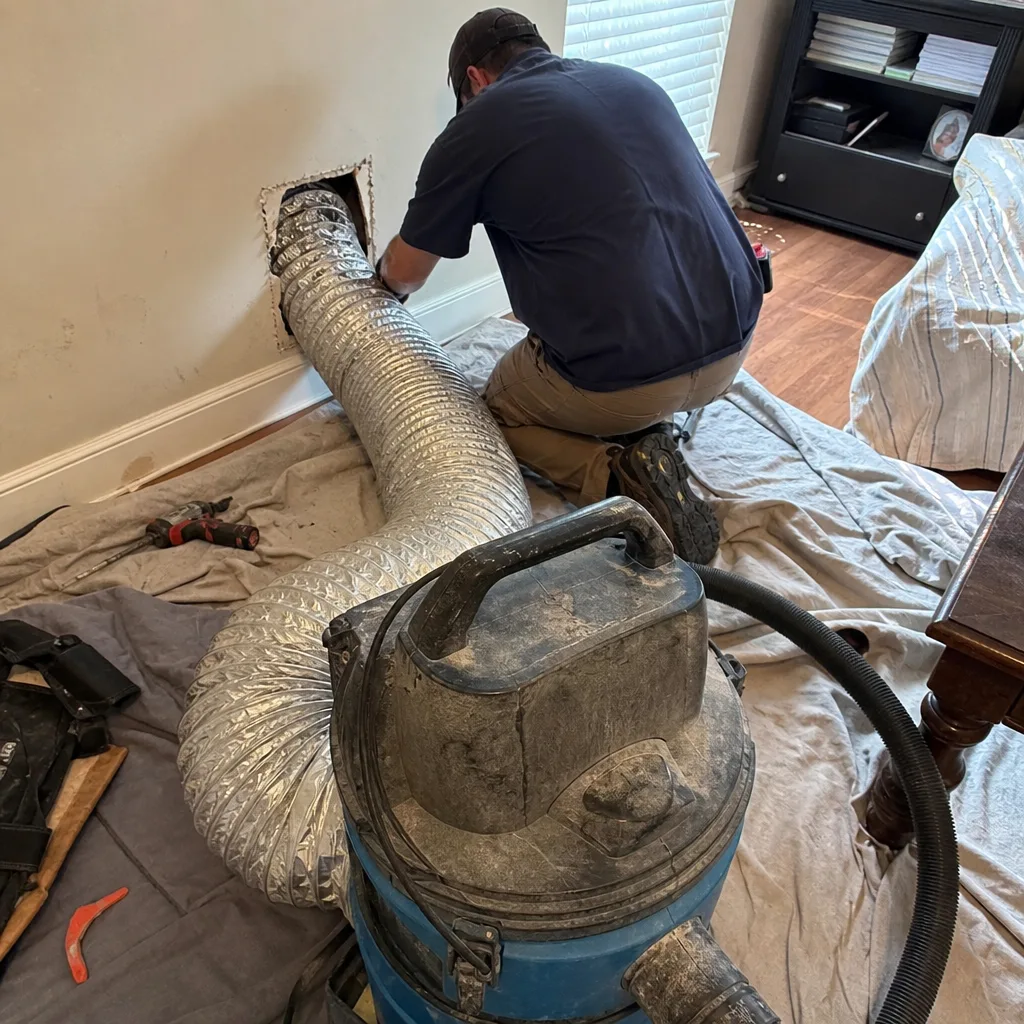 Before
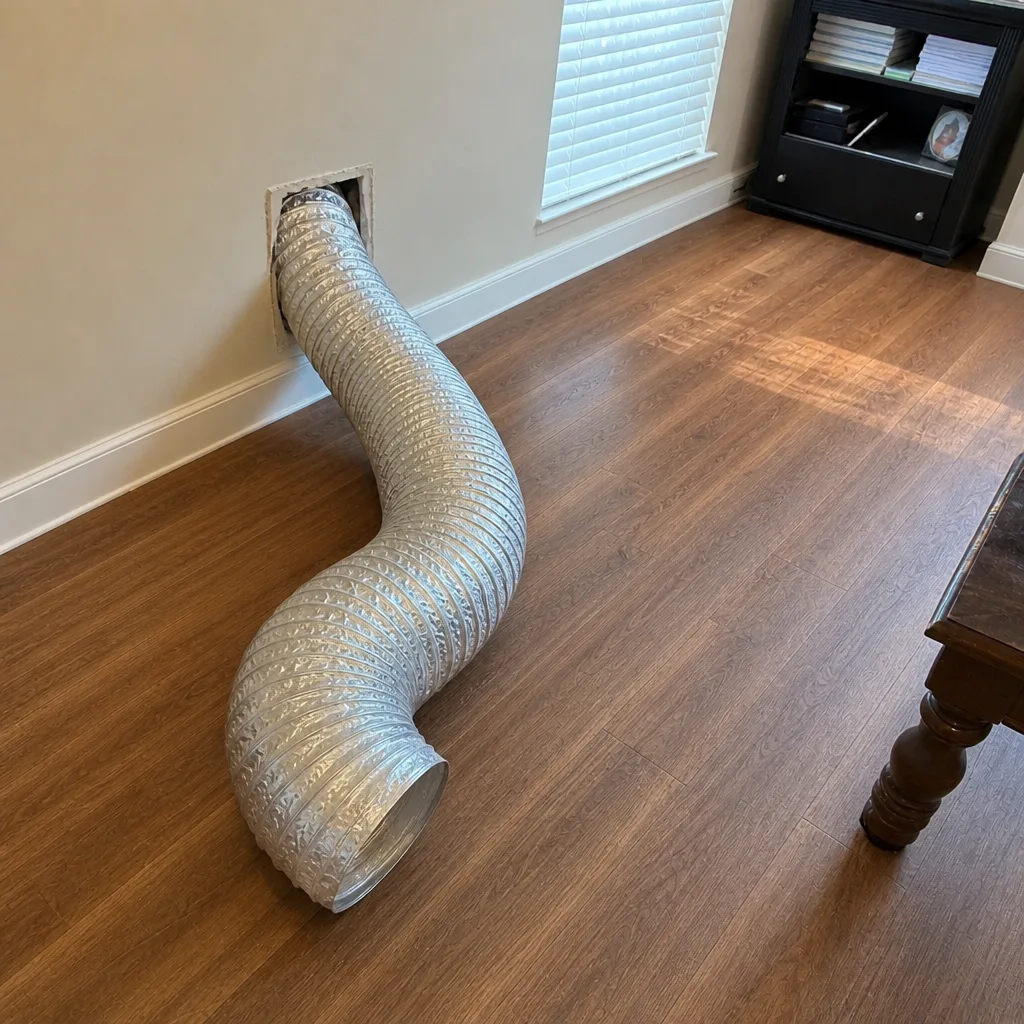 After