
Last updated November 15, 2026
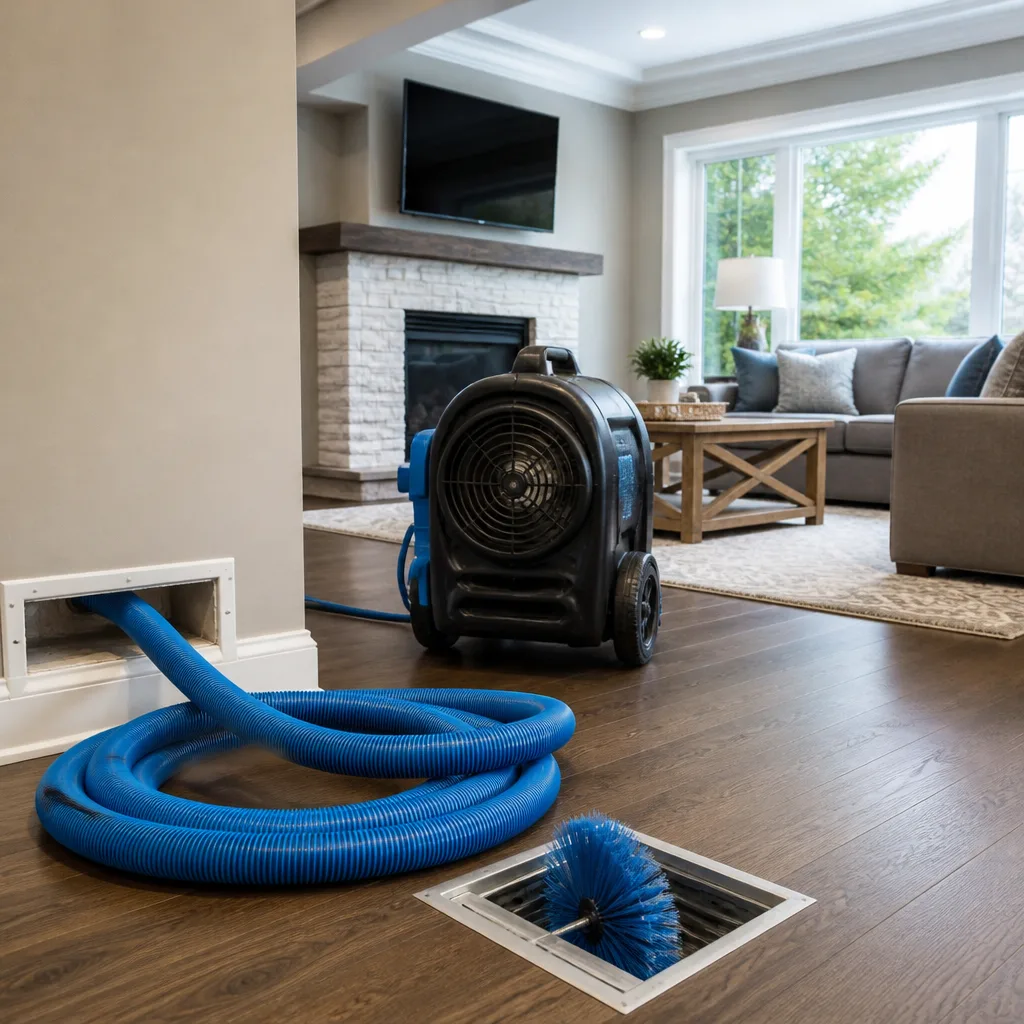 Whole-home duct cleaning
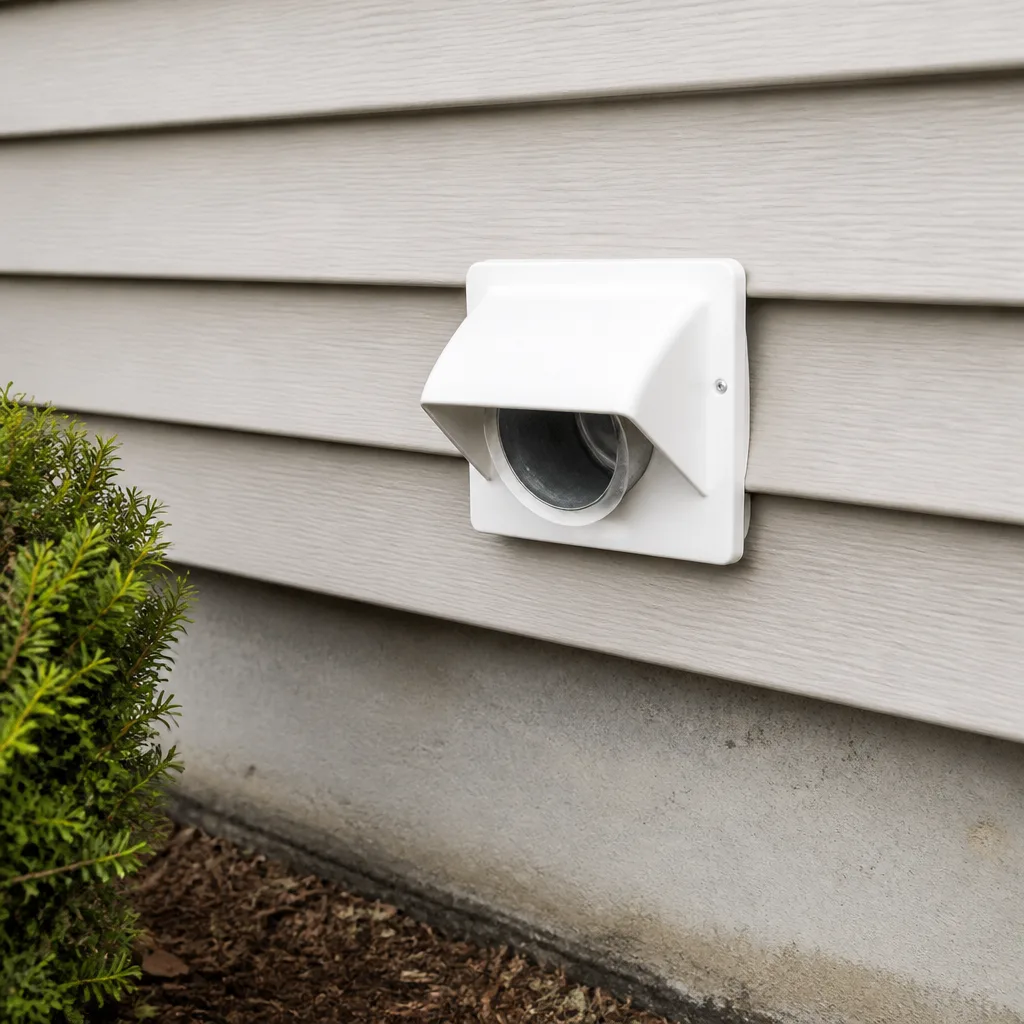 Dryer vent cleaning
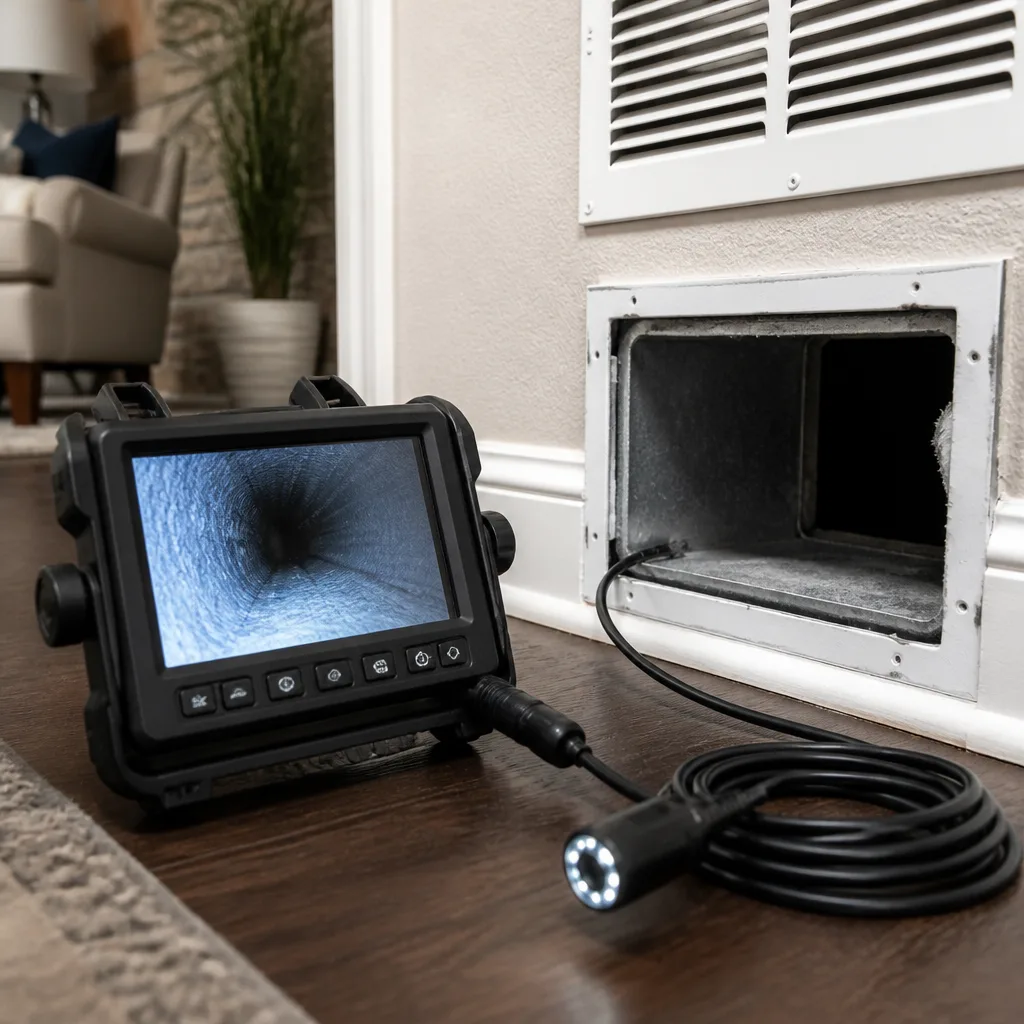 Camera inspection
 Sanitizing & deodorizing
Whole-system duct and dryer vent check with before-and-after photos - you see exactly what came out of your vents
That "$99 whole-house special" is a bait ad - the real number appears once they are in your hallway, or the "clean" is a shop-vac at the register. We photograph the inside of your ducts before and after instead.
Air Duct Cleaning Maintenance Schedule: What to Do and When
Most advice about duct cleaning hands you the same number: every three to five years. That figure predates the shift to tighter air filtration. As more Richardson homes run MERV-13 filters, the dust that used to slip through a filter now collects on duct walls instead. And the old universal schedule has no idea what to do with that. In this guide, we’ll build a maintenance calendar around what actually drives contamination in Richardson: the spring cedar and fall ragweed seasons, the heat load of a North Texas attic, and the people and pets in your home. You’ll learn when to inspect, what to do between professional cleanings, and how to document duct condition so nobody has to guess.
Quick Answer
Air ducts in Richardson homes should be inspected roughly every two years and professionally cleaned every three to five years, with tweaks for your household. Anchor the inspection to late spring (after cedar pollen) and early fall (before ragweed and heating season), and override the calendar entirely if you’ve renovated, added a pet, had a moisture event, or replaced your HVAC system. Tighter filtration accelerates debris loading, so a home on MERV-13 filters may need cleaning sooner than the calendar suggests. The short version: inspection on a schedule, cleaning on evidence.
Styles & brands we work with
- Whole-home duct cleaning
- Dryer vent cleaning
- Camera inspection
- Sanitizing & deodorizing
Table of Contents
- Why a Single “Every 3-5 Years” Rule Fails in Richardson
- The Two Distinct High-Load Windows in Richardson
- The Filter-Duct Interaction Most Homeowners Miss
- Triggers That Override Any Calendar
- What You Can Do Monthly and Annually to Extend Time Between Cleanings
- How to Document Duct Condition Over Time
- Building Your Personalized Richardson Maintenance Calendar
- When to Bring in a Specialist
Why a Single “Every 3-5 Years” Rule Fails in Richardson
The Environmental Protection Agency’s guidance that ducts should be cleaned “as needed” is sound, but it was written for an era when most homes ran basic fiberglass filters. As MERV-13 adoption spread, the filtration equation changed. A tighter filter catches more particles at the filter box, but it also changes pressure dynamics and sends a different mix of finer debris past the return grille. That debris settles on duct walls in ways the old three-to-five-year figure never modeled.
Richardson adds a couple of local variables on top of the filtration shift. The area sits in the middle of the North Texas allergen map, with a strong spring tree pollen load and a fall weed season that lands right as homeowners first run the heat. The typical Richardson attic also bakes through the summer. Attics routinely exceed 130 degrees Fahrenheit in July and August, and the supply ducts running through them expand and contract with that heat. Each cycle nudges dust and sealant toward loosening.
The result is that two homes on the same street in the Heights or around Prairie Creek can need completely different cleaning intervals. One runs a basic filter, has no pets, and keeps the windows closed. The other has two long-haired dogs, opens the windows during pollen season, and upgraded to MERV-13 without shortening the filter change interval. The first might go five years between cleanings. The second may be due at three, maybe sooner.
What actually drives contamination in a Richardson home comes down to a handful of variables:
- Filtration level and how often the filter is actually replaced
- Household composition, including pets, occupants with allergies, and number of bedrooms
- Whether windows and doors stay open during peak pollen
- Recent renovation, new construction dust, or a moisture event
- The condition of the ductwork itself, including any loose joints or disconnected runs
- Attic heat exposure on the supply side during summer
The right answer for you comes from reading those variables together, not from a number a competitor quotes on a mailer. If you’re curious how a specialist actually reads a duct system in person, that’s the work behind duct cleaning in Richardson when it’s done to a real evidence-based standard.
The Two Distinct High-Load Windows in Richardson
Richardson’s calendar has two peaks, and they’re different enough to justify two separate checkpoints. The spring peak runs from late February through April as cedar and other tree pollens release. The fall peak runs from mid-September through early November as ragweed season lands and homeowners first fire up the furnace. Between those windows, load is lower. During them, dust, pollen, and biological debris enter the return side faster than during any other stretch of the year.
This is why we treat inspection timing differently from cleaning timing. You want to look at the ducts after the spring peak has finished and again before the fall peak begins. That gives you two benchmark points per year and tells you whether the system is loading faster or slower than last cycle. A professional-grade inspection uses a camera and a shop-vac-free rotary brush to see what’s actually on the duct wall, not just what the return grille looks like.
Here’s how to structure those two windows:
- Late spring (after cedar pollen ends, typically late April): Do a visual inspection of the return grille and one supply register. If you’re on MERV-13, check the filter. Note any dust trails or discoloration.
- Mid-summer (July-August): Attic-side check. Look for condensation on the supply ducts and any sealant breakdown from heat cycling. This is the period where a compromised duct joint can pull attic dust into the airstream.
- Early fall (before you turn on the furnace, typically mid-September): A second visual inspection and filter change. If spring showed heavy loading, book a cleaning now so the heating season starts clean.
- Winter (December-February): Low-load period. This is when you catch up on any air-quality upgrades or duct repair.
Notice what’s not on that list: waiting for a symptom. In a Richardson home, the seasonal peaks are predictable enough that a maintenance calendar is better built around the peaks than around complaints. If you’re already used to seasonal air duct cleaning for a home or property manager portfolio, this is the rhythm that keeps the same property from overloading every fall.
The Filter-Duct Interaction Most Homeowners Miss
Upgrading to a MERV-13 filter is one of the best things you can do for indoor air quality, but it comes with a maintenance trap. A tighter filter catches finer particles, which means more of the air moving through the return side gets scrubbed before it reaches the coil. That sounds good, and it is. The trap is that the filter itself loads faster and the filter box sees higher static pressure. If you don’t shorten the filter change interval, the filter can block and force air to bypass around its edges. Bypass debris then travels past the filter and settles deeper in the duct run, right where a cleaning professional has to remove it.
We see this in Richardson homes that upgraded filtration two or three years ago and never touched the change schedule. The filter looks fine from the top, but the bypass lanes around the filter box and the first few feet of return duct show heavier loading than a home that never upgraded. Tighter filtration doesn’t cause contamination. But it accelerates loading when the filter discipline lags behind the filter rating.
A workable rule of thumb:
- MERV-8 and below: change every 60-90 days depending on pets and pollen season
- MERV-11: change every 45-60 days; shorten during spring pollen
- MERV-13 or higher: change every 30-45 days, and shorten during the two peak windows above
- Any filter: replace it the same week you schedule a duct inspection, so the inspection sees your real baseline
There’s a second feature of tight filtration: it changes the balance between what’s caught at the filter and what’s caught on the coil. A coil that used to load slowly can now load in a different pattern because less debris reaches it but at finer particle size. That’s worth discussing with whoever services your HVAC system. It’s also worth discussing with your duct specialist, because the two systems should be read together. If you’ve been meaning to bring both onto the same visit, Richardson homeowners can usually line up the air-quality side with the duct work, and that keeps the story consistent.
Triggers That Override Any Calendar
Some events reset the clock regardless of when you last cleaned. When one of these happens, the calendar is no longer the right answer. If you recognize one of the triggers below from the last six to twelve months, an inspection should move up regardless of schedule:
- Renovation of any kind. Drywall dust, sawdust, and construction debris settle into return runs faster than anything else. Even a small bathroom remodel can push significant dust through the system. Inspect within thirty days of finishing.
- New pet. A new long-haired dog or cat adds dander and hair to the return side. Inspect one season after bringing the pet home to benchmark the change.
- Moisture event. A slab leak, roof leak, or AC condensate overflow that reached the ductwork is not just a drying job. Biological growth can establish on wet duct liner within days. Inspect as soon as the moisture source is addressed.
- HVAC replacement or major repair. When the system gets replaced, the ducts should be inspected before the new equipment runs. Otherwise, years of debris from the old system gets pulled through the new one.
- Smoke or fire nearby. Even a nearby structure fire can push soot into a home’s return side through the pressure differential. Inspect within weeks, not months.
- New baby or new allergy diagnosis in the household. Air quality priorities shift, and a clean baseline is worth establishing.
- Moving into a resale home. You don’t know the previous owner’s maintenance history. Start with an inspection to establish a baseline.
Each of those triggers is a reason to move the inspection up, but not every trigger means a full cleaning is needed. That’s the point of inspecting on evidence. A light renovation might show only moderate loading in the first return run, which a targeted cleaning can address. A moisture event might reveal a duct that needs sealing before cleaning. That last one is where duct repair becomes part of the picture, and it’s where the combination of cleaning and repair under one roof makes practical sense.
What You Can Do Monthly and Annually to Extend Time Between Cleanings
You don’t need to run a rotary brush yourself to be a good steward of your duct system. A handful of simple habits measurably extend the interval between professional cleanings. The list is short, and none of it requires equipment.
Monthly:
- Check and replace the filter per the schedule in the previous section
- Vacuum return grilles and supply register covers with a brush attachment
- Wipe visible dust off vent covers, especially in bedrooms with pets
- Check the condensate drain pan for standing water (a moisture problem caught early is a duct problem avoided)
- Look for dust trails near supply registers, which indicate a loose joint or cabinet gap
Annually:
- Walk the attic and look at the supply runs for disconnected joints, tears, or sagging
- Check that return-air pathways aren’t blocked by furniture, rugs, or storage
- Confirm the filter actually seals against its frame; a filter with visible gaps is bypassing air
- Take a photo of the inside of one return duct through the grille for your records
- Have a professional look at dryer vent lint levels on the same visit, since the vent side is a fire-safety issue distinct from air ducts
The dryer vent deserves its own line because it’s a different kind of maintenance. It’s a fire-safety concern, not a dust concern, and the annual cadence for air duct habits doesn’t cover it well enough on its own. If you’ve been meaning to get the dryer vent side handled, treat dryer vent cleaning as a separate calendar item from the air duct calendar and inspect both on the same seasonal rhythm.
How to Document Duct Condition Over Time
A single photo of a dusty return grille tells you nothing about how fast your ducts load. What matters is the trend. If you can show a specialist two or three benchmark points over time, they can read the deterioration rate and adjust your cleaning interval rather than guessing. That’s a stronger maintenance strategy than any published schedule.
A basic documentation routine looks like this:
- Pick a fixed checkpoint. One return duct and one supply register, checked twice a year, the same way each time.
- Photograph before and after each professional visit. Make sure the specialist leaves you with photos of the actual duct interior, not just the register. Any legitimate cleaning should include this.
- Record the date, filter type, and current MERV rating at each inspection point.
- Note the season. Spring post-pollen and early-fall pre-heating are the two most useful comparison points.
- Note any changes to the household (new pet, new baby, renovation, HVAC repair) between inspections.
- Compare the loading rate. A specialist can review the photos and tell you whether the system is trending toward faster contamination or holding steady.
That documentation practice is how a maintenance calendar starts to be personalized rather than generic. The schedule adjusts to your home rather than to a marketing poster.
Building Your Personalized Richardson Maintenance Calendar
Here’s the practical calendar to follow in Richardson, with the seasonal windows built in and room for the household variables. Treat it as a starting point, then adjust based on the two inspection points each year.
- January – February. Low-load period. This is a good stretch to schedule duct repair work, upgrade to a Honeywell or Aprilaire filtration product, or book a clean-baseline inspection if you’ve moved in recently.
- March – April. Peak spring pollen. Change MERV-13 filters more often. Do not skip the return grille vacuum.
- Late April – early May. First inspection checkpoint. Note loading after the pollen peak. If the system shows heavy debris or the return side is discolored, book cleaning before summer.
- June – August. Attic heat period. Check supply runs for heat-related seal breakdown. Note any condensation.
- Mid-September – early October. Second inspection checkpoint. Change the filter, clean the return grilles, note any new symptoms. If a trigger event happened in the last six months, raise the priority of cleaning the air ducts in the home before heating season.
- October – November. Front of ragweed season. If the early-fall checkpoint showed heavy loading, schedule a professional cleaning now so the system starts the heating cycle clean.
- December. End-of-year review. Compare the two inspection points from spring and fall. Decide whether the interval between cleanings needs to shrink or stretch.
This is the calendar that replaces the generic “every three to five years” advice with something you can actually act on. A home with no pets, a basic filter, and good hvac hygiene habits will likely land on the long side of the interval. A busy family home with pets, an upgraded filter, and a recent renovation will likely land at the short end, or shorter. The calendar produces the interval rather than the other way around.
On any professional visit, the right equipment makes the interval easier to defend. We work with Rotobrush rotary-brush systems and Nikro HEPA-rated vacuums because they let the technician verify what’s actually been removed rather than judge by appearance. When a specialist works with Richardson homes of different ages, the tooling is what turns a routine clean into a documented one.
Common Mistakes to Avoid
A few patterns show up often enough in Richardson homes that they’re worth calling out directly. Each one shrinks the interval between cleanings and often wastes money on a visit that doesn’t hold.
- Upgrading to MERV-13 and never shortening the filter change interval. A tighter filter catches finer debris at the filter, but forces bypass at the edges once it loads. Bypass debris settles deeper in the duct than the filter ever would have allowed.
- Cleaning only the visible registers and calling it a duct cleaning. A surface wipe on the register doesn’t touch the duct interior. Any legitimate service should show you before-and-after photos of the interior, not just the vent cover.
- Setting the schedule by mailer coupon instead of by household. A promotional interval that ignores pets, filtration level, or the two pollen windows produces a cleaning that doesn’t match what the ducts actually need.
- Skipping inspection after a renovation. Drywall dust in a return run is the fastest contamination path we see. Waiting a full cycle after finishing a remodel is the single most common way we encounter a heavily loaded system.
- Ignoring attic duct condition because “the house feels fine.” A failed duct joint pulls attic air into the supply side silently. You won’t notice until the symptoms get stronger. Inspect the attic runs annually.
- Cleaning ducts without checking whether the ductwork needs sealing first. If the duct has a compromised joint or a disconnected run, cleaning doesn’t fix it. Cleaning plus a targeted repair does. That’s why the repair service gets scheduled on the same visit when it’s needed.
- Assuming a clean filter means clean ducts. A filter captures what reaches it. A duct captures what doesn’t. Both need attention on their own schedules.
See the difference
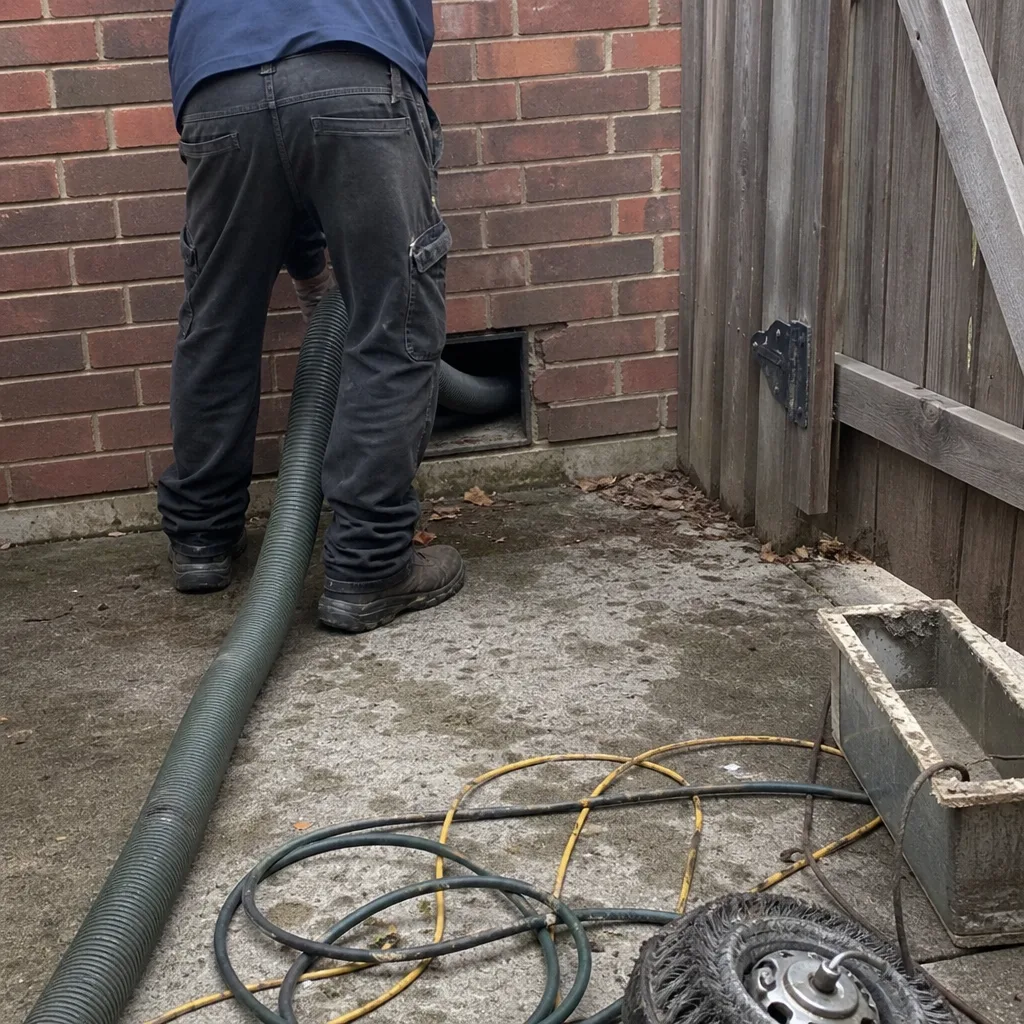 Before
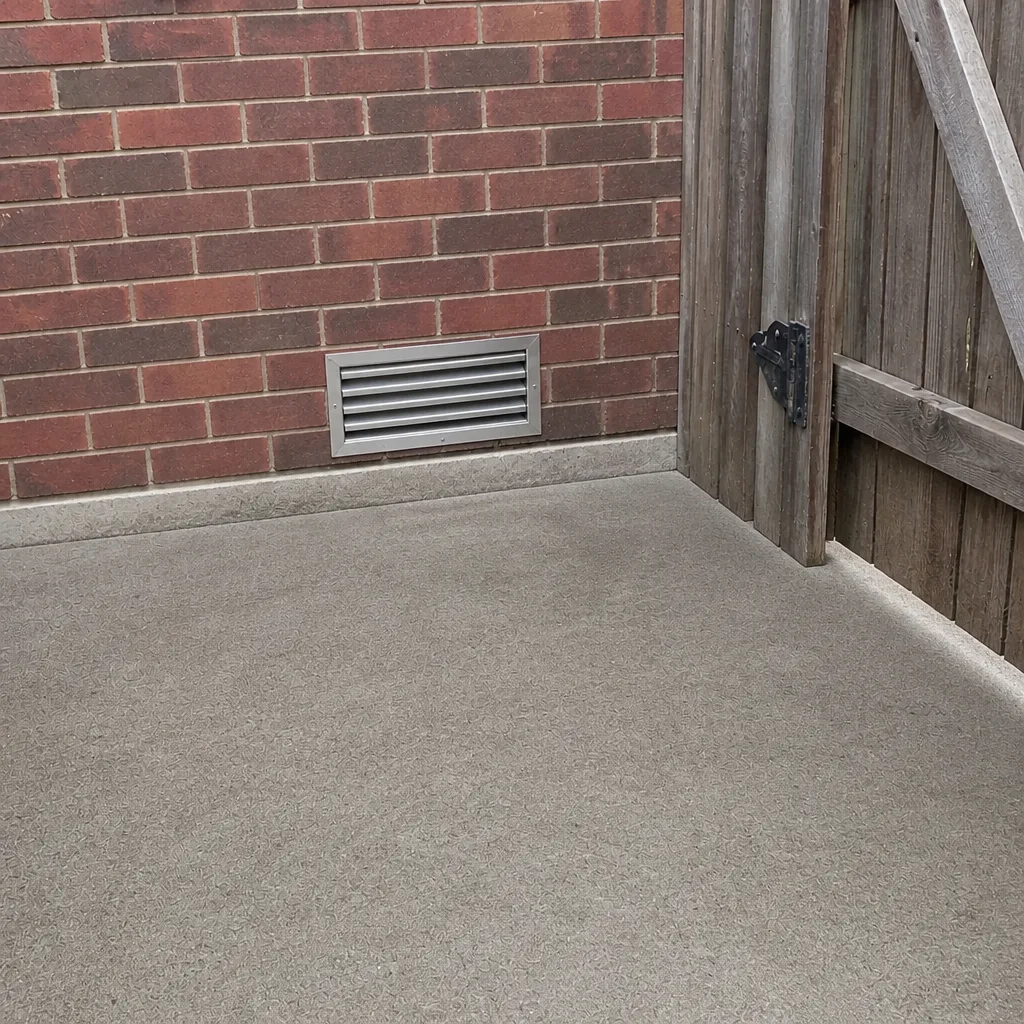 After
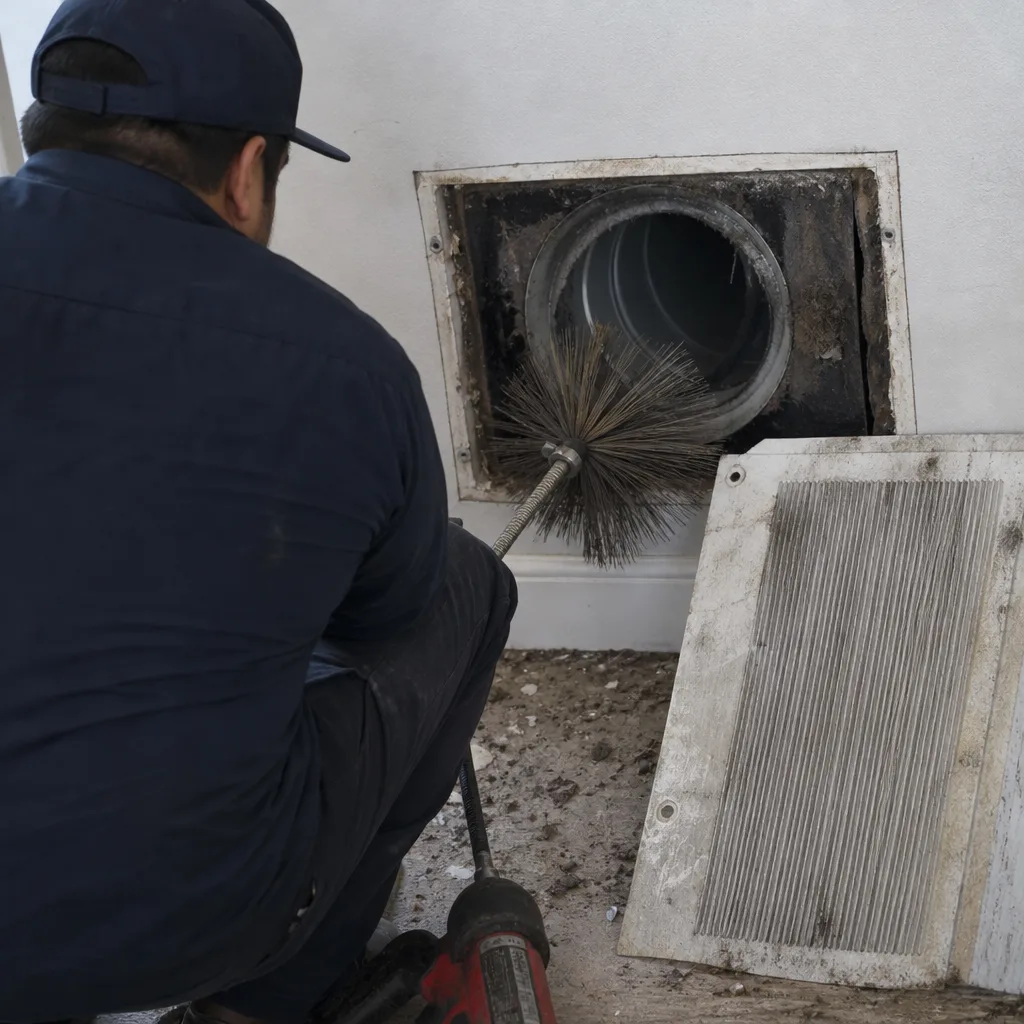 Before
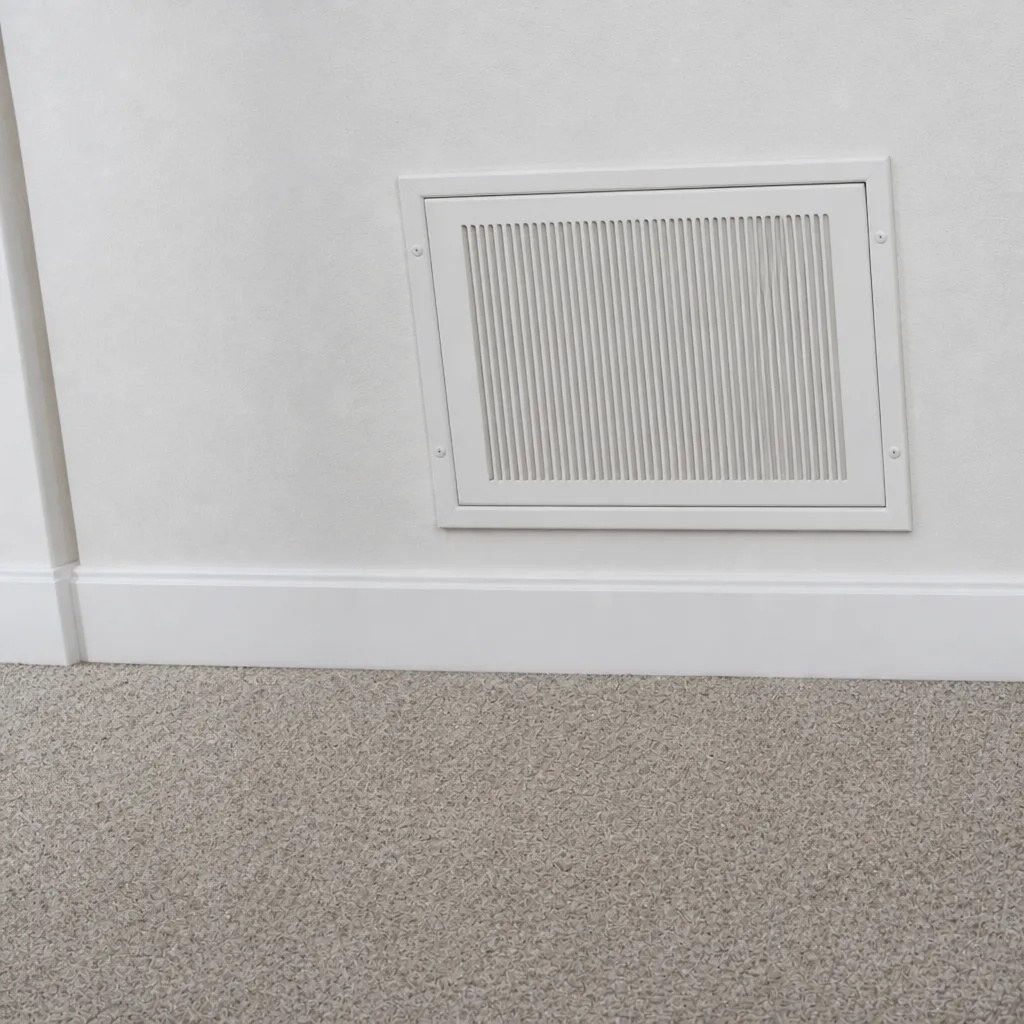 After
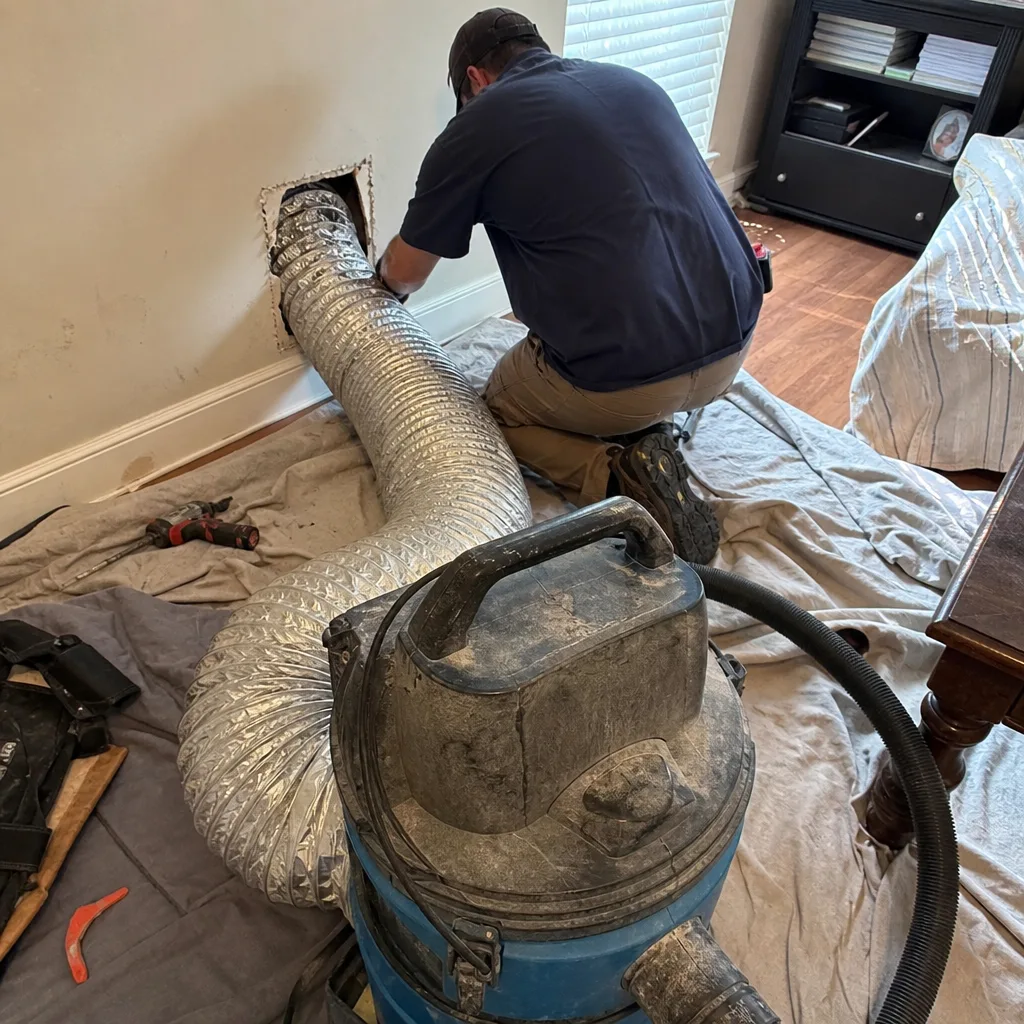 Before
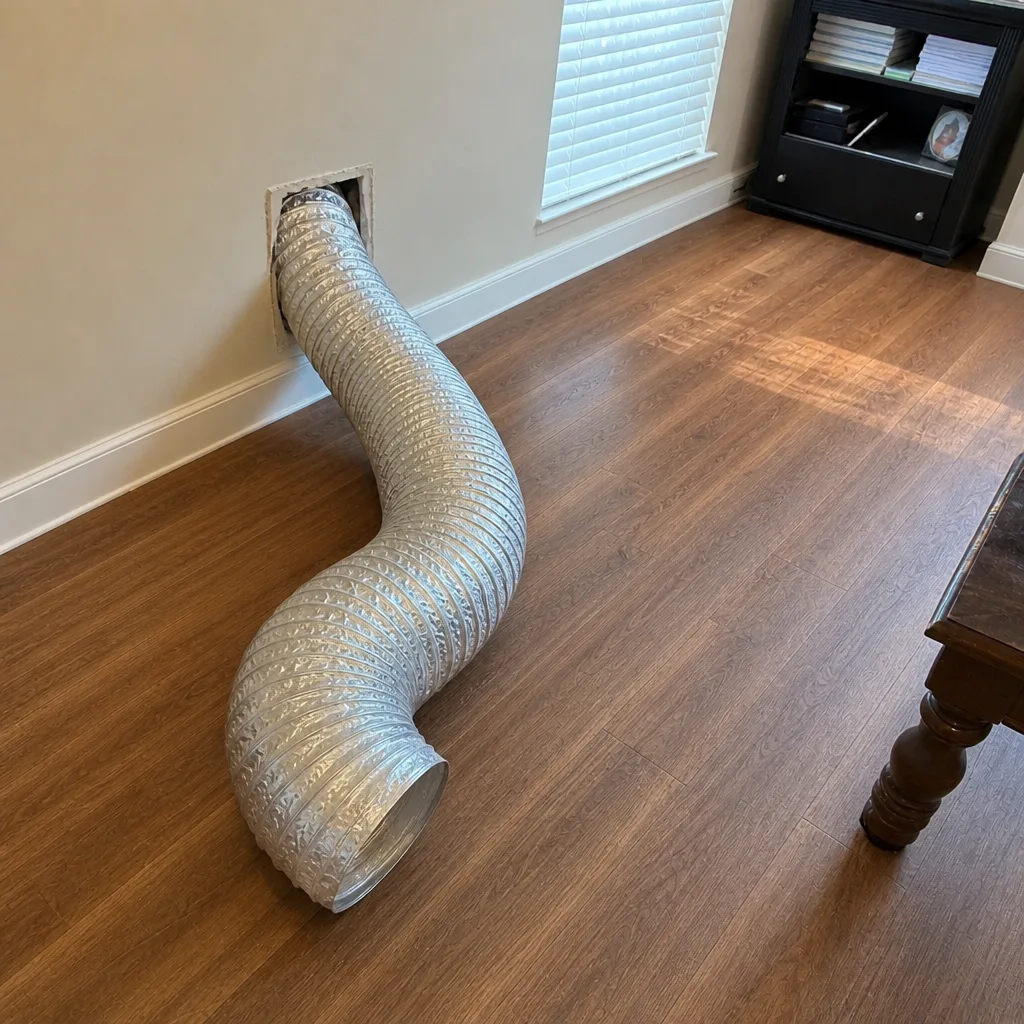 After
When to Call a Professional
Call a specialist when symptoms outpace what you can manage from a filter change. Persistent musty odor, uneven air flow between rooms, visible dust trails near supply registers, allergy flare-ups that line up with HVAC cycles, or a renovation in the last twelve months all point to an inspection. So does a moisture event, a new pet, or a system replacement. Those aren’t cosmetic annoyances; each is a reason to have someone with the right equipment look at the actual duct interior.
Duct Cleaning Richardson offers free estimates in Richardson, and we use professional-grade equipment on every job, including Abatement Technologies filtration units during service to protect indoor air while work is in progress. If duct repair turns out to be part of the answer, we handle that too. Call (877) 741-8677. We answer 24/7. Fast dispatch from 7am to 7pm, Sunday through Friday.
Frequently Asked Questions
Most Richardson homes need a professional cleaning every three to five years, with an inspection roughly every two years. The right interval depends on your filtration level, pets, renovation history, and whether you run windows open during pollen season. A home on MERV-13 runs tighter filtration, which usually means a slightly shorter interval, and a home with pets lands closer to the short end. Call (877) 741-8677 for an exact quote; estimates are free.
Yes. Cedar and tree pollen from late February through April is one of the two heaviest load windows of the year in North Texas. We recommend an inspection checkpoint in late April, right after the peak, so you can benchmark how much debris actually reached the return side. That’s more useful than guessing based on last cleaning date.
Yes. A MERV-13 filter catches finer particles and loads faster than a lower-rated filter, so the change interval should shorten. In practice, plan on every 30-45 days, and shorten further during the spring pollen peak. A loaded filter forces bypass air, which deposits debris deeper in the ducts. Call (877) 741-8677 if you want a duct inspection to check whether bypass has already occurred.
It can. Removing accumulated dust, pollen, and biological debris from the duct interior reduces what can re-enter the airstream each time the system runs. It’s not a substitute for a properly sized filter and good filter discipline, but the two together do more than either alone. If allergy symptoms flare during HVAC cycles, an inspection is worth scheduling.
Signs include dust trails near supply registers, uneven airflow between rooms, and visible gaps at joints in the attic. A specialist should check the duct interior visibly and confirm seal integrity before or during cleaning. If a run is disconnected or a joint is failing, cleaning alone won’t hold; it needs to be sealed and repaired. We handle both, and the repair isn’t subcontracted.
Yes. Monthly filter replacement, regular return-grille vacuuming, annual visual checks of the attic runs, and shutting windows during peak pollen season all reduce how fast the system loads. The combination typically stretches the interval by a meaningful margin. Call (877) 741-8677 for an exact quote on the inspection that establishes your current baseline; estimates are free.
The Bottom Line
A single “every three to five years” rule is a starting point, but it ignores what actually drives duct loading in Richardson. The right maintenance calendar anchors inspection to the two allergens seasons, adjusts for filtration level, and resets entirely for renovations, pets, moisture events, or system replacements. A home that covers both checkpoints each year and documents duct condition builds a real benchmark. A home that runs the calendar mechanically doesn’t. The goal isn’t more cleanings; it’s the right cleanings, timed to what the ducts actually show. Once you’ve got two comparison points, the schedule stops being advice and starts being evidence.
Written by the team at Duct Cleaning Richardson.